
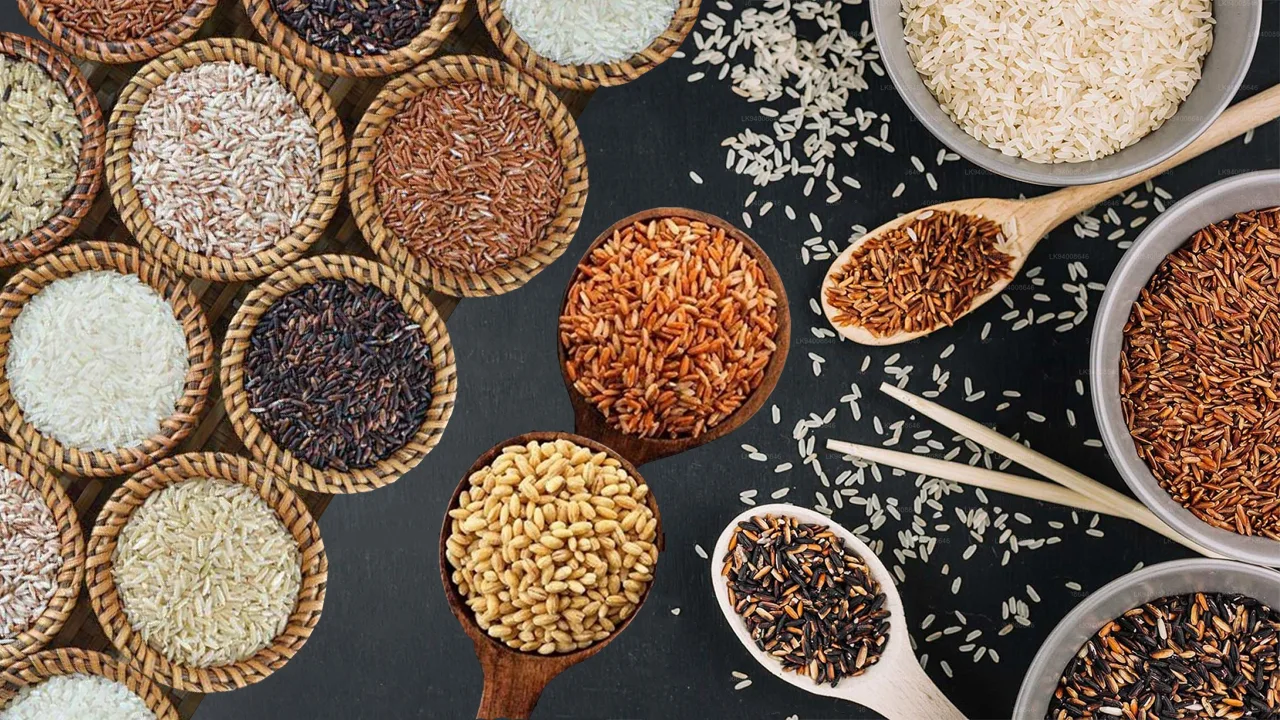
Sri Lankan rice varieties play an essential role in the country’s food culture. From everyday rice-and-curry meals to traditional celebrations and special occasions, rice is one of the most important ingredients in Sri Lankan cuisine.
However, not all rice is the same.
Walk into a Sri Lankan supermarket, grocery shop or traditional restaurant, and you may encounter several varieties, including Samba, Nadu, Keeri Samba, red rice and traditional heritage rice.
Each variety has different characteristics, including grain size, texture, aroma, cooking behavior and nutritional composition.
Some are particularly suitable for everyday rice and curry, while others are preferred for biryani, fried rice or festive dishes.
Understanding these differences can help you choose the right rice for cooking at home or ordering food at a restaurant.
In this complete guide, we explore the most common Sri Lankan rice varieties, their differences, traditional uses, nutritional considerations and the dishes they complement best.
1. Samba Rice
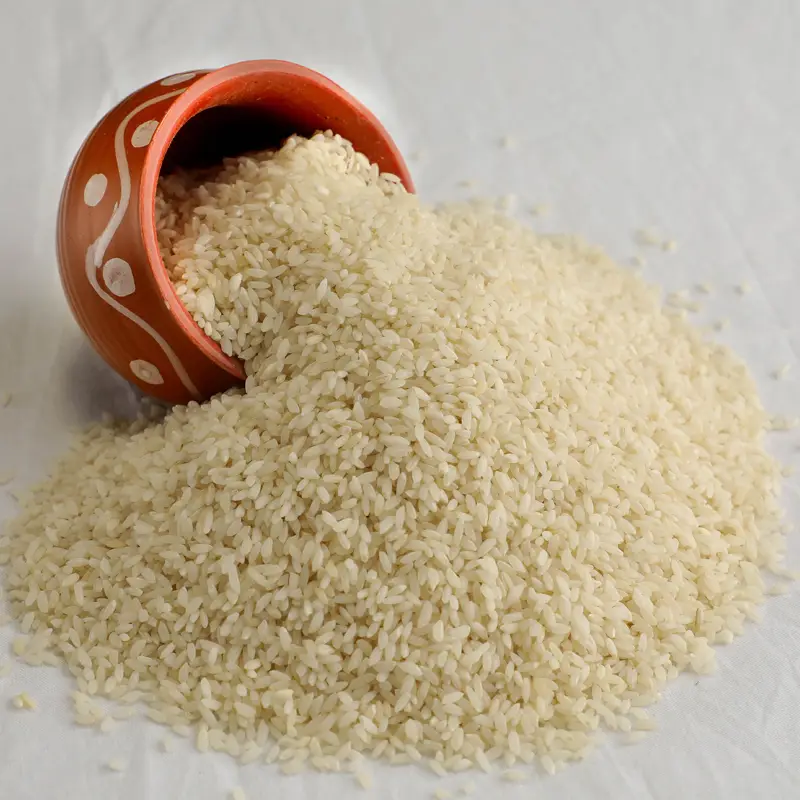
Samba is one of the most familiar rice categories in Sri Lanka.
It is generally recognized for its relatively short, rounded grains compared with longer-grain rice types.
Samba is commonly served with traditional Sri Lankan curries.
What Does Samba Rice Taste Like?
Cooked Samba rice typically has a firm but tender texture.
Its exact texture depends on the specific variety, processing method and amount of water used during cooking.
Best Dishes for Samba Rice
- Traditional rice and curry
- Fish curry
- Chicken curry
- Dhal curry
- Vegetable curries
- Festive rice dishes
Why Is Samba Popular?
Samba is widely used because it complements traditional Sri Lankan meals and is available in different processed forms.
2. Nadu Rice
Nadu is another common rice category in Sri Lanka.
It is frequently used for everyday meals in homes, restaurants and food establishments.
Nadu rice is often associated with a longer, less rounded grain shape than Samba.
What Does Nadu Rice Taste Like?
Cooked Nadu rice generally has a familiar rice flavor and a texture suitable for serving with curries.
Its firmness and stickiness vary with the rice variety and cooking method.
Best Dishes for Nadu Rice
- Everyday rice and curry
- Vegetable rice
- Chicken curry meals
- Fish curry meals
- Some fried rice preparations
Why Choose Nadu?
Nadu is a practical option for everyday meals and is commonly available in Sri Lankan markets.
3. Keeri Samba Rice
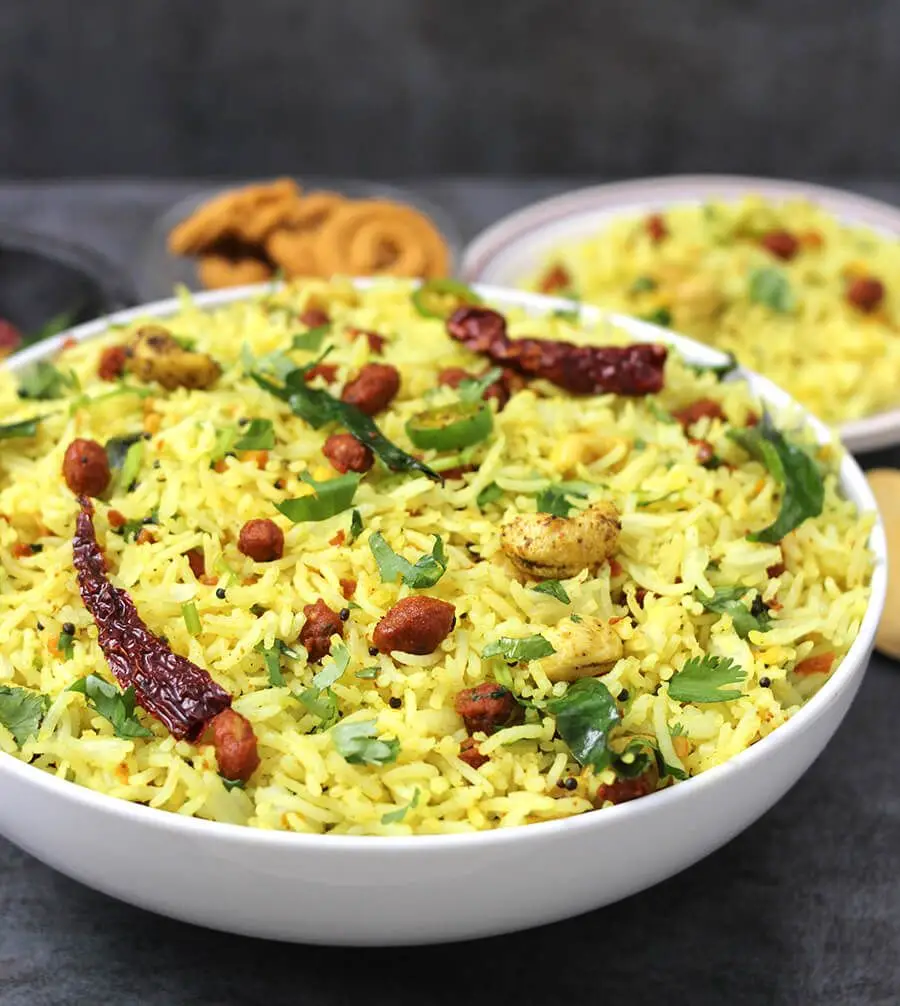
Keeri Samba is a premium rice variety particularly associated with special meals.
It is known for its small grains and characteristic aroma.
Keeri Samba is frequently used in Sri Lankan biryani and other festive rice dishes.
What Makes Keeri Samba Special?
Its distinctive fragrance and cooking characteristics make it desirable for certain preparations.
The grains can absorb flavors from spices, meat and other ingredients.
Best Dishes for Keeri Samba
- Chicken biryani
- Mutton biryani
- Special fried rice
- Festive rice preparations
- Traditional celebratory meals
Is Keeri Samba Better Than Ordinary Samba?
Not necessarily.
Keeri Samba is often preferred for its aroma and suitability for particular dishes, but ordinary Samba and Nadu are excellent choices for everyday meals.
The best option depends on the dish being prepared.
4. Sri Lankan Red Rice
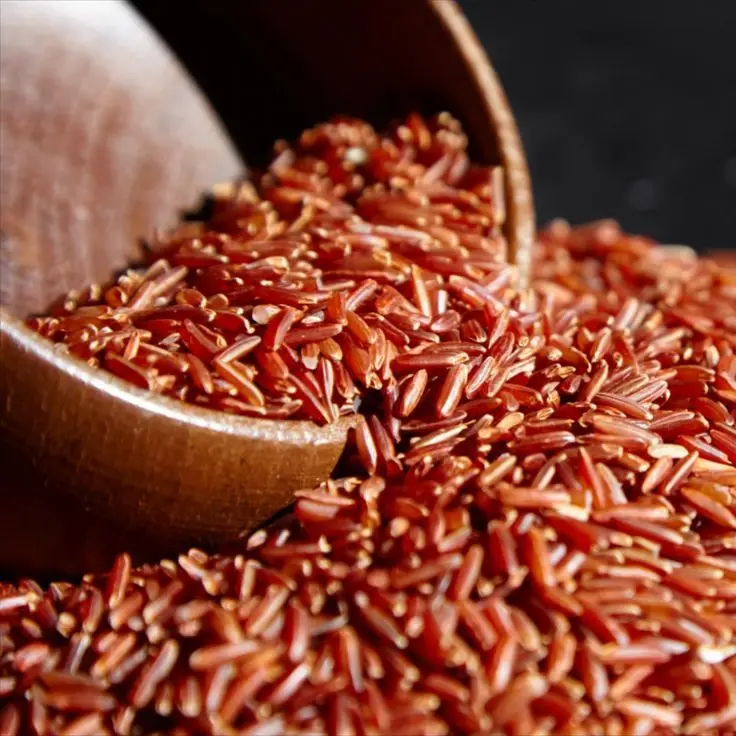
Red rice is widely eaten in Sri Lanka, especially as part of traditional home-style meals.
Its reddish or brownish-red appearance comes from pigments in the outer grain layers.
Red rice is available in different varieties and processing forms.
What Does Red Rice Taste Like?
Red rice often has a more pronounced, nutty flavor than highly polished white rice.
Depending on the variety and preparation, it can also have a firmer or chewier texture.
Best Dishes for Red Rice
- Traditional rice and curry
- Dhal curry
- Fish ambul thiyal
- Jackfruit curry
- Leafy vegetable dishes
- Coconut sambol
Is Red Rice Healthy?
Less-polished red rice can retain more fiber and certain nutrients than highly polished white rice.
However, nutritional content depends on the specific variety, degree of milling and cooking method.
Red rice is not automatically healthier in every nutritional respect.
5. White Rice
White rice is commonly served in Sri Lankan restaurants and homes.
It refers to rice that has undergone milling to remove the bran and germ.
Different rice varieties can be processed into white rice.
Why Is White Rice Popular?
White rice is familiar, versatile and generally has a softer texture than comparable less-polished rice.
It is commonly used for:
- Rice and curry
- Fried rice
- Yellow rice
- Biriyani
- Other rice-based meals
Is White Rice Unhealthy?
White rice can be part of a balanced diet.
However, it generally contains less fiber than comparable whole-grain rice.
Portion size and the other foods included in the meal also matter.
6. Parboiled Rice
Parboiled rice is not a separate botanical rice variety.
Instead, it refers to rice that undergoes a processing method involving soaking, heating and drying before milling.
This process changes some of the grain’s cooking and nutritional characteristics.
What Makes Parboiled Rice Different?
Parboiled rice often cooks into relatively firm grains.
The process can also affect how nutrients are distributed within the grain.
Best Uses
Parboiled rice is commonly used for everyday rice-and-curry meals.
It can be a practical option for preparing larger quantities of rice.
7. Suwandel Rice
Suwandel is a traditional Sri Lankan rice variety recognized for its distinctive aroma.
It is often associated with heritage rice cultivation and traditional food culture.
What Makes Suwandel Special?
Suwandel is valued for its fragrance and its place among Sri Lanka’s traditional rice varieties.
How Is It Used?
It can be served with traditional curries or prepared for special meals.
Cooking requirements may differ from those of common commercial rice varieties.
8. Kalu Heenati Rice
Kalu Heenati is another traditional Sri Lankan rice variety.
It is commonly discussed in connection with heritage agriculture and the preservation of traditional rice cultivation.
Why Is It Important?
Kalu Heenati represents part of Sri Lanka’s agricultural biodiversity.
Traditional rice varieties help preserve genetic diversity and local farming knowledge.
How Is It Eaten?
It can be prepared as a regular rice meal and served with vegetable or meat curries.
9. Pachchaperumal Rice
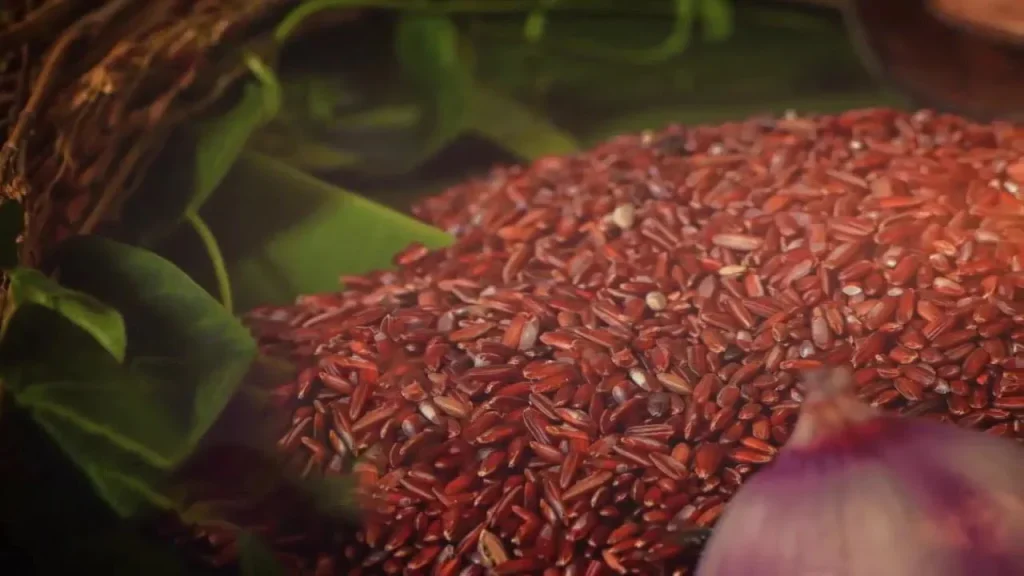
Pachchaperumal is a traditional Sri Lankan rice variety, often associated with reddish-colored grains.
It is among the heritage varieties receiving interest from consumers who want to explore traditional foods.
Best Accompaniments
- Dhal curry
- Vegetable curries
- Fish curry
- Coconut sambol
What Should Buyers Know?
Heritage rice varieties may require different cooking times and water ratios.
Always follow reliable preparation instructions for the specific product.
10. Kuruluthuda Rice
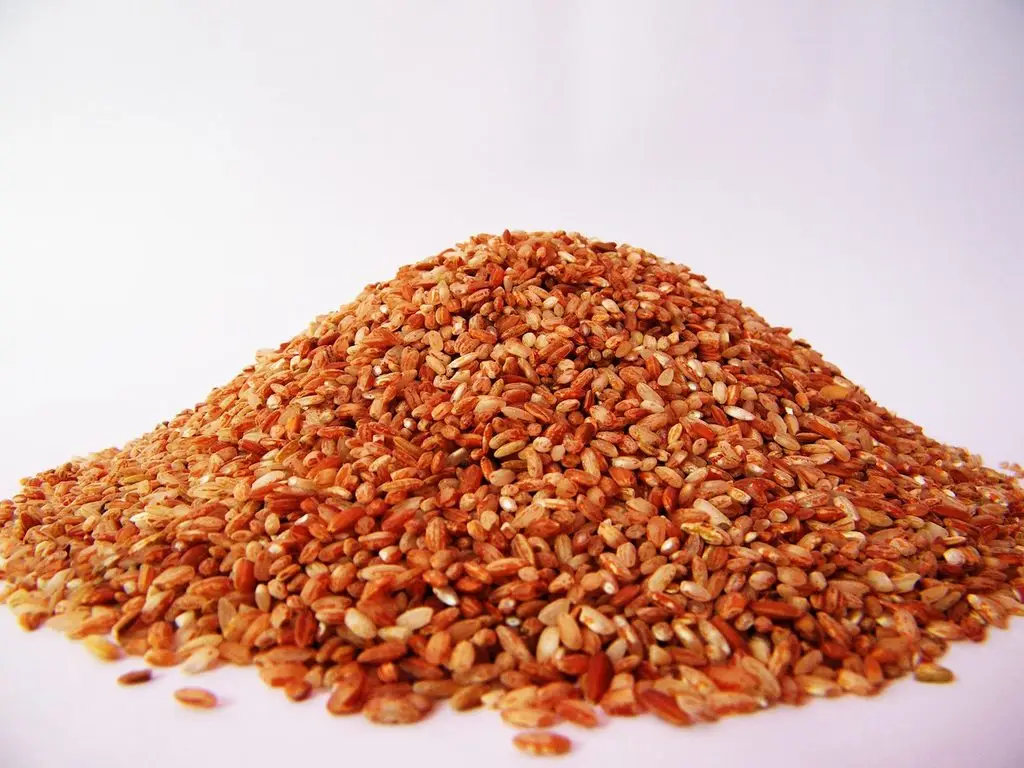
Kuruluthuda is another traditional Sri Lankan rice variety.
It is sometimes marketed as a specialty or heritage rice.
Why Try It?
Kuruluthuda offers an opportunity to explore rice varieties beyond the most common commercial categories.
Its cooking characteristics may differ from Samba or Nadu.
Best Uses
It can be enjoyed as part of a traditional rice-and-curry meal.
Sri Lankan Rice Varieties Comparison Table
The following table summarizes some of the main differences.
| Rice Type | General Characteristics | Common Uses |
|---|---|---|
| Samba | Short, relatively rounded grains | Rice and curry |
| Nadu | Generally longer grains than Samba | Everyday meals |
| Keeri Samba | Small, aromatic grains | Biryani, special meals |
| Red Rice | Colored outer grain layers | Traditional rice and curry |
| White Rice | Polished rice | Everyday meals, fried rice |
| Parboiled Rice | Heat-treated before milling | Everyday rice and curry |
| Suwandel | Traditional aromatic variety | Heritage and special meals |
| Kalu Heenati | Traditional heritage variety | Rice and curry |
| Pachchaperumal | Traditional variety with reddish grains | Traditional meals |
| Kuruluthuda | Traditional heritage variety | Rice and curry |
Important: Some names describe rice varieties or market categories, while others describe processing methods. For example, white rice and parboiled rice are not mutually exclusive categories.
Samba Rice vs Nadu Rice: What Is the Difference?
Samba and Nadu are two of the most commonly encountered rice categories in Sri Lanka.
Although both are suitable for traditional meals, they differ in several ways.
Grain Shape
Samba generally has shorter and rounder grains.
Nadu generally has comparatively longer grains.
Texture
The cooked texture depends on the variety, milling and preparation method.
Restaurant Use
Both are widely used for rice-and-curry meals.
Which Is Better?
Neither is universally better.
Some diners prefer the grain shape and texture of Samba, while others prefer Nadu.
For everyday meals, personal preference and cooking style are the most important considerations.
Keeri Samba vs Basmati Rice
Keeri Samba and Basmati are both used in aromatic rice dishes, but they are different types of rice.
Grain Size
Keeri Samba has relatively small grains.
Basmati is known for its long, slender grains.
Aroma
Both can be aromatic, although their fragrance profiles differ.
Cooking Uses
Keeri Samba is popular in Sri Lankan-style biryani.
Basmati is widely used in South Asian biryani and other rice preparations.
Which Is Better for Biryani?
Both can produce excellent biryani.
The choice depends on the desired texture, aroma and regional cooking tradition.
Which Sri Lankan Rice Is Best for Rice and Curry?
Traditional Sri Lankan rice and curry can be prepared using several rice varieties.
For Everyday Meals
Samba and Nadu are practical choices.
For a More Distinctive Flavor
Red rice can add a nuttier flavor and firmer texture.
For Special Occasions
Keeri Samba may be chosen when a fragrant rice preparation is desired.
For Traditional Food Experiences
Heritage varieties such as Suwandel or Kalu Heenati can provide a different dining experience.
The best rice depends on the curries being served and individual preferences.
Which Rice Is Best for Sri Lankan Fried Rice?
Fried rice generally works best when the cooked grains are separate rather than excessively soft or sticky.
Different rice varieties can be used successfully.
Popular Options
- Basmati rice
- Suitable long-grain rice
- Nadu rice
- Keeri Samba for certain preparations
Cooking Tip
Cooked rice that has been cooled promptly and refrigerated safely can work well for fried rice.
Do not leave cooked rice at room temperature for extended periods because it can support the growth of foodborne bacteria.
Which Rice Is Best for Sri Lankan Biryani?
Biryani is a popular dish in Sri Lanka, particularly for celebrations and special meals.
Two commonly used options are Keeri Samba and Basmati.
Keeri Samba
Produces a distinctive Sri Lankan-style biryani with small aromatic grains.
Basmati
Produces a biryani with longer, slender grains.
Which Should You Choose?
Choose Keeri Samba if you prefer a traditional Sri Lankan-style preparation.
Choose Basmati if you prefer long-grain biryani.
Both are suitable when prepared correctly.
Is Red Rice Better Than White Rice?
Red rice and white rice have different nutritional characteristics.
Less-polished red rice generally retains more of the grain’s outer layers, which may provide additional fiber and nutrients.
White rice is more heavily milled and often has a softer texture.
However, the nutritional value of a meal depends on more than the type of rice.
A balanced rice-and-curry meal may include:
- Rice
- Lentils
- Vegetables
- Leafy greens
- Fish, eggs or another protein
- Appropriate portions of fats and sauces
People managing blood glucose or other medical conditions should consider portion size, preparation method and individual dietary advice rather than assuming one rice variety has a guaranteed health effect.
Traditional Sri Lankan Rice Varieties and Food Culture
Rice has an important place in Sri Lankan agriculture, religion and celebrations.
Traditional rice varieties represent generations of farming knowledge and local adaptation.
Some varieties have become less common with the expansion of commercial rice cultivation.
However, interest in heritage rice has encouraged continued cultivation and preservation efforts.
These varieties contribute to Sri Lanka’s agricultural diversity and culinary identity.
How to Cook Sri Lankan Rice Properly
Different rice varieties require different cooking methods.
The following general principles can help.
1. Wash the Rice
Rinse the rice according to the preparation instructions and desired cooking method.
2. Measure the Water
Use the recommended water ratio for the specific rice variety.
3. Adjust Cooking Time
Brown, red and some heritage rice varieties may require longer cooking than highly polished white rice.
4. Avoid Excessive Stirring
Stirring too frequently can damage the grains and change the texture.
5. Allow the Rice to Rest
A short resting period after cooking can help moisture distribute more evenly.
6. Store Cooked Rice Safely
Refrigerate leftovers promptly in shallow containers and reheat thoroughly.
Cooked rice should not be left at room temperature for long periods.
How to Choose Rice at a Sri Lankan Restaurant
When ordering a rice-and-curry meal, some restaurants may offer a choice between white rice and red rice.
Other restaurants may serve only one type.
Questions Worth Asking
- Is white rice or red rice available?
- What type of rice is used for the biryani?
- Is the rice freshly prepared?
- Are extra rice portions available?
- Does the meal include vegetable curries?
If you want to experience different Sri Lankan rice varieties, traditional restaurants and regional food establishments can be good places to start.
Frequently Asked Questions
What are the most common Sri Lankan rice varieties?
Samba, Nadu, Keeri Samba and different types of red rice are among the commonly encountered rice categories in Sri Lanka.
What is the difference between Samba and Nadu rice?
Samba generally has shorter, rounder grains, while Nadu generally has longer grains. Both are widely used for everyday rice-and-curry meals.
Is Keeri Samba good for biryani?
Yes. Keeri Samba is popular for Sri Lankan-style biryani because of its small aromatic grains.
Is red rice healthier than white rice?
Less-polished red rice can contain more fiber and certain nutrients than highly polished white rice. However, the overall nutritional value depends on the variety, processing and meal composition.
What is Suwandel rice?
Suwandel is a traditional Sri Lankan aromatic rice variety associated with heritage rice cultivation.
What rice is used in Sri Lankan restaurants?
Many restaurants use Samba, Nadu or other commonly available rice varieties. Some offer red rice, while biryani restaurants may use Keeri Samba or Basmati.
Can Nadu rice be used for fried rice?
Yes. Nadu rice can be used for fried rice when cooked to an appropriate texture.
What is the best rice for Sri Lankan curry?
Samba, Nadu and red rice all work well with Sri Lankan curries. The best choice depends on personal preference.
Are traditional Sri Lankan rice varieties expensive?
Some heritage rice varieties can cost more than common commercial rice because of differences in cultivation, supply and market demand.
Is parboiled rice the same as red rice?
No. Parboiling is a processing method, while red rice refers to the color of the grain’s outer layers. Red rice can also be parboiled.
Final Thoughts
Sri Lankan rice varieties offer much more diversity than many people realize.
From everyday Samba and Nadu to aromatic Keeri Samba and traditional heritage varieties, each type has characteristics that make it suitable for different meals.
Samba and Nadu are familiar choices for rice and curry, while Keeri Samba is especially popular for biryani and festive dishes.
Red rice provides a distinctive flavor and texture, while traditional varieties such as Suwandel, Kalu Heenati and Pachchaperumal reflect Sri Lanka’s agricultural heritage.
Understanding these differences can help you make better choices when cooking at home, shopping for rice or exploring traditional Sri Lankan restaurants.
For more Sri Lankan restaurant menus, traditional food guides, dining recommendations and food information, visit Menueka.com.