
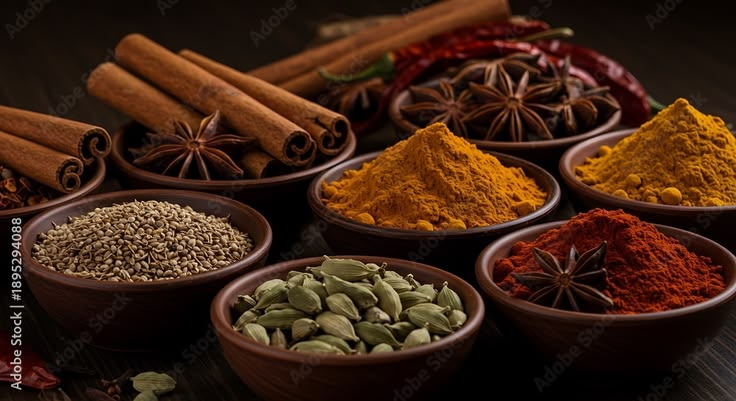
Sri Lankan spices are at the heart of the island’s rich and distinctive food culture. From aromatic rice-and-curry meals to spicy seafood dishes and traditional sweets, spices help create the flavors that make Sri Lankan cuisine so memorable.
Sri Lanka has a long history of spice cultivation and trade. Ceylon cinnamon, black pepper, cloves, cardamom, and other aromatic ingredients have influenced local cooking for generations.
However, Sri Lankan cuisine is not simply about making food hot. Traditional cooking combines spices to create layers of flavor, including sweetness, warmth, bitterness, acidity, and aroma.
Some spices are roasted before grinding, while others are added whole to hot oil or simmered slowly in coconut milk.
Understanding how these ingredients work can help visitors appreciate Sri Lankan food and help home cooks prepare more authentic dishes.
In this guide, we explore 15 essential Sri Lankan spices and aromatic ingredients, their flavors, traditional uses, and the dishes in which they commonly appear.
1. Ceylon Cinnamon – Kurundu
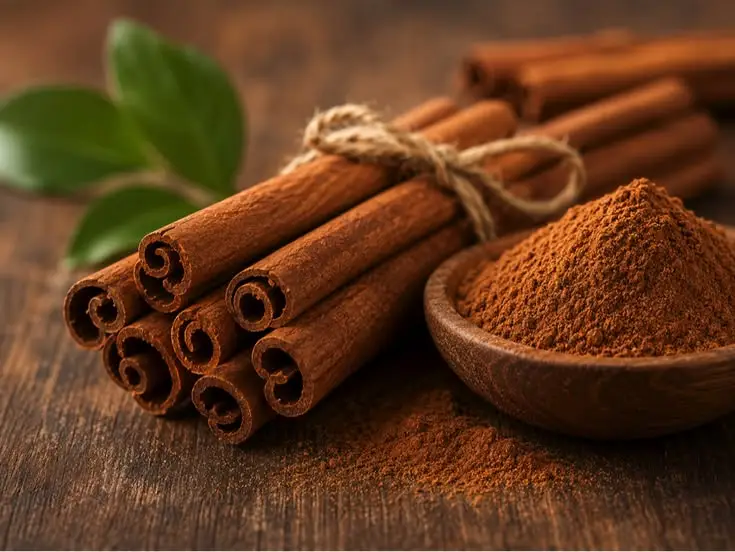
Ceylon cinnamon is one of Sri Lanka’s most internationally recognized spices.
It comes from the inner bark of the Cinnamomum verum tree and is commonly known as true cinnamon.
What Does Ceylon Cinnamon Taste Like?
Ceylon cinnamon has a delicate, sweet, and warm flavor.
Compared with some cassia cinnamon varieties, its taste is generally lighter and less harsh.
Common Uses in Sri Lankan Cooking
- Chicken curry
- Beef curry
- Biryani
- Yellow rice
- Watalappan
- Traditional sweets
- Spiced tea
Cinnamon is used in both savory and sweet dishes.
Cooking Tip
Add a small piece of cinnamon bark when preparing a curry to develop a warm aroma without overpowering the other ingredients.
2. Black Pepper – Gammiris
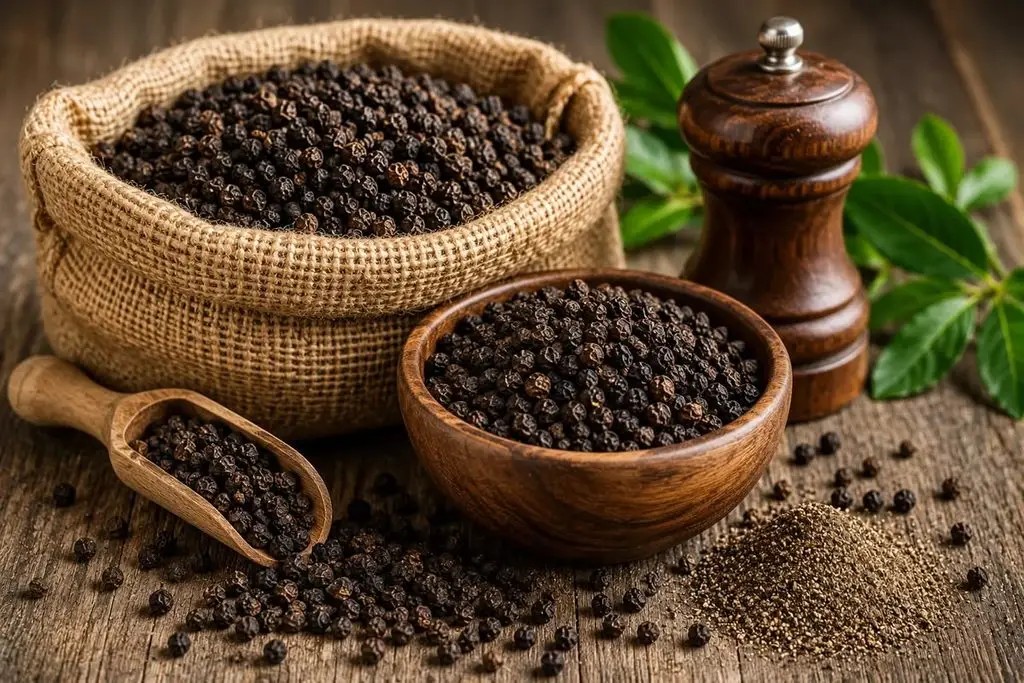
Black pepper is an important spice in traditional Sri Lankan cooking.
It was historically a valuable agricultural product and remains widely used in curries and spice mixtures.
Flavor Profile
Black pepper creates a sharp, warming sensation that differs from chili heat.
Popular Uses
- Fish ambul thiyal
- Chicken curry
- Meat curry
- Pepper-based stir-fries
- Roasted curry powder
Why Is Black Pepper Important?
Black pepper contributes both heat and aroma.
In some traditional dishes, pepper plays a more prominent role than chili.
3. Cardamom – Enasal
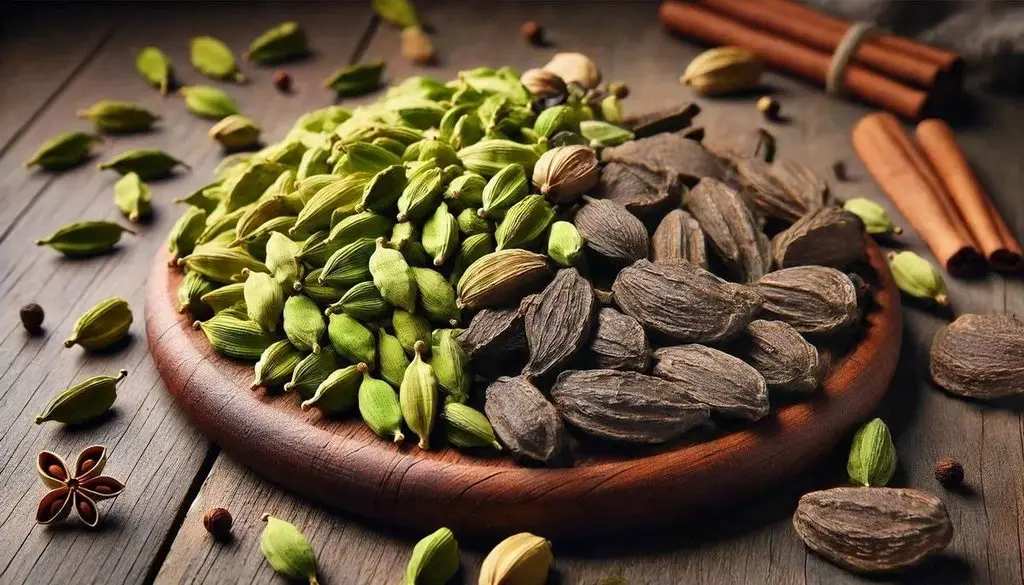
Cardamom is a highly aromatic spice commonly used in Sri Lankan rice dishes, curries, and desserts.
The small pods contain fragrant seeds.
What Does Cardamom Taste Like?
Cardamom has a sweet, floral, and slightly citrus-like aroma.
Common Uses
- Biryani
- Yellow rice
- Chicken curry
- Watalappan
- Milk tea
- Traditional sweets
Cooking Tip
Lightly crush cardamom pods before adding them to rice or curry to release their aroma.
Use them sparingly because their flavor can become dominant.
4. Cloves – Karabu Nati
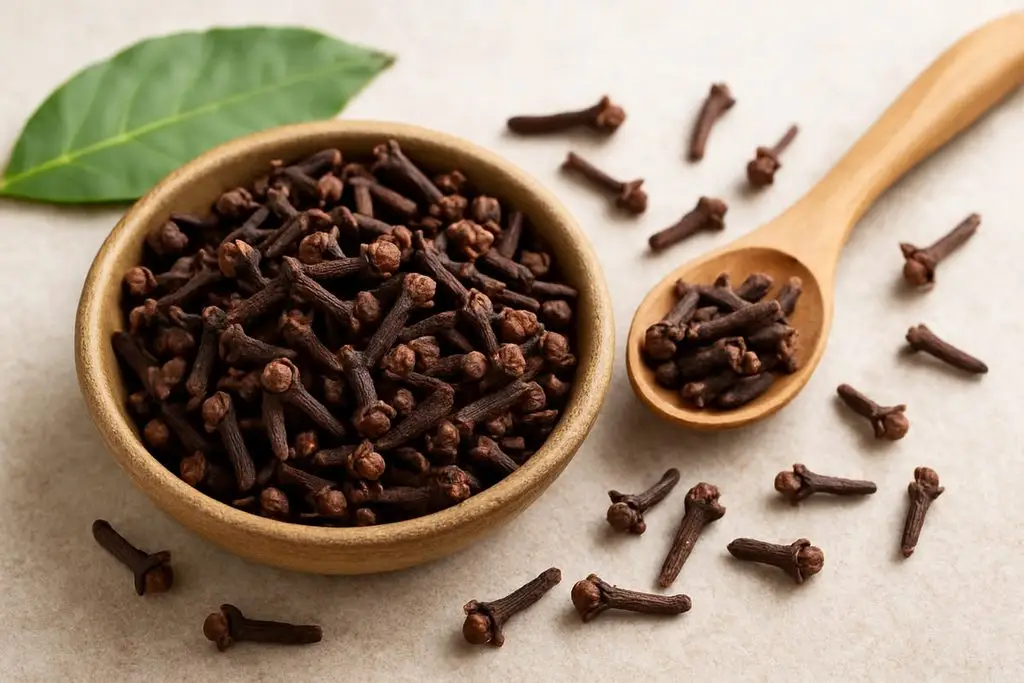
Cloves are dried flower buds with a powerful aroma.
They are widely used in Sri Lankan cooking, particularly in rice dishes and meat curries.
Flavor Profile
Cloves have a strong, warm, slightly sweet flavor.
Popular Uses
- Biryani
- Yellow rice
- Meat curry
- Curry powder
- Spiced beverages
Cooking Tip
A small number of whole cloves is usually sufficient for a family-sized dish.
Too many cloves can make food taste bitter or excessively medicinal.
5. Turmeric – Kaha
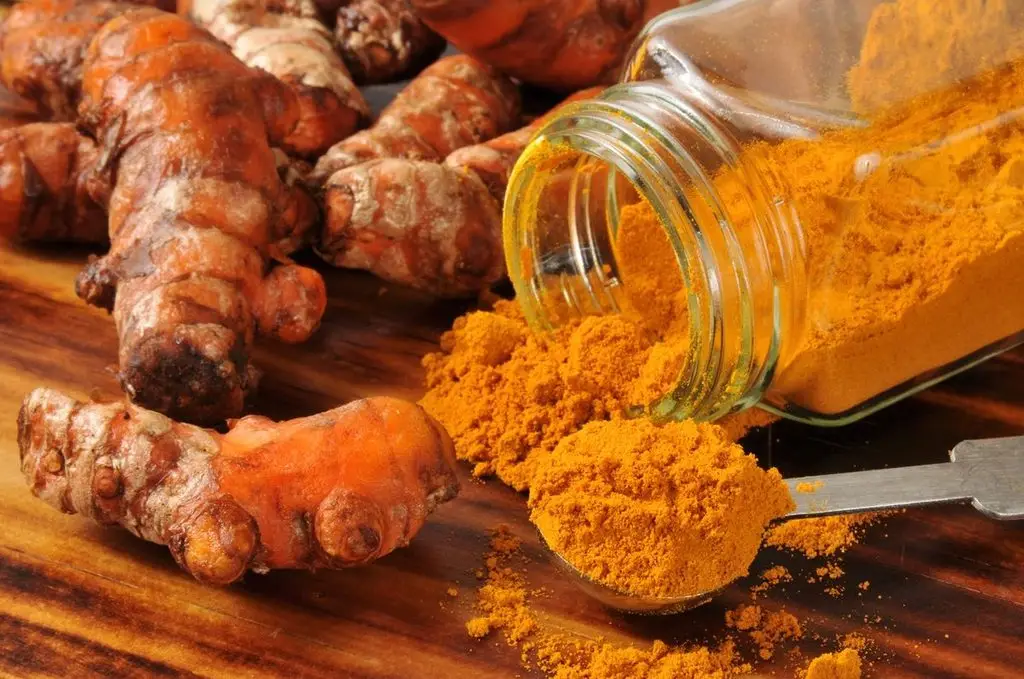
Turmeric is one of the most recognizable ingredients in Sri Lankan cuisine.
It gives many curries their characteristic golden-yellow color.
Flavor Profile
Turmeric has a mildly earthy and slightly bitter flavor.
Common Uses
- Dhal curry
- Potato curry
- Fish curry
- Vegetable curry
- Yellow rice
- Coconut-based gravies
Why Is Turmeric Popular?
Turmeric contributes color and flavor to many traditional preparations.
It is often combined with chili, curry leaves, coconut milk, and other seasonings.
Cooking Tip
Use turmeric in moderate amounts. Excessive quantities can create an unpleasant bitter taste.
6. Coriander Seeds – Kottamalli
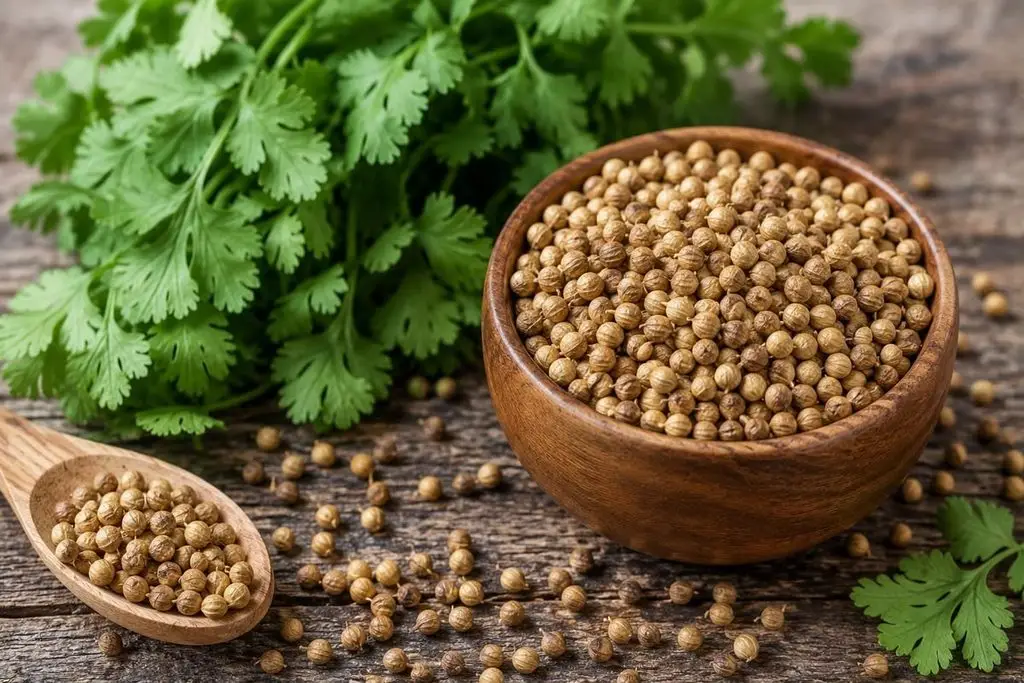
Coriander seeds are an essential component of many Sri Lankan curry powder mixtures.
They have a warm, slightly citrus-like flavor.
Common Uses
- Unroasted curry powder
- Roasted curry powder
- Chicken curry
- Fish curry
- Vegetable curry
Why Are Coriander Seeds Important?
Coriander often provides the foundation for a balanced curry powder.
It complements stronger spices such as cloves, pepper, and cinnamon.
Cooking Tip
Lightly roasting coriander seeds before grinding can deepen their flavor.
7. Cumin Seeds – Suduru
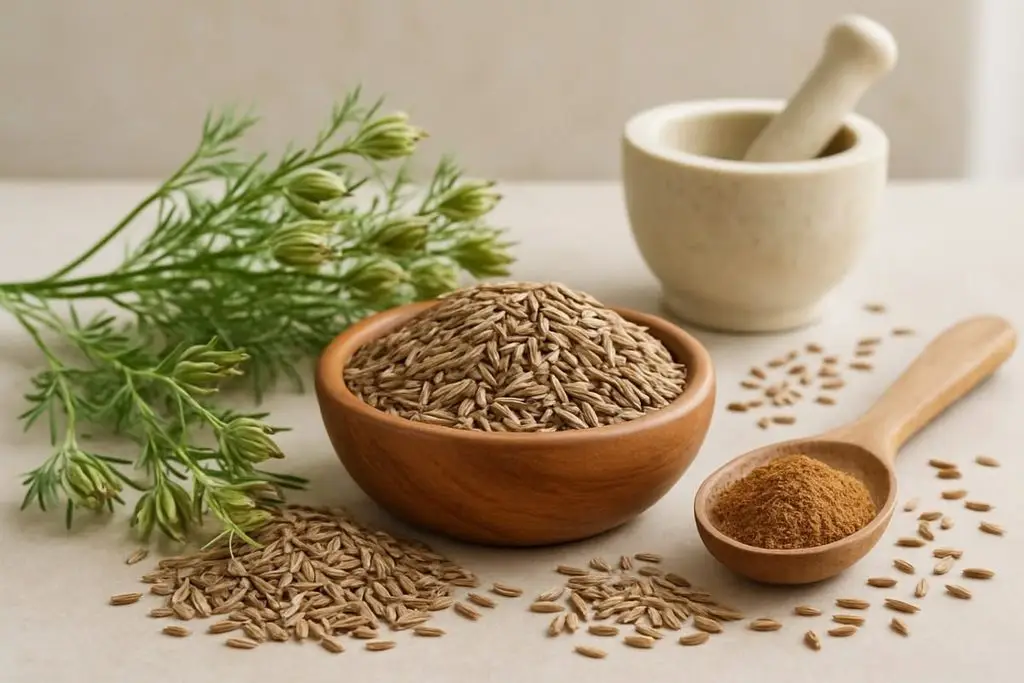
Cumin is widely used in Sri Lankan spice mixtures.
It has a warm, earthy, and slightly nutty flavor.
Popular Uses
- Curry powder
- Meat curry
- Vegetable curry
- Dhal preparations
- Certain rice dishes
What Makes Cumin Special?
Cumin adds depth to savory dishes.
It is often combined with coriander and fennel to create a balanced spice mixture.
8. Fennel Seeds – Maduru
Fennel seeds have a sweet, aromatic flavor that resembles anise.
They are commonly used in Sri Lankan curry powder.
Common Uses
- Chicken curry
- Fish curry
- Meat curry
- Roasted curry powder
- Some vegetable dishes
Why Use Fennel?
Fennel helps balance stronger spices.
Its natural sweetness complements chili, pepper, and roasted coriander.
9. Mustard Seeds – Aba
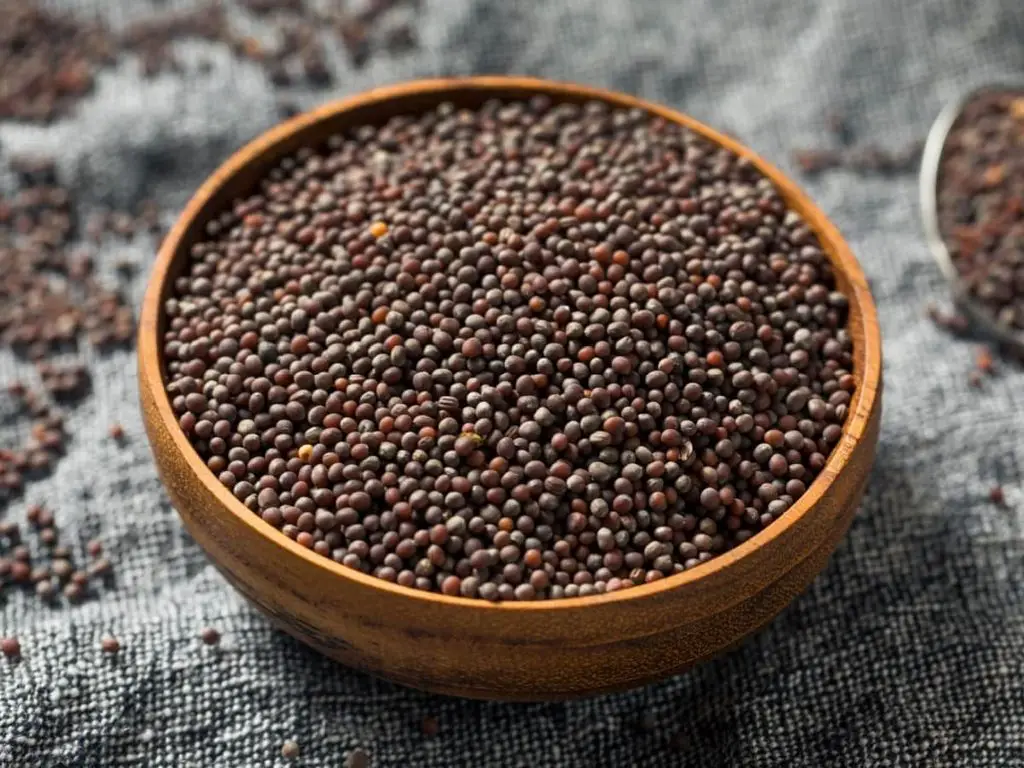
Mustard seeds are frequently used when tempering Sri Lankan curries and vegetable dishes.
Tempering involves heating spices in oil to release their flavors.
Flavor Profile
Mustard seeds develop a nutty, pungent aroma when heated.
Common Uses
- Dhal curry
- Potato curry
- Beetroot curry
- Vegetable stir-fries
- Pickles
Cooking Tip
Heat mustard seeds briefly in oil until they begin to pop.
Avoid burning them because burnt mustard seeds can create bitterness.
10. Fenugreek Seeds – Uluhal
Fenugreek is a traditional ingredient used in several Sri Lankan curries.
The seeds have a distinctive bitter, nutty flavor.
Common Uses
- Fish curry
- Coconut-milk-based curries
- Vegetable curries
- Certain traditional gravies
Why Is Fenugreek Used?
A small amount of fenugreek can add complexity to a curry.
However, excessive quantities may make the dish unpleasantly bitter.
Cooking Tip
Use fenugreek sparingly and follow the proportions in a reliable recipe.
11. Chili – Miris
Chili is one of the most important ingredients in modern Sri Lankan cooking.
It is used in fresh, dried, powdered, and flaked forms.
Common Chili Products
- Fresh green chili
- Dried red chili
- Chili powder
- Chili flakes
- Chili paste
Popular Uses
- Fish curry
- Chicken curry
- Pol sambol
- Lunu miris
- Kottu
- Devilled dishes
Is All Sri Lankan Food Spicy?
No.
Although chili is widely used, many Sri Lankan dishes are mild.
Coconut milk, rice, and certain vegetable curries can balance spicy preparations.
Cooking Tip
Adjust chili according to personal preference rather than assuming every traditional dish requires extreme heat.
12. Curry Leaves – Karapincha
Curry leaves are not technically a spice in the same sense as dried seeds or bark, but they are one of the most important aromatic ingredients in Sri Lankan cooking.
They are commonly added fresh to curries and tempered dishes.
Flavor Profile
Curry leaves provide a distinctive herbal, slightly citrus-like aroma.
Common Uses
- Dhal curry
- Chicken curry
- Fish curry
- Potato curry
- Vegetable curries
- Tempered rice
Cooking Tip
Add fresh curry leaves to hot oil with mustard seeds and onions to create an aromatic base.
Curry leaves should not be confused with commercial curry powder.
13. Pandan Leaves – Rampe
Pandan leaves are widely used in Sri Lankan cooking.
Like curry leaves, pandan is an aromatic leaf rather than a conventional dried spice.
Flavor Profile
Pandan has a pleasant, sweet, grassy fragrance.
Popular Uses
- Yellow rice
- Biryani
- Chicken curry
- Coconut-milk dishes
- Traditional desserts
Why Is Pandan Important?
Pandan contributes fragrance without necessarily adding heat.
It is particularly useful in rice dishes.
Cooking Tip
Tie a pandan leaf into a knot before adding it to rice or curry.
Remove the leaf before serving if preferred.
14. Goraka – Garcinia
Goraka is a traditional souring ingredient used in Sri Lankan cooking.
It comes from the dried fruit of Garcinia quaesita.
Flavor Profile
Goraka provides a strong sour flavor.
Famous Dish
One of its best-known uses is fish ambul thiyal, the traditional Sri Lankan sour fish curry.
Why Is Goraka Important?
Goraka adds acidity and contributes to the characteristic taste of certain fish preparations.
Cooking Tip
Use goraka carefully because too much can make a dish excessively sour.
15. Nutmeg – Sadikka
Nutmeg is an aromatic spice used in selected Sri Lankan savory and sweet preparations.
It has a warm, slightly sweet flavor.
Common Uses
- Some meat curries
- Certain spice mixtures
- Traditional sweets
- Desserts
- Spiced beverages
Why Use Nutmeg?
Nutmeg can add depth and warmth to a dish.
Cooking Tip
Use only small culinary amounts because nutmeg has a powerful flavor and excessive consumption can be harmful.
Sri Lankan Spices Comparison Table
| Spice or Ingredient | Main Flavor | Common Uses |
|---|---|---|
| Ceylon Cinnamon | Sweet, warm | Curry, rice, desserts |
| Black Pepper | Sharp, warming | Fish, meat curry |
| Cardamom | Floral, aromatic | Biryani, sweets |
| Cloves | Strong, warm | Rice, meat curry |
| Turmeric | Earthy, mild | Dhal, vegetable curry |
| Coriander | Warm, citrus-like | Curry powder |
| Cumin | Earthy, nutty | Curry powder, meat |
| Fennel | Sweet, aromatic | Fish, meat curry |
| Mustard Seeds | Pungent, nutty | Tempered dishes |
| Fenugreek | Bitter, nutty | Fish, coconut curries |
| Chili | Hot, pungent | Curries, sambols |
| Curry Leaves | Herbal, aromatic | Tempered curries |
| Pandan Leaves | Sweet, fragrant | Rice, coconut dishes |
| Goraka | Sour | Fish ambul thiyal |
| Nutmeg | Warm, sweet | Desserts, spice mixtures |
What Is Sri Lankan Curry Powder?
Sri Lankan curry powder is a blend of several spices.
The ingredients and proportions vary between households, regions, and commercial producers.
Common ingredients include:
- Coriander seeds
- Cumin seeds
- Fennel seeds
- Black pepper
- Cinnamon
- Cardamom
- Cloves
Some mixtures contain additional ingredients.
There are two broad styles commonly used in Sri Lankan cooking.
Unroasted Curry Powder
Unroasted curry powder is prepared using spices that have not been deeply roasted.
It is often used in vegetable curries and milder preparations.
Roasted Curry Powder
Roasted curry powder is made by roasting selected spices before grinding.
Roasting creates a darker color and deeper flavor.
It is commonly used in meat curries and other strongly flavored dishes.
Which Curry Powder Is Better?
Neither is universally better.
Unroasted curry powder works well for dishes that require a lighter spice profile.
Roasted curry powder is useful when a richer, more intense flavor is desired.
What Makes Sri Lankan Spices Different From Indian Spices?
Sri Lankan and Indian cuisines share many ingredients, including cumin, coriander, turmeric, cardamom, and chili.
However, the spice combinations and cooking techniques can differ.
Roasted Curry Powder
Roasted spice mixtures are particularly important in many Sri Lankan meat curries.
Coconut-Based Cooking
Coconut milk is frequently used alongside spices in Sri Lankan cuisine.
Curry Leaves and Pandan
These aromatic leaves contribute distinctive flavors to many traditional dishes.
Sour Ingredients
Goraka and tamarind are used to create acidity in certain preparations.
Regional Differences
Spice combinations vary significantly between Northern, Southern, Eastern, and other Sri Lankan culinary traditions.
There is no single spice mixture that represents every Sri Lankan dish.
Which Spices Are Used in Sri Lankan Chicken Curry?
Traditional Sri Lankan chicken curry commonly includes several aromatic ingredients.
Depending on the recipe, these may include:
- Chili powder
- Turmeric
- Roasted curry powder
- Cinnamon
- Cardamom
- Cloves
- Curry leaves
- Pandan leaves
- Black pepper
Onion, garlic, ginger, and coconut milk may also be used.
The final flavor depends on the proportions and cooking method.
Which Spices Are Used in Sri Lankan Fish Curry?
Fish curry often includes:
- Chili
- Turmeric
- Black pepper
- Fenugreek
- Curry leaves
- Garlic
- Tamarind or goraka
- Curry powder
Some fish curries use coconut milk, while others are prepared without it.
Fish ambul thiyal is particularly associated with goraka and black pepper.
Which Spices Are Used in Sri Lankan Dhal Curry?
Sri Lankan dhal curry is often milder than meat or fish curries.
Common ingredients include:
- Turmeric
- Mustard seeds
- Curry leaves
- Chili
- Cinnamon in some recipes
- Pandan leaves
- Coconut milk
The dish is often finished with a tempering of onions, mustard seeds, and curry leaves.
How to Store Sri Lankan Spices Properly
Proper storage helps maintain the aroma and quality of spices.
Keep Spices in Airtight Containers
Exposure to air can gradually reduce flavor.
Avoid Direct Sunlight
Store spices in a cool, dry place away from sunlight.
Keep Away From Moisture
Moisture can cause clumping and encourage spoilage.
Buy Whole Spices When Practical
Whole spices generally retain their aroma longer than ground spices when stored properly.
Label Containers
Write the spice name and purchase date on each container.
Check Before Use
Discard spices showing signs of mold, unusual moisture, pest contamination, or other spoilage.
Where to Buy Sri Lankan Spices
Sri Lankan spices are available in many locations throughout the country.
Supermarkets
Supermarkets commonly sell packaged cinnamon, pepper, turmeric, chili powder, curry powder, and other spices.
Local Grocery Shops
Neighborhood grocery shops often stock frequently used spices.
Traditional Markets
Local markets may offer whole spices and freshly ground spice mixtures.
Spice Shops
Specialty spice shops may offer a wider selection of cinnamon, pepper, cardamom, cloves, and traditional curry powders.
Online Stores
Some Sri Lankan businesses sell packaged spices through online platforms.
When purchasing spices, check the packaging, ingredients, labeling, and expiry or best-before information.
Can Tourists Take Sri Lankan Spices Home?
Many travelers purchase Sri Lankan spices as souvenirs.
Ceylon cinnamon, black pepper, curry powder, and cardamom are popular choices.
However, import regulations vary by destination country.
Before traveling, check the rules of your destination and any transit countries.
Commercially packaged and clearly labeled products may be easier to declare and inspect than loose or unmarked spices.
Do not assume that every agricultural product can be carried across international borders.
Frequently Asked Questions
What are the most popular Sri Lankan spices?
Ceylon cinnamon, black pepper, cardamom, cloves, turmeric, coriander, cumin, fennel, mustard seeds, and chili are among the important spices used in Sri Lankan cooking.
What spices are used in Sri Lankan curry?
Sri Lankan curries may contain chili, turmeric, coriander, cumin, fennel, cinnamon, black pepper, cardamom, cloves, and other ingredients.
Is Ceylon cinnamon from Sri Lanka?
Yes. Ceylon cinnamon is traditionally associated with Sri Lanka and comes from the Cinnamomum verum tree.
What is the difference between roasted and unroasted curry powder?
Roasted curry powder uses spices that have been roasted before grinding, creating a deeper flavor. Unroasted curry powder generally produces a lighter spice profile.
What makes Sri Lankan curry spicy?
Chili and black pepper are two important ingredients that contribute heat to many Sri Lankan curries.
What is goraka used for?
Goraka is a souring ingredient used in certain Sri Lankan dishes, particularly fish ambul thiyal.
Are curry leaves and curry powder the same?
No. Curry leaves are aromatic leaves, while curry powder is a mixture of ground spices.
Which Sri Lankan spices are best for beginners?
Cinnamon, turmeric, coriander, cumin, and curry powder are useful starting points for people learning to prepare Sri Lankan food.
How long do ground spices last?
Ground spices gradually lose their aroma over time. Their usable storage period depends on the product, packaging, and conditions. Follow the manufacturer’s guidance and check for spoilage.
Can I make Sri Lankan curry without chili?
Yes. Many Sri Lankan curries can be prepared with reduced chili or without chili, although the flavor will differ from the traditional preparation.
Final Thoughts
Sri Lankan spices are an essential part of the island’s culinary identity.
From the delicate sweetness of Ceylon cinnamon to the sharp warmth of black pepper and the deep aroma of roasted curry powder, each ingredient contributes something unique.
Traditional Sri Lankan cooking relies on balance rather than simply adding more chili.
Coconut milk, aromatic leaves, sour ingredients, and carefully selected spice mixtures work together to create complex flavors.
Whether you are preparing a traditional chicken curry, exploring regional seafood dishes, or learning to cook Sri Lankan rice and curry, understanding these ingredients is an excellent starting point.
For more Sri Lankan food guides, traditional dishes, restaurant menus, and dining information, visit Menueka.com.
Suggested WordPress Tags
Sri Lankan spices are at the heart of the island’s rich and distinctive food culture. From aromatic rice-and-curry meals to spicy seafood dishes and traditional sweets, spices help create the flavors that make Sri Lankan cuisine so memorable.
Sri Lanka has a long history of spice cultivation and trade. Ceylon cinnamon, black pepper, cloves, cardamom, and other aromatic ingredients have influenced local cooking for generations.
However, Sri Lankan cuisine is not simply about making food hot. Traditional cooking combines spices to create layers of flavor, including sweetness, warmth, bitterness, acidity, and aroma.
Some spices are roasted before grinding, while others are added whole to hot oil or simmered slowly in coconut milk.
Understanding how these ingredients work can help visitors appreciate Sri Lankan food and help home cooks prepare more authentic dishes.
In this guide, we explore 15 essential Sri Lankan spices and aromatic ingredients, their flavors, traditional uses, and the dishes in which they commonly appear.
1. Ceylon Cinnamon – Kurundu
Ceylon cinnamon is one of Sri Lanka’s most internationally recognized spices.
It comes from the inner bark of the Cinnamomum verum tree and is commonly known as true cinnamon.
What Does Ceylon Cinnamon Taste Like?
Ceylon cinnamon has a delicate, sweet, and warm flavor.
Compared with some cassia cinnamon varieties, its taste is generally lighter and less harsh.
Common Uses in Sri Lankan Cooking
- Chicken curry
- Beef curry
- Biryani
- Yellow rice
- Watalappan
- Traditional sweets
- Spiced tea
Cinnamon is used in both savory and sweet dishes.
Cooking Tip
Add a small piece of cinnamon bark when preparing a curry to develop a warm aroma without overpowering the other ingredients.
2. Black Pepper – Gammiris
Black pepper is an important spice in traditional Sri Lankan cooking.
It was historically a valuable agricultural product and remains widely used in curries and spice mixtures.
Flavor Profile
Black pepper creates a sharp, warming sensation that differs from chili heat.
Popular Uses
- Fish ambul thiyal
- Chicken curry
- Meat curry
- Pepper-based stir-fries
- Roasted curry powder
Why Is Black Pepper Important?
Black pepper contributes both heat and aroma.
In some traditional dishes, pepper plays a more prominent role than chili.
3. Cardamom – Enasal
Cardamom is a highly aromatic spice commonly used in Sri Lankan rice dishes, curries, and desserts.
The small pods contain fragrant seeds.
What Does Cardamom Taste Like?
Cardamom has a sweet, floral, and slightly citrus-like aroma.
Common Uses
- Biryani
- Yellow rice
- Chicken curry
- Watalappan
- Milk tea
- Traditional sweets
Cooking Tip
Lightly crush cardamom pods before adding them to rice or curry to release their aroma.
Use them sparingly because their flavor can become dominant.
4. Cloves – Karabu Nati
Cloves are dried flower buds with a powerful aroma.
They are widely used in Sri Lankan cooking, particularly in rice dishes and meat curries.
Flavor Profile
Cloves have a strong, warm, slightly sweet flavor.
Popular Uses
- Biryani
- Yellow rice
- Meat curry
- Curry powder
- Spiced beverages
Cooking Tip
A small number of whole cloves is usually sufficient for a family-sized dish.
Too many cloves can make food taste bitter or excessively medicinal.
5. Turmeric – Kaha
Turmeric is one of the most recognizable ingredients in Sri Lankan cuisine.
It gives many curries their characteristic golden-yellow color.
Flavor Profile
Turmeric has a mildly earthy and slightly bitter flavor.
Common Uses
- Dhal curry
- Potato curry
- Fish curry
- Vegetable curry
- Yellow rice
- Coconut-based gravies
Why Is Turmeric Popular?
Turmeric contributes color and flavor to many traditional preparations.
It is often combined with chili, curry leaves, coconut milk, and other seasonings.
Cooking Tip
Use turmeric in moderate amounts. Excessive quantities can create an unpleasant bitter taste.
6. Coriander Seeds – Kottamalli
Coriander seeds are an essential component of many Sri Lankan curry powder mixtures.
They have a warm, slightly citrus-like flavor.
Common Uses
- Unroasted curry powder
- Roasted curry powder
- Chicken curry
- Fish curry
- Vegetable curry
Why Are Coriander Seeds Important?
Coriander often provides the foundation for a balanced curry powder.
It complements stronger spices such as cloves, pepper, and cinnamon.
Cooking Tip
Lightly roasting coriander seeds before grinding can deepen their flavor.
7. Cumin Seeds – Suduru
Cumin is widely used in Sri Lankan spice mixtures.
It has a warm, earthy, and slightly nutty flavor.
Popular Uses
- Curry powder
- Meat curry
- Vegetable curry
- Dhal preparations
- Certain rice dishes
What Makes Cumin Special?
Cumin adds depth to savory dishes.
It is often combined with coriander and fennel to create a balanced spice mixture.
8. Fennel Seeds – Maduru
Fennel seeds have a sweet, aromatic flavor that resembles anise.
They are commonly used in Sri Lankan curry powder.
Common Uses
- Chicken curry
- Fish curry
- Meat curry
- Roasted curry powder
- Some vegetable dishes
Why Use Fennel?
Fennel helps balance stronger spices.
Its natural sweetness complements chili, pepper, and roasted coriander.
9. Mustard Seeds – Aba
Mustard seeds are frequently used when tempering Sri Lankan curries and vegetable dishes.
Tempering involves heating spices in oil to release their flavors.
Flavor Profile
Mustard seeds develop a nutty, pungent aroma when heated.
Common Uses
- Dhal curry
- Potato curry
- Beetroot curry
- Vegetable stir-fries
- Pickles
Cooking Tip
Heat mustard seeds briefly in oil until they begin to pop.
Avoid burning them because burnt mustard seeds can create bitterness.
10. Fenugreek Seeds – Uluhal
Fenugreek is a traditional ingredient used in several Sri Lankan curries.
The seeds have a distinctive bitter, nutty flavor.
Common Uses
- Fish curry
- Coconut-milk-based curries
- Vegetable curries
- Certain traditional gravies
Why Is Fenugreek Used?
A small amount of fenugreek can add complexity to a curry.
However, excessive quantities may make the dish unpleasantly bitter.
Cooking Tip
Use fenugreek sparingly and follow the proportions in a reliable recipe.
11. Chili – Miris
Chili is one of the most important ingredients in modern Sri Lankan cooking.
It is used in fresh, dried, powdered, and flaked forms.
Common Chili Products
- Fresh green chili
- Dried red chili
- Chili powder
- Chili flakes
- Chili paste
Popular Uses
- Fish curry
- Chicken curry
- Pol sambol
- Lunu miris
- Kottu
- Devilled dishes
Is All Sri Lankan Food Spicy?
No.
Although chili is widely used, many Sri Lankan dishes are mild.
Coconut milk, rice, and certain vegetable curries can balance spicy preparations.
Cooking Tip
Adjust chili according to personal preference rather than assuming every traditional dish requires extreme heat.
12. Curry Leaves – Karapincha
Curry leaves are not technically a spice in the same sense as dried seeds or bark, but they are one of the most important aromatic ingredients in Sri Lankan cooking.
They are commonly added fresh to curries and tempered dishes.
Flavor Profile
Curry leaves provide a distinctive herbal, slightly citrus-like aroma.
Common Uses
- Dhal curry
- Chicken curry
- Fish curry
- Potato curry
- Vegetable curries
- Tempered rice
Cooking Tip
Add fresh curry leaves to hot oil with mustard seeds and onions to create an aromatic base.
Curry leaves should not be confused with commercial curry powder.
13. Pandan Leaves – Rampe
Pandan leaves are widely used in Sri Lankan cooking.
Like curry leaves, pandan is an aromatic leaf rather than a conventional dried spice.
Flavor Profile
Pandan has a pleasant, sweet, grassy fragrance.
Popular Uses
- Yellow rice
- Biryani
- Chicken curry
- Coconut-milk dishes
- Traditional desserts
Why Is Pandan Important?
Pandan contributes fragrance without necessarily adding heat.
It is particularly useful in rice dishes.
Cooking Tip
Tie a pandan leaf into a knot before adding it to rice or curry.
Remove the leaf before serving if preferred.
14. Goraka – Garcinia
Goraka is a traditional souring ingredient used in Sri Lankan cooking.
It comes from the dried fruit of Garcinia quaesita.
Flavor Profile
Goraka provides a strong sour flavor.
Famous Dish
One of its best-known uses is fish ambul thiyal, the traditional Sri Lankan sour fish curry.
Why Is Goraka Important?
Goraka adds acidity and contributes to the characteristic taste of certain fish preparations.
Cooking Tip
Use goraka carefully because too much can make a dish excessively sour.
15. Nutmeg – Sadikka
Nutmeg is an aromatic spice used in selected Sri Lankan savory and sweet preparations.
It has a warm, slightly sweet flavor.
Common Uses
- Some meat curries
- Certain spice mixtures
- Traditional sweets
- Desserts
- Spiced beverages
Why Use Nutmeg?
Nutmeg can add depth and warmth to a dish.
Cooking Tip
Use only small culinary amounts because nutmeg has a powerful flavor and excessive consumption can be harmful.
Sri Lankan Spices Comparison Table
| Spice or Ingredient | Main Flavor | Common Uses |
|---|---|---|
| Ceylon Cinnamon | Sweet, warm | Curry, rice, desserts |
| Black Pepper | Sharp, warming | Fish, meat curry |
| Cardamom | Floral, aromatic | Biryani, sweets |
| Cloves | Strong, warm | Rice, meat curry |
| Turmeric | Earthy, mild | Dhal, vegetable curry |
| Coriander | Warm, citrus-like | Curry powder |
| Cumin | Earthy, nutty | Curry powder, meat |
| Fennel | Sweet, aromatic | Fish, meat curry |
| Mustard Seeds | Pungent, nutty | Tempered dishes |
| Fenugreek | Bitter, nutty | Fish, coconut curries |
| Chili | Hot, pungent | Curries, sambols |
| Curry Leaves | Herbal, aromatic | Tempered curries |
| Pandan Leaves | Sweet, fragrant | Rice, coconut dishes |
| Goraka | Sour | Fish ambul thiyal |
| Nutmeg | Warm, sweet | Desserts, spice mixtures |
What Is Sri Lankan Curry Powder?
Sri Lankan curry powder is a blend of several spices.
The ingredients and proportions vary between households, regions, and commercial producers.
Common ingredients include:
- Coriander seeds
- Cumin seeds
- Fennel seeds
- Black pepper
- Cinnamon
- Cardamom
- Cloves
Some mixtures contain additional ingredients.
There are two broad styles commonly used in Sri Lankan cooking.
Unroasted Curry Powder
Unroasted curry powder is prepared using spices that have not been deeply roasted.
It is often used in vegetable curries and milder preparations.
Roasted Curry Powder
Roasted curry powder is made by roasting selected spices before grinding.
Roasting creates a darker color and deeper flavor.
It is commonly used in meat curries and other strongly flavored dishes.
Which Curry Powder Is Better?
Neither is universally better.
Unroasted curry powder works well for dishes that require a lighter spice profile.
Roasted curry powder is useful when a richer, more intense flavor is desired.
What Makes Sri Lankan Spices Different From Indian Spices?
Sri Lankan and Indian cuisines share many ingredients, including cumin, coriander, turmeric, cardamom, and chili.
However, the spice combinations and cooking techniques can differ.
Roasted Curry Powder
Roasted spice mixtures are particularly important in many Sri Lankan meat curries.
Coconut-Based Cooking
Coconut milk is frequently used alongside spices in Sri Lankan cuisine.
Curry Leaves and Pandan
These aromatic leaves contribute distinctive flavors to many traditional dishes.
Sour Ingredients
Goraka and tamarind are used to create acidity in certain preparations.
Regional Differences
Spice combinations vary significantly between Northern, Southern, Eastern, and other Sri Lankan culinary traditions.
There is no single spice mixture that represents every Sri Lankan dish.
Which Spices Are Used in Sri Lankan Chicken Curry?
Traditional Sri Lankan chicken curry commonly includes several aromatic ingredients.
Depending on the recipe, these may include:
- Chili powder
- Turmeric
- Roasted curry powder
- Cinnamon
- Cardamom
- Cloves
- Curry leaves
- Pandan leaves
- Black pepper
Onion, garlic, ginger, and coconut milk may also be used.
The final flavor depends on the proportions and cooking method.
Which Spices Are Used in Sri Lankan Fish Curry?
Fish curry often includes:
- Chili
- Turmeric
- Black pepper
- Fenugreek
- Curry leaves
- Garlic
- Tamarind or goraka
- Curry powder
Some fish curries use coconut milk, while others are prepared without it.
Fish ambul thiyal is particularly associated with goraka and black pepper.
Which Spices Are Used in Sri Lankan Dhal Curry?
Sri Lankan dhal curry is often milder than meat or fish curries.
Common ingredients include:
- Turmeric
- Mustard seeds
- Curry leaves
- Chili
- Cinnamon in some recipes
- Pandan leaves
- Coconut milk
The dish is often finished with a tempering of onions, mustard seeds, and curry leaves.
How to Store Sri Lankan Spices Properly
Proper storage helps maintain the aroma and quality of spices.
Keep Spices in Airtight Containers
Exposure to air can gradually reduce flavor.
Avoid Direct Sunlight
Store spices in a cool, dry place away from sunlight.
Keep Away From Moisture
Moisture can cause clumping and encourage spoilage.
Buy Whole Spices When Practical
Whole spices generally retain their aroma longer than ground spices when stored properly.
Label Containers
Write the spice name and purchase date on each container.
Check Before Use
Discard spices showing signs of mold, unusual moisture, pest contamination, or other spoilage.
Where to Buy Sri Lankan Spices
Sri Lankan spices are available in many locations throughout the country.
Supermarkets
Supermarkets commonly sell packaged cinnamon, pepper, turmeric, chili powder, curry powder, and other spices.
Local Grocery Shops
Neighborhood grocery shops often stock frequently used spices.
Traditional Markets
Local markets may offer whole spices and freshly ground spice mixtures.
Spice Shops
Specialty spice shops may offer a wider selection of cinnamon, pepper, cardamom, cloves, and traditional curry powders.
Online Stores
Some Sri Lankan businesses sell packaged spices through online platforms.
When purchasing spices, check the packaging, ingredients, labeling, and expiry or best-before information.
Can Tourists Take Sri Lankan Spices Home?
Many travelers purchase Sri Lankan spices as souvenirs.
Ceylon cinnamon, black pepper, curry powder, and cardamom are popular choices.
However, import regulations vary by destination country.
Before traveling, check the rules of your destination and any transit countries.
Commercially packaged and clearly labeled products may be easier to declare and inspect than loose or unmarked spices.
Do not assume that every agricultural product can be carried across international borders.
Frequently Asked Questions
What are the most popular Sri Lankan spices?
Ceylon cinnamon, black pepper, cardamom, cloves, turmeric, coriander, cumin, fennel, mustard seeds, and chili are among the important spices used in Sri Lankan cooking.
What spices are used in Sri Lankan curry?
Sri Lankan curries may contain chili, turmeric, coriander, cumin, fennel, cinnamon, black pepper, cardamom, cloves, and other ingredients.
Is Ceylon cinnamon from Sri Lanka?
Yes. Ceylon cinnamon is traditionally associated with Sri Lanka and comes from the Cinnamomum verum tree.
What is the difference between roasted and unroasted curry powder?
Roasted curry powder uses spices that have been roasted before grinding, creating a deeper flavor. Unroasted curry powder generally produces a lighter spice profile.
What makes Sri Lankan curry spicy?
Chili and black pepper are two important ingredients that contribute heat to many Sri Lankan curries.
What is goraka used for?
Goraka is a souring ingredient used in certain Sri Lankan dishes, particularly fish ambul thiyal.
Are curry leaves and curry powder the same?
No. Curry leaves are aromatic leaves, while curry powder is a mixture of ground spices.
Which Sri Lankan spices are best for beginners?
Cinnamon, turmeric, coriander, cumin, and curry powder are useful starting points for people learning to prepare Sri Lankan food.
How long do ground spices last?
Ground spices gradually lose their aroma over time. Their usable storage period depends on the product, packaging, and conditions. Follow the manufacturer’s guidance and check for spoilage.
Can I make Sri Lankan curry without chili?
Yes. Many Sri Lankan curries can be prepared with reduced chili or without chili, although the flavor will differ from the traditional preparation.
Final Thoughts
Sri Lankan spices are an essential part of the island’s culinary identity.
From the delicate sweetness of Ceylon cinnamon to the sharp warmth of black pepper and the deep aroma of roasted curry powder, each ingredient contributes something unique.
Traditional Sri Lankan cooking relies on balance rather than simply adding more chili.
Coconut milk, aromatic leaves, sour ingredients, and carefully selected spice mixtures work together to create complex flavors.
Whether you are preparing a traditional chicken curry, exploring regional seafood dishes, or learning to cook Sri Lankan rice and curry, understanding these ingredients is an excellent starting point.
For more Sri Lankan food guides, traditional dishes, restaurant menus, and dining information, visit Menueka.com