
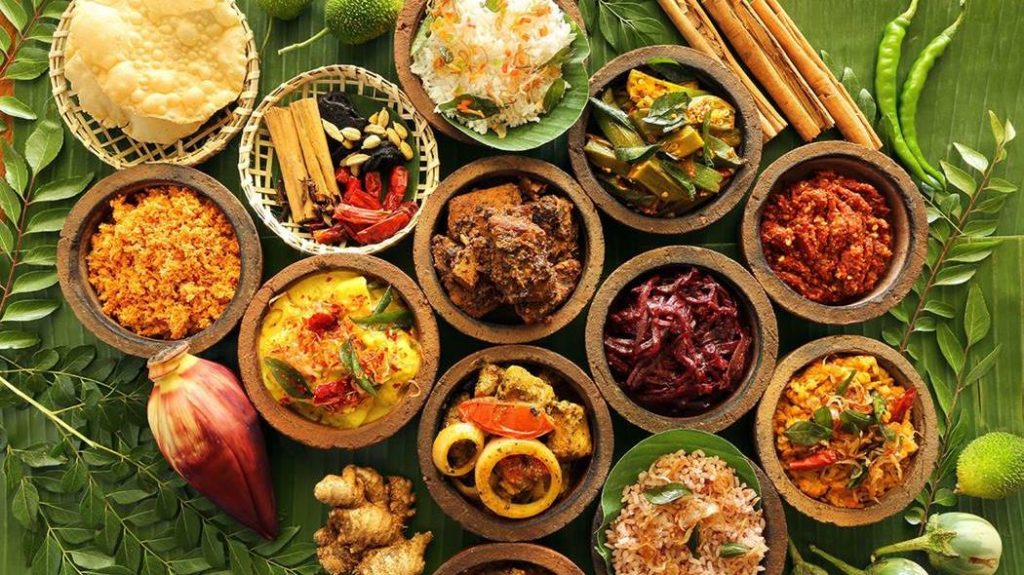
Traditional Eastern Sri Lankan food reflects one of the island’s most diverse culinary landscapes. From the coastal communities of Trincomalee and Batticaloa to the towns of Kalmunai, Akkaraipattu, and Ampara, Eastern Sri Lanka offers a fascinating mixture of Tamil, Muslim, and Sinhalese food traditions.
The region’s cuisine is influenced by its long coastline, fishing communities, agricultural heritage, and cultural diversity.
Fresh seafood, rice, coconut milk, aromatic spices, flatbreads, and traditional sweets all play important roles in local cooking.
While many visitors travel to Eastern Sri Lanka for beaches, wildlife, and historical attractions, the region also deserves attention as a food destination.
Unlike the restaurant scenes in Colombo or popular southern beach towns, Eastern Sri Lanka offers opportunities to experience regional dishes prepared according to family and community traditions.
In this guide, we explore 15 traditional Eastern Sri Lankan foods worth trying in 2026, including their ingredients, flavors, cultural connections, and practical dining advice.
1. Eastern Sri Lankan Fish Curry
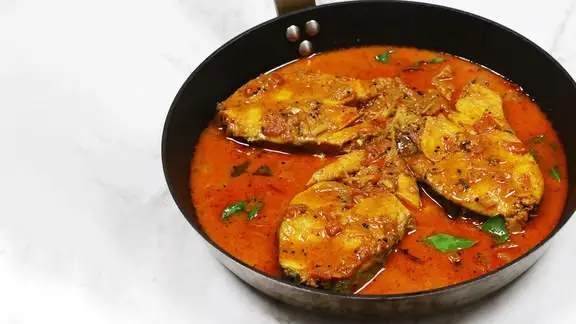
Fish curry is an important part of everyday food culture in Eastern Sri Lanka.
The region’s coastal geography provides access to different varieties of fresh fish, which are prepared using local spices and cooking techniques.
Common Ingredients
Depending on the recipe, Eastern Sri Lankan fish curry may contain:
- Fresh fish
- Chili powder
- Turmeric
- Curry leaves
- Tamarind
- Onion
- Garlic
- Coconut milk
- Other regional spices
What Makes It Special?
Fish curries in Eastern Sri Lanka vary considerably between households and communities.
Some are prepared with coconut milk, producing a creamy gravy.
Others use tamarind and spices to create a sharper, more intensely flavored curry.
Best Served With
- Steamed rice
- Pittu
- String hoppers
- Dosai
Fish curry is an excellent introduction to the region’s coastal cuisine.
2. Batticaloa-Style Biryani
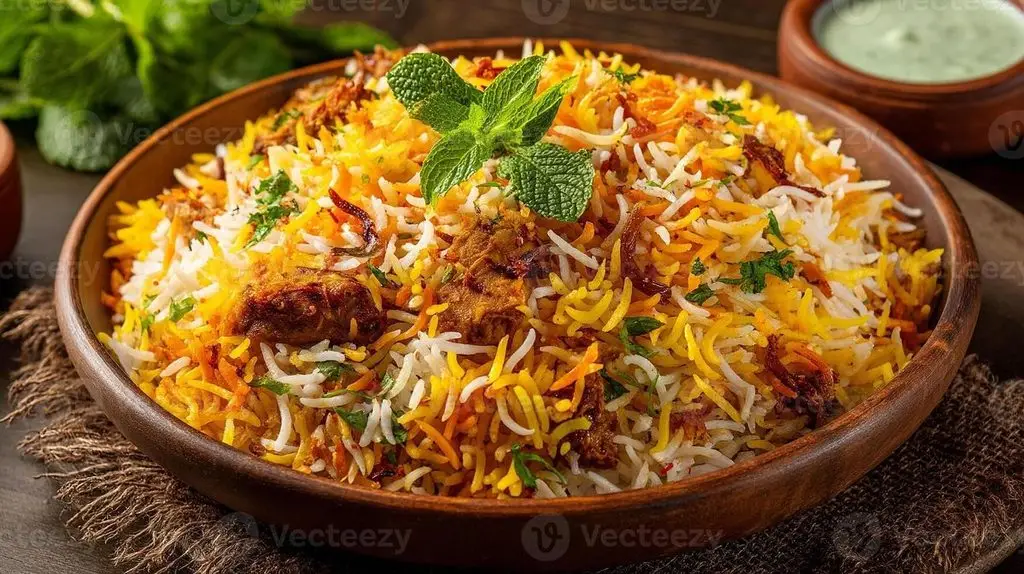
Biryani is popular among Muslim communities throughout Sri Lanka, including Eastern towns such as Batticaloa and Kalmunai.
Regional preparations may differ in rice varieties, spice combinations, and cooking methods.
Common Ingredients
- Rice
- Chicken or mutton
- Onion
- Ginger
- Garlic
- Cardamom
- Cinnamon
- Cloves
- Other aromatic spices
What Makes It Special?
Biryani is often prepared for celebrations, family gatherings, and special occasions.
Restaurants may serve it with additional accompaniments such as boiled eggs, salads, or gravies.
Ordering Tip
Biryani portions can be substantial, so ask about serving size before ordering.
3. Kottu Roti
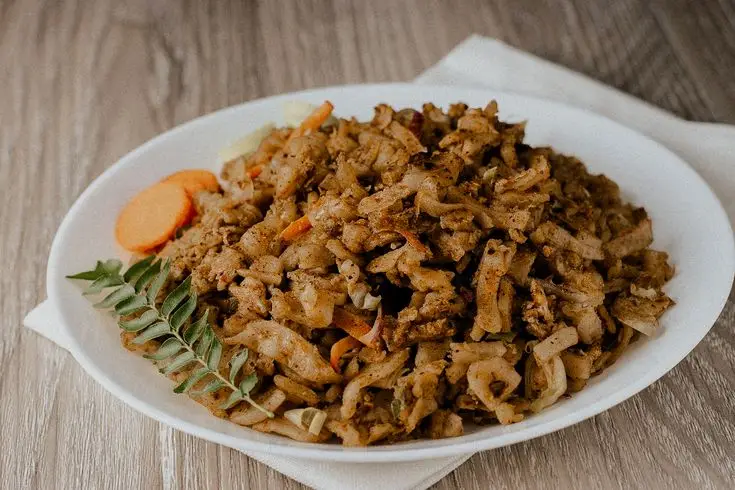
Kottu is popular throughout Sri Lanka, including Eastern towns.
It is prepared by chopping flatbread and cooking it on a hot griddle with vegetables, spices, and other ingredients.
Popular Varieties
- Vegetable kottu
- Egg kottu
- Chicken kottu
- Beef kottu
- Cheese kottu
Availability depends on the restaurant.
Why Try It?
Kottu is filling, convenient, and commonly available at casual restaurants.
Although it is not exclusive to Eastern Sri Lanka, it is an important part of the region’s contemporary dining culture.
4. Pittu with Curry
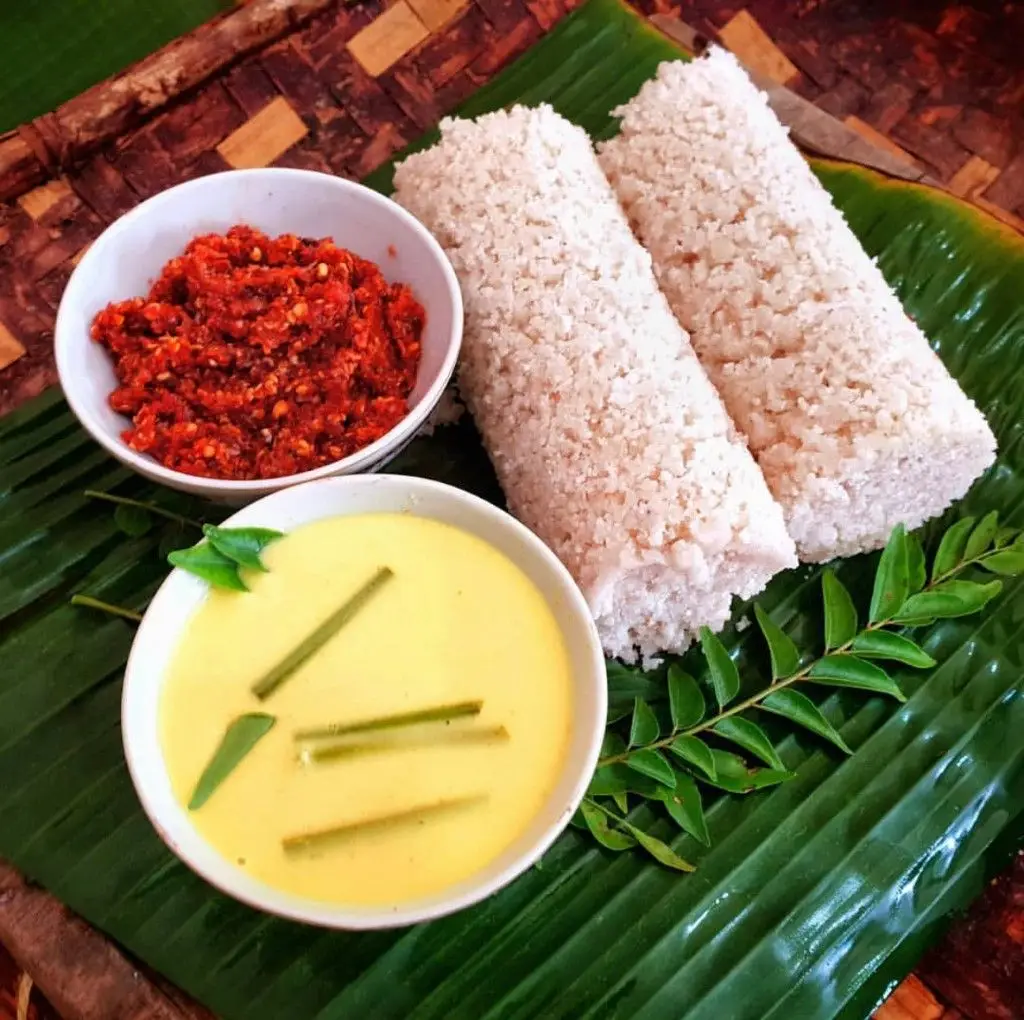
Pittu is a traditional steamed dish made using flour and grated coconut.
It is widely eaten in Eastern Sri Lanka, particularly as a breakfast or dinner option.
What Is Pittu Served With?
Popular accompaniments include:
- Fish curry
- Chicken curry
- Dhal curry
- Coconut milk
- Vegetable curry
Why Try It?
Pittu has a light, crumbly texture that absorbs curry gravy well.
It is especially enjoyable with strongly flavored seafood curries.
5. Dosai with Sambar
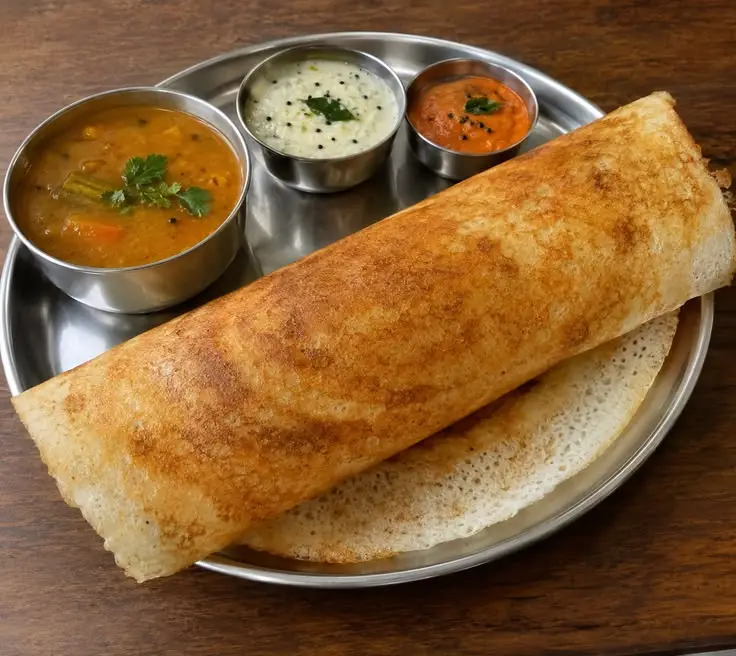
Dosai is a popular food in Tamil-speaking communities throughout Eastern Sri Lanka.
It is made from fermented rice-and-lentil batter and cooked on a flat surface.
Common Varieties
- Plain dosai
- Masala dosai
- Onion dosai
- Ghee dosai
Typical Accompaniments
- Sambar
- Coconut chutney
- Other chutneys
Why Try It?
Dosai is a satisfying breakfast or light meal and is suitable for many vegetarian diets.
6. Idli
Idli is another traditional food associated with Tamil culinary traditions.
These soft steamed cakes are made from fermented rice-and-lentil batter.
What Makes Idli Different?
Unlike crispy dosai, idli has a soft and fluffy texture.
It is usually served with sambar and chutney.
Why Try It?
Idli is mild, easy to eat, and a good option for visitors who prefer less spicy food.
7. Eastern Sri Lankan Crab Curry
Crab curry is a popular seafood preparation in parts of Eastern Sri Lanka.
Fresh crab is cooked with chili, spices, curry leaves, and other ingredients.
Flavor Profile
Crab curry can be rich, spicy, and aromatic.
Some versions use coconut milk, while others emphasize roasted spices and tamarind.
Best Accompaniments
- Steamed rice
- Pittu
- String hoppers
Ordering Tip
Crab may be priced by weight. Confirm the total price before ordering.
8. Prawn Curry
Prawn curry is another important seafood dish in Eastern coastal communities.
Fresh prawns are cooked with spices, onion, curry leaves, and sometimes coconut milk.
What Does It Taste Like?
The natural sweetness of prawns combines with aromatic spices and chili.
Where to Try It
Prawn curry may be available at local restaurants and seafood establishments in Trincomalee, Batticaloa, and other coastal towns.
9. Cuttlefish Curry
Cuttlefish is commonly eaten in Sri Lanka’s coastal regions.
It can be prepared as a curry, fried dish, or devilled seafood preparation.
Common Ingredients
- Cuttlefish
- Chili
- Onion
- Garlic
- Curry leaves
- Spices
- Coconut milk in some recipes
Why Try It?
Cuttlefish has a distinctive texture and works well with bold spices.
It is an interesting alternative to ordinary fish curry.
10. Parotta with Curry
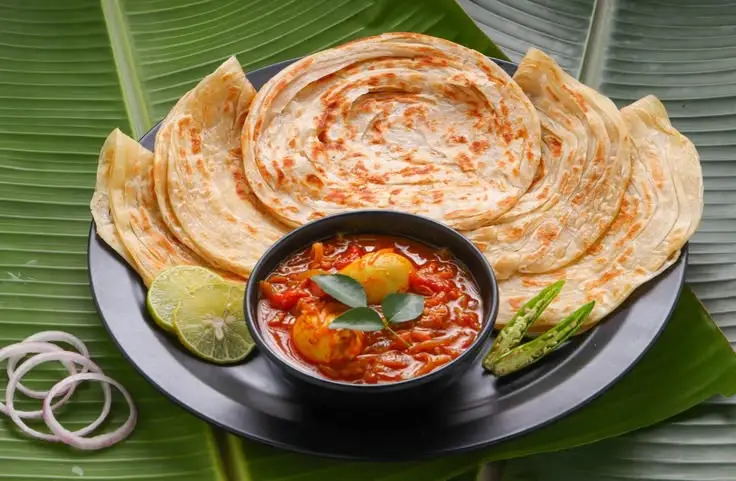
Parotta is a layered flatbread popular in Tamil and Muslim culinary traditions.
It is prepared by stretching and folding dough before cooking it on a hot surface.
What Is Parotta Served With?
- Chicken curry
- Mutton curry
- Beef curry
- Vegetable curry
- Spiced gravy
Why Try It?
Parotta is soft, filling, and particularly enjoyable with rich curries.
It is commonly eaten for dinner or as a substantial snack.
11. Eastern Sri Lankan Vegetable Curry
Vegetarian dishes form an important part of everyday meals in Eastern Sri Lanka.
Local cooking includes a variety of vegetable curries prepared with spices and sometimes coconut milk.
Common Vegetables
- Brinjal
- Pumpkin
- Long beans
- Drumstick
- Potatoes
- Leafy greens
What Makes It Special?
Recipes vary between communities and households.
Some curries are creamy and mild, while others are tangy and spicy.
Vegetable curries are commonly served with rice, dosai, or pittu.
12. Sambar
Sambar is a lentil-based vegetable stew widely associated with South Indian and Tamil cuisine.
It is also popular in Tamil-speaking communities in Eastern Sri Lanka.
Common Ingredients
- Lentils
- Vegetables
- Tamarind
- Curry leaves
- Mustard seeds
- Spices
Why Try It?
Sambar combines lentils, vegetables, and tangy seasoning in a flavorful dish.
It is commonly served with dosai, idli, and rice.
13. Ulundu Wade
Ulundu wade is a savory fried snack made from urad dal.
It is commonly shaped into a ring and fried until golden.
Taste and Texture
The exterior is crispy, while the inside remains soft.
Best Served With
- Sambar
- Coconut chutney
- Tea
Ulundu wade is widely available at local eateries and snack shops.
14. Watalappan
Watalappan is a traditional Sri Lankan coconut custard strongly associated with Muslim culinary traditions.
It is prepared using ingredients such as coconut milk, jaggery, eggs, and aromatic spices.
What Makes It Special?
Watalappan has a smooth texture and rich caramel-like sweetness.
It is commonly served during celebrations and special occasions.
Why Try It in Eastern Sri Lanka?
Eastern Sri Lanka has significant Muslim communities, and watalappan is an important part of many family and festive food traditions.
15. Traditional Eastern Sri Lankan Sweets
Eastern Sri Lanka offers a variety of sweets influenced by Tamil, Muslim, and wider Sri Lankan culinary traditions.
Depending on the community and occasion, visitors may encounter:
- Laddu
- Halwa
- Milk toffee
- Traditional rice-flour sweets
- Coconut-based sweets
- Festival desserts
Why Try Them?
Traditional sweets are an important part of celebrations, religious festivals, weddings, and family gatherings.
They also provide an opportunity to experience the region’s cultural diversity.
What Makes Traditional Eastern Sri Lankan Food Different?
Eastern Sri Lankan cuisine is shaped by several important influences.
Coastal Seafood Traditions
Fishing communities contribute to the popularity of fish, prawns, crab, and cuttlefish.
Tamil Culinary Heritage
Dosai, idli, sambar, parotta, and other Tamil dishes are important parts of regional food culture.
Muslim Food Traditions
Biryani, rich meat curries, and festive desserts such as watalappan reflect Muslim culinary influences.
Rice and Coconut
Rice and coconut-based ingredients remain central to many traditional meals.
Regional Spices
Chili, tamarind, curry leaves, turmeric, and aromatic spice mixtures create distinctive flavors.
Where to Try Traditional Eastern Sri Lankan Food
Eastern Sri Lanka includes several destinations with different food experiences.
Trincomalee
Trincomalee offers coastal seafood, Tamil-style meals, and local rice-and-curry restaurants.
Visitors can explore both traditional eateries and tourist-oriented restaurants.
Batticaloa
Batticaloa has a diverse food culture influenced by Tamil and Muslim communities.
Seafood, biryani, dosai, and other traditional dishes are part of the local dining scene.
Kalmunai
Kalmunai has strong Muslim culinary traditions.
Visitors may find biryani, meat curries, parotta, and traditional sweets.
Akkaraipattu
Akkaraipattu offers opportunities to explore local Muslim and Tamil food traditions.
Ampara
Ampara and surrounding communities provide a variety of traditional Sri Lankan rice-and-curry meals and regional dishes.
Traditional Eastern Sri Lankan Food Prices in 2026
Prices vary depending on the restaurant, portion size, ingredients, and location.
The following are illustrative budgeting ranges rather than verified current menu prices.
| Dish | Estimated Price |
|---|---|
| Fish Curry Meal | LKR 800–2,000 |
| Chicken Biryani | LKR 1,000–2,500 |
| Vegetable Kottu | LKR 700–1,500 |
| Chicken Kottu | LKR 1,000–2,000 |
| Pittu with Curry | LKR 500–1,500 |
| Plain Dosai | LKR 200–500 |
| Idli Serving | LKR 300–700 |
| Crab Curry | LKR 2,500–6,000+ |
| Prawn Curry | LKR 1,500–3,500 |
| Cuttlefish Curry | LKR 1,500–3,500 |
| Parotta with Curry | LKR 600–1,800 |
| Vegetable Rice and Curry | LKR 500–1,200 |
| Sambar | LKR 300–800 |
| Ulundu Wade | LKR 100–250 |
| Watalappan | LKR 350–1,000 |
Actual prices may differ considerably, particularly for seafood.
Is Eastern Sri Lankan Food Spicy?
Some Eastern Sri Lankan dishes can be very spicy, especially certain seafood and meat curries.
However, many milder options are available.
Visitors who prefer less spicy food can consider:
- Idli
- Plain dosai
- Pittu
- Mild vegetable curries
- Coconut-based gravies
Ask the restaurant about spice levels before ordering.
Is Eastern Sri Lankan Food Vegetarian-Friendly?
Yes.
Vegetarian travelers can find dishes such as:
- Dosai
- Idli
- Sambar
- Vegetable curry
- Dhal curry
- Pittu
- Vegetarian rice and curry
Strict vegetarians and vegans should confirm ingredients, particularly in dishes that may contain ghee, dairy, eggs, or fish-based seasonings.
A One-Day Eastern Sri Lankan Food Experience
If you are exploring Eastern Sri Lanka, consider the following food-focused day.
Breakfast
Start with dosai or idli served with sambar and coconut chutney.
Morning Snack
Enjoy freshly prepared ulundu wade with tea.
Lunch
Choose a traditional rice-and-curry meal with fish or several vegetable dishes.
Afternoon
Explore local markets for traditional sweets and seasonal snacks.
Dinner
Try biryani, parotta with curry, or a regional seafood dish.
Dessert
Finish with watalappan.
This simple itinerary introduces several important aspects of Eastern Sri Lankan cuisine.
Tips for Exploring Eastern Sri Lankan Food
Try Local Restaurants
Traditional eateries often provide an opportunity to experience everyday regional dishes.
Ask About Seafood Availability
Fresh seafood depends on the daily catch and local supply.
Confirm Prices
Crab, lobster, and other premium seafood may be priced by weight.
Respect Cultural Traditions
Eastern Sri Lanka has diverse religious and cultural communities. Be respectful of local customs, particularly when dining near places of worship.
Explore Vegetarian Options
Tamil culinary traditions offer many vegetarian dishes.
Try Regional Sweets
Traditional sweets are especially interesting during festivals and celebrations.
Frequently Asked Questions
What is traditional Eastern Sri Lankan food?
Traditional Eastern Sri Lankan food includes seafood curries, biryani, pittu, dosai, idli, parotta, vegetable curries, and regional sweets.
What food is Batticaloa famous for?
Batticaloa is associated with seafood and a variety of Tamil and Muslim culinary traditions, including biryani and traditional curries.
Is Eastern Sri Lankan food different from Southern Sri Lankan food?
Yes. Eastern cuisine has strong Tamil and Muslim influences, while Southern cuisine is particularly associated with dishes such as fish ambul thiyal and certain coconut-based preparations.
Is Eastern Sri Lankan food spicy?
Some dishes are very spicy, but milder options such as idli, dosai, and coconut-based curries are available.
What should tourists eat in Trincomalee?
Visitors can try fresh seafood, fish curry, rice and curry, dosai, and other local specialties.
Is vegetarian food available in Eastern Sri Lanka?
Yes. Dosai, idli, sambar, vegetable curries, and vegetarian rice-and-curry meals are commonly available.
What desserts are popular in Eastern Sri Lanka?
Watalappan and various Tamil and Muslim traditional sweets are enjoyed in the region.
Is food expensive in Eastern Sri Lanka?
Many everyday local meals are relatively affordable. Premium seafood and tourist-oriented restaurants can be more expensive.
Final Thoughts
Traditional Eastern Sri Lankan food reflects the region’s cultural diversity, coastal geography, and long-established cooking traditions.
From seafood curries and aromatic biryani to dosai, idli, parotta, and traditional sweets, Eastern Sri Lanka offers an impressive range of culinary experiences.
For travelers interested in authentic regional cuisine, the Eastern Province provides opportunities to explore food traditions that differ from those found in Colombo, Kandy, or the southern coast.
Whether you are enjoying seafood in Trincomalee, discovering traditional dishes in Batticaloa, or exploring Muslim culinary traditions in Kalmunai, the region offers memorable flavors and dining experiences.
For more Sri Lankan restaurant menus, regional food guides, dining information, and food prices, visit Menueka.com.