
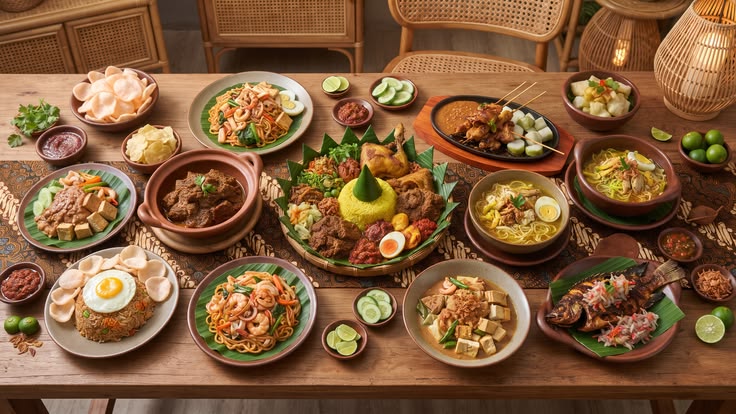
Traditional Southern Sri Lankan food is known for its bold spices, fresh seafood, coconut-based curries, and distinctive regional cooking methods. From the coastal towns of Galle and Matara to the agricultural communities of Hambantota, Southern Sri Lanka offers a remarkable variety of dishes that reflect the region’s history, geography, and food culture.
While rice and curry is popular throughout the island, Southern Sri Lankan cuisine has several specialties that make it particularly interesting for food lovers.
Sour fish curry, spicy coconut sambol, richly seasoned vegetable dishes, traditional sweets, and fresh buffalo curd are among the foods associated with the region.
The southern coast also has a strong fishing tradition, which influences the availability and preparation of seafood.
For travelers exploring Galle, Mirissa, Tangalle, Matara, or Hambantota, trying local dishes is an excellent way to experience the region beyond its beaches and tourist attractions.
In this guide, we explore 15 traditional Southern Sri Lankan foods worth trying in 2026, including their ingredients, flavors, regional connections, and practical dining tips.
1. Fish Ambul Thiyal – Traditional Sour Fish Curry
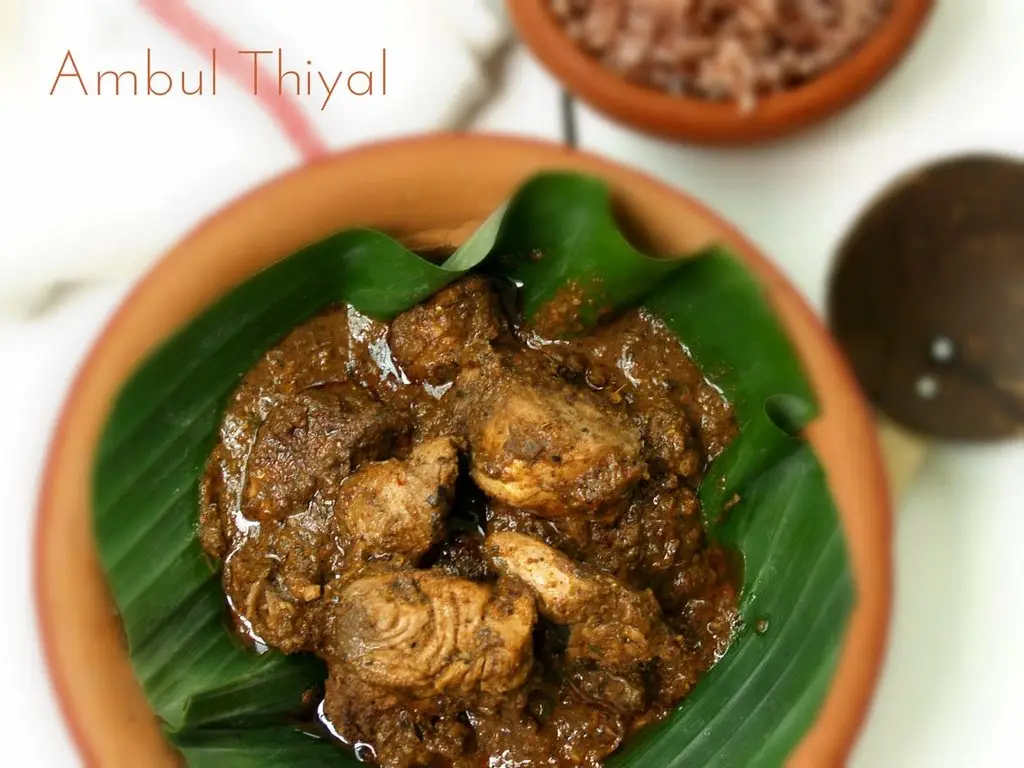
Fish ambul thiyal is one of the most famous dishes associated with Southern Sri Lankan cuisine.
This traditional preparation uses firm fish, often tuna, cooked with a mixture of spices and a souring ingredient called goraka.
Unlike many Sri Lankan fish curries, ambul thiyal is typically prepared with relatively little liquid.
The finished dish has a concentrated flavor and a dark, richly seasoned coating.
Common Ingredients
- Firm fish such as tuna
- Goraka
- Black pepper
- Turmeric
- Garlic
- Ginger
- Curry leaves
- Other spices
What Makes It Special?
The combination of sourness, pepper, and spices creates a distinctive flavor.
Traditionally, the preparation method also helped preserve cooked fish for longer periods, although modern food safety and refrigeration remain important.
Best Served With
- Steamed rice
- Red rice
- Dhal curry
- Vegetable curries
- Coconut sambol
Fish ambul thiyal is an excellent dish for visitors who want to experience a regional Sri Lankan specialty.
2. Southern Sri Lankan Fish Curry
Fish curry is a central part of coastal food culture in Southern Sri Lanka.
Fresh fish is cooked with spices, curry leaves, and sometimes coconut milk.
Recipes vary between households and restaurants.
Some preparations are intensely spicy, while others are milder and creamier.
Popular Fish Choices
Depending on the catch, local restaurants may prepare curries using tuna, seer fish, or other locally available fish.
Why Try It?
Southern fish curry reflects the relationship between the region’s fishing communities and traditional home cooking.
It is commonly served with rice and vegetable accompaniments.
3. Prawn Curry
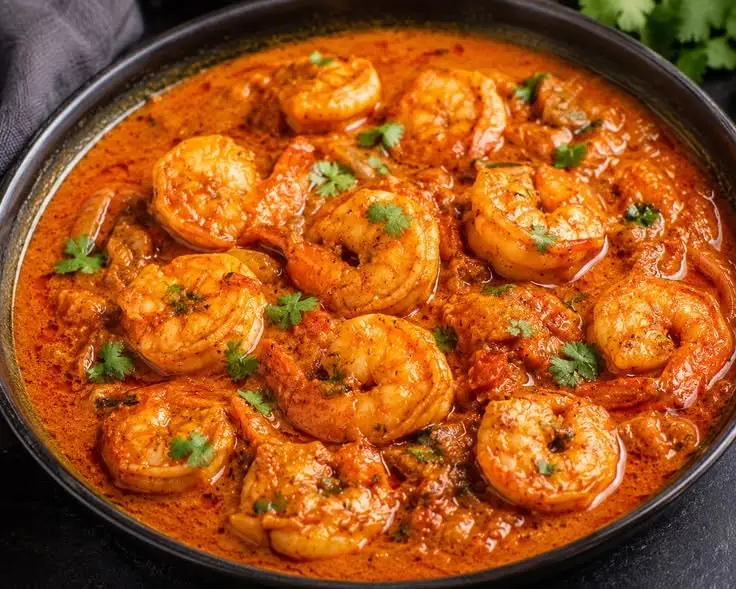
Prawn curry is another popular seafood dish along Sri Lanka’s southern coast.
Fresh prawns are cooked with spices, onions, curry leaves, and often coconut milk.
What Does It Taste Like?
The natural sweetness of prawns combines with the richness of coconut and the heat of chili.
Some versions are thick and creamy, while others contain a thinner gravy.
Where to Try It
Prawn curry may be available at seafood restaurants and local eateries in coastal destinations such as Galle, Mirissa, Matara, and Tangalle.
Ordering Tip
Confirm the portion size and price before ordering, particularly at tourist-oriented seafood restaurants.
4. Cuttlefish Curry
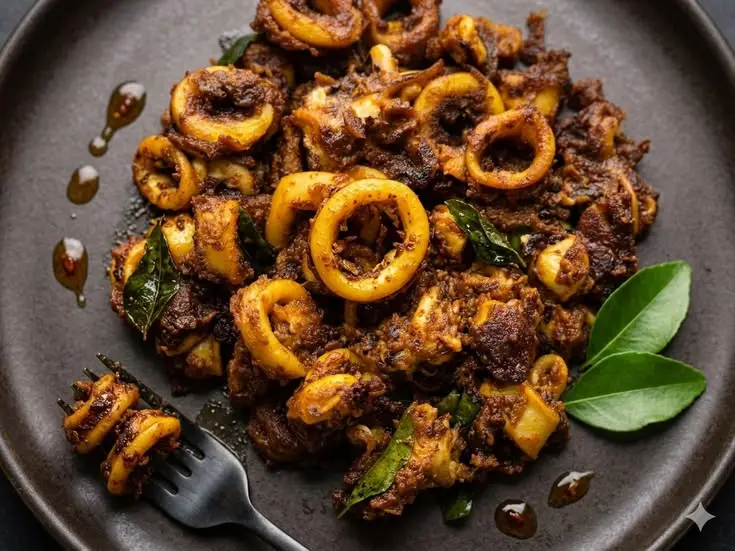
Cuttlefish is commonly eaten in Sri Lanka’s coastal regions.
It may be prepared as a curry, stir-fried dish, or devilled seafood preparation.
Traditional cuttlefish curry combines tender pieces of cuttlefish with aromatic spices.
Flavor and Texture
Cuttlefish has a distinctive texture that differs from ordinary fish.
When properly prepared, it can be tender and flavorful.
Best Accompaniments
- Steamed rice
- Fried rice
- Vegetable curries
- Coconut sambol
5. Pol Sambol – Spicy Coconut Sambol
Pol sambol is popular throughout Sri Lanka, but it is particularly relevant to Southern cooking because coconut is widely used in the region.
Fresh grated coconut is mixed with chili, onion, lime, and salt.
Some recipes also contain Maldive fish.
Why Is It Popular?
Pol sambol adds freshness, spice, and texture to a meal.
It complements rice, bread, string hoppers, and coconut roti.
Vegetarian Tip
Ask whether the sambol contains Maldive fish if you follow a vegetarian or vegan diet.
6. Southern-Style Pol Roti
Pol roti is a traditional coconut flatbread made with flour and grated coconut.
It is commonly eaten for breakfast or as a light meal.
What Is It Served With?
- Lunu miris
- Coconut sambol
- Dhal curry
- Fish curry
- Chicken curry
Why Try It?
Pol roti is simple, filling, and closely connected to everyday Sri Lankan home cooking.
It is especially enjoyable when freshly prepared.
7. Jackfruit Curry – Polos Curry
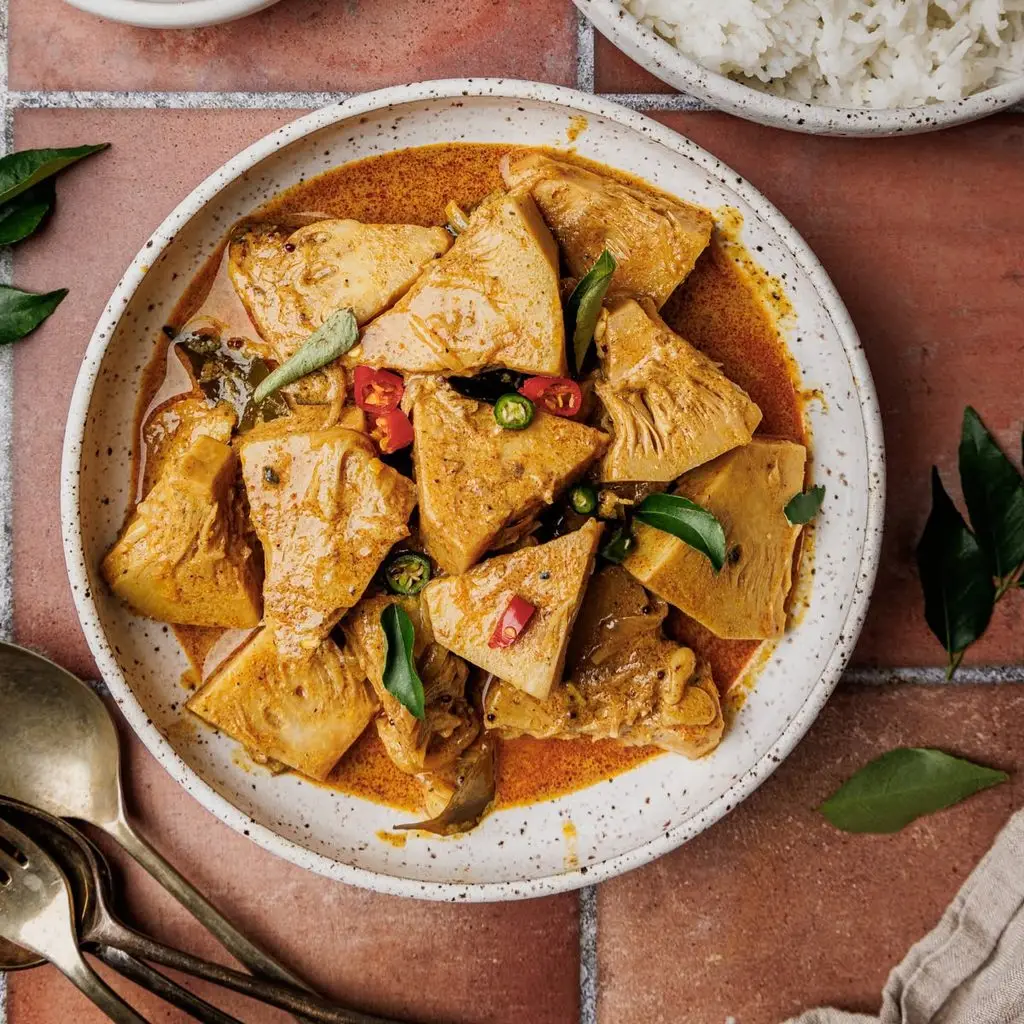
Young jackfruit curry, commonly called polos curry, is a traditional dish found throughout Sri Lanka.
It is also an important part of Southern Sri Lankan home-style cooking.
Young jackfruit is cooked slowly with spices until tender.
What Makes Polos Curry Special?
The jackfruit absorbs spices and develops a rich, savory flavor.
Its texture makes it a satisfying vegetarian dish.
Best Served With
Polos curry is commonly enjoyed with rice, dhal, and other vegetable preparations.
8. Southern-Style Pumpkin Curry
Pumpkin curry is a familiar vegetable dish in Southern Sri Lankan meals.
Pumpkin is cooked with coconut milk, turmeric, curry leaves, and spices.
Flavor Profile
The natural sweetness of pumpkin balances the spice mixture.
Some versions are mild, while others contain more chili.
Why Try It?
Pumpkin curry is an excellent accompaniment to spicy fish curry or ambul thiyal.
It also provides a milder option for visitors who prefer less spicy food.
9. Batu Moju – Sweet and Sour Eggplant
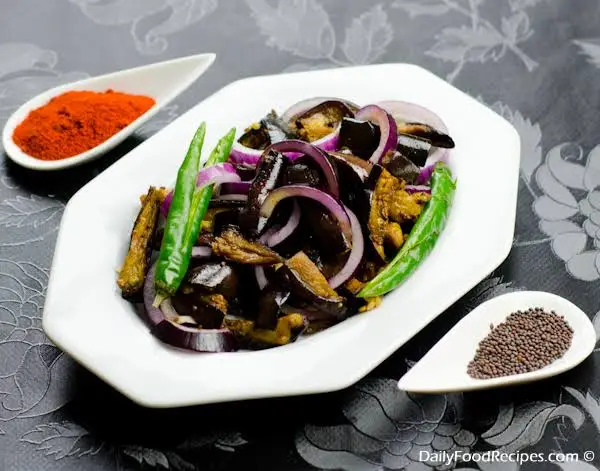
Batu moju is a traditional Sri Lankan eggplant preparation.
Eggplant is fried and combined with onions, chili, vinegar, sugar, and spices.
The result is a sweet, sour, and savory accompaniment.
Why Is It Popular?
Batu moju adds contrast to rice-and-curry meals.
Its concentrated flavor means that a small portion can complement several other dishes.
Best Served With
- Yellow rice
- White rice
- Vegetable curries
- Chicken curry
- Fish curry
10. Kiri Hodi – Coconut Milk Gravy
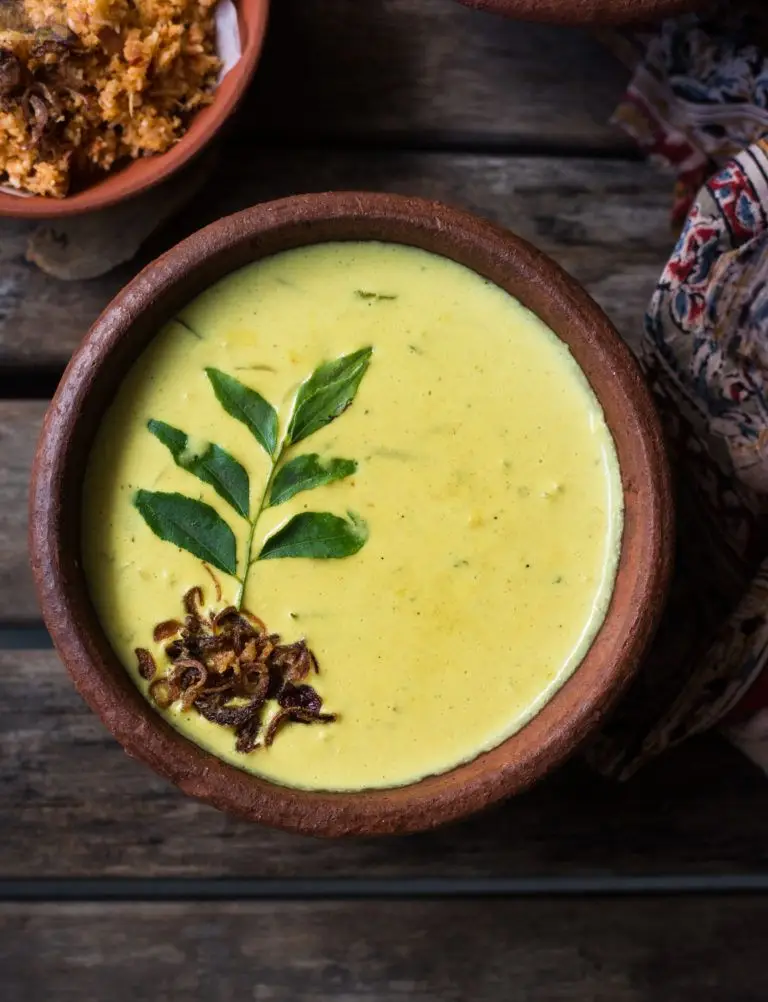
Kiri hodi is a traditional coconut-milk-based gravy.
It is commonly prepared with coconut milk, turmeric, curry leaves, pandan leaves, and other seasonings.
What Makes It Special?
Kiri hodi is generally milder than many Sri Lankan curries.
Its creamy texture makes it particularly suitable for breakfast dishes.
Popular Accompaniments
- String hoppers
- Pittu
- Rice
- Roti
For visitors who are sensitive to spicy food, kiri hodi can be a useful introduction to coconut-based Sri Lankan cooking.
11. Southern Sri Lankan Rice and Curry
A traditional rice-and-curry meal is one of the best ways to explore Southern Sri Lankan cuisine.
The meal may include several vegetable curries, sambols, and a fish or meat preparation.
Typical Meal Components
- White or red rice
- Dhal curry
- Pumpkin curry
- Green bean curry
- Polos curry
- Coconut sambol
- Fish ambul thiyal
- Papadam
The selection varies depending on the restaurant and the ingredients available.
Why Try It?
A complete rice-and-curry meal allows visitors to experience several flavors in one sitting.
It is also an important part of everyday Sri Lankan food culture.
12. Buffalo Curd with Kithul Treacle
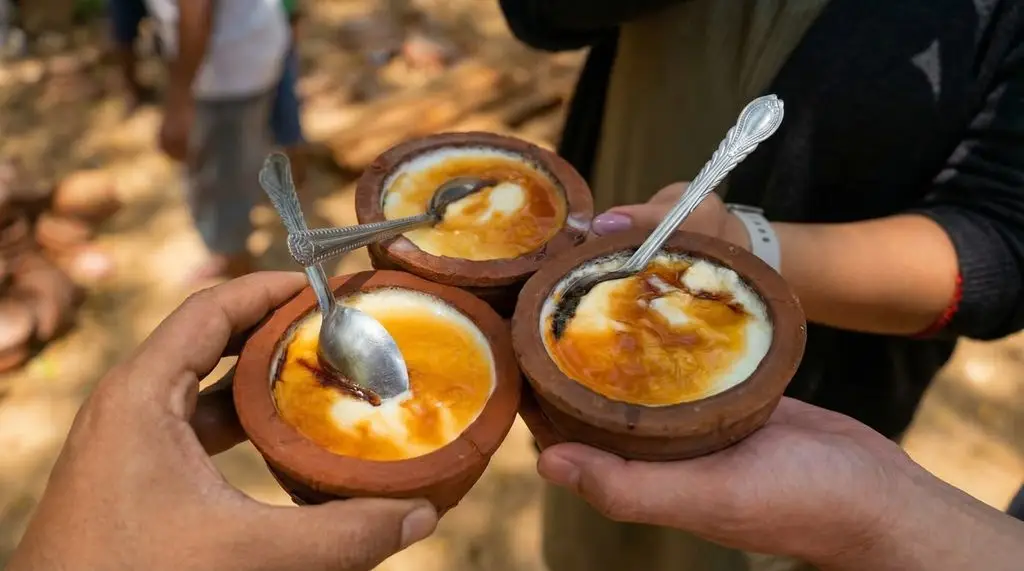
Buffalo curd with treacle is one of the most recognizable desserts associated with Southern Sri Lanka.
The dish combines thick buffalo milk curd with sweet treacle, traditionally made from kithul palm sap.
What Does It Taste Like?
Buffalo curd has a slightly sour flavor and creamy texture.
The sweetness of treacle creates a pleasant contrast.
Regional Connection
Areas around Tissamaharama and Hambantota are particularly associated with buffalo curd production.
Why Try It?
Curd and treacle is a refreshing dessert after a spicy meal.
It is also a popular food souvenir when sold in suitable packaging, although fresh curd requires proper refrigeration.
13. Kalu Dodol – Traditional Southern Sweet
Kalu dodol is a rich, dark confection made using coconut milk, rice flour, and jaggery or treacle.
The ingredients are slowly cooked until the mixture becomes thick and glossy.
What Makes It Special?
Kalu dodol has a dense, sticky texture and deep caramel-like sweetness.
It is strongly associated with Hambantota and other parts of Southern Sri Lanka.
Where to Find It
Traditional sweet shops, roadside vendors, and local markets may sell packaged kalu dodol.
Travel Tip
Check packaging, ingredients, and storage instructions before purchasing it as a souvenir.
14. Bibikkan – Traditional Coconut Cake
Bibikkan is a traditional Sri Lankan coconut cake made with grated coconut, jaggery or treacle, spices, and other ingredients.
It has a dense, moist texture.
Common Ingredients
- Grated coconut
- Jaggery
- Semolina or flour
- Cinnamon
- Cardamom
- Cashew nuts
- Dried fruit in some recipes
Why Try It?
Bibikkan combines the richness of coconut with warm spices.
It is especially enjoyable with a cup of Ceylon tea.
15. Fresh Southern Sri Lankan Seafood
Beyond individual curries, fresh seafood is an important part of Southern Sri Lankan dining.
Coastal restaurants may offer a variety of seafood dishes depending on the daily catch.
Common Seafood Choices
- Grilled fish
- Fried fish
- Prawns
- Crab
- Cuttlefish
- Lobster
Why Try It?
The southern coast offers opportunities to enjoy seafood prepared in both traditional Sri Lankan and international styles.
Important Ordering Tip
Some restaurants charge seafood by weight.
Always confirm the price, preparation method, and portion size before ordering.
What Makes Traditional Southern Sri Lankan Food Different?
Southern Sri Lankan cuisine has several distinctive characteristics.
Strong Coastal Influence
Fishing communities have contributed to a rich seafood tradition.
Coconut-Based Cooking
Coconut milk and freshly grated coconut are widely used in curries, sambols, and sweets.
Sour and Spicy Flavors
Ingredients such as goraka, black pepper, and chili contribute to the region’s characteristic flavors.
Traditional Preservation Methods
Preparations such as fish ambul thiyal reflect older cooking practices developed before modern refrigeration became widely available.
Regional Sweets
Kalu dodol, bibikkan, and curd with treacle are important parts of the region’s food identity.
Where to Try Traditional Southern Sri Lankan Food
Southern Sri Lanka offers several destinations where travelers can explore local food culture.
Galle
Galle has traditional Sri Lankan restaurants, seafood establishments, and modern cafés.
Visitors can explore both local dining areas and restaurants around Galle Fort.
Matara
Matara is a useful destination for experiencing everyday Southern Sri Lankan cuisine.
Local eateries serve rice and curry, seafood, and traditional snacks.
Mirissa
Mirissa is particularly popular for beachfront dining and seafood.
Visitors can find both traditional Sri Lankan meals and international restaurant options.
Tangalle
Tangalle offers opportunities to enjoy coastal food traditions, including fish curry and seafood dishes.
Hambantota
Hambantota is strongly associated with buffalo curd and kalu dodol.
The area also offers traditional rice-and-curry meals and regional specialties.
Traditional Southern Sri Lankan Food Prices in 2026
Food prices vary considerably between local restaurants, tourist cafés, and premium seafood establishments.
The following table provides illustrative budgeting ranges rather than verified current menu prices.
| Dish | Estimated Price |
|---|---|
| Fish Ambul Thiyal Portion | LKR 700–1,800 |
| Fish Curry Meal | LKR 800–2,000 |
| Prawn Curry | LKR 1,500–3,500 |
| Cuttlefish Curry | LKR 1,500–3,500 |
| Pol Roti | LKR 100–300 each |
| Polos Curry | LKR 400–1,000 |
| Pumpkin Curry | LKR 300–800 |
| Batu Moju | LKR 350–900 |
| Kiri Hodi | LKR 250–700 |
| Rice and Curry Meal | LKR 500–1,500 |
| Curd and Treacle | LKR 350–1,000 |
| Kalu Dodol | LKR 400–1,200 per small pack |
| Bibikkan | LKR 250–700 per slice |
| Grilled Fish Meal | LKR 1,500–4,000+ |
| Seafood Platter | LKR 5,000–15,000+ |
Actual prices depend on the restaurant, portion size, ingredients, and location.
Is Southern Sri Lankan Food Very Spicy?
Some Southern Sri Lankan dishes can be very spicy, especially certain fish curries and chili-based sambols.
However, not every dish is hot.
Milder options may include:
- Kiri hodi
- Pumpkin curry
- Plain rice
- Some dhal curries
- Coconut-based vegetable curries
Visitors who prefer mild food should ask about spice levels before ordering.
Is Southern Sri Lankan Food Vegetarian-Friendly?
Yes.
Although the region is famous for seafood, traditional Southern Sri Lankan cuisine includes many vegetarian dishes.
Popular options include:
- Polos curry
- Pumpkin curry
- Dhal curry
- Green bean curry
- Potato curry
- Coconut roti
- Rice and vegetable curries
Strict vegetarians and vegans should confirm whether dishes contain Maldive fish, dairy, eggs, or other animal-derived ingredients.
A One-Day Southern Sri Lankan Food Experience
If you are traveling through Southern Sri Lanka, consider trying several regional foods throughout the day.
Breakfast
Start with pol roti, dhal curry, and coconut sambol.
Alternatively, choose string hoppers with kiri hodi.
Lunch
Enjoy a traditional rice-and-curry meal with fish ambul thiyal and several vegetable dishes.
Afternoon Snack
Try a slice of bibikkan with Ceylon tea.
Dinner
Choose freshly prepared seafood or a traditional Southern fish curry.
Dessert
Finish with buffalo curd and kithul treacle.
This simple food itinerary introduces several different flavors and cooking traditions in one day.
Tips for Exploring Southern Sri Lankan Cuisine
Try Local Rice-and-Curry Restaurants
Small local restaurants often serve traditional dishes at reasonable prices.
Ask About Fresh Seafood
Availability depends on the catch and season.
Confirm Seafood Prices
Check whether the restaurant charges by portion or weight.
Explore Traditional Sweet Shops
Kalu dodol and other regional sweets are worth trying.
Check Spice Levels
Some Southern curries can be significantly hotter than visitors expect.
Respect Local Food Traditions
Traditional recipes vary between families and communities, so the same dish may taste different in different locations.
Frequently Asked Questions
What is traditional Southern Sri Lankan food?
Traditional Southern Sri Lankan food includes fish ambul thiyal, seafood curries, coconut-based vegetable dishes, rice and curry, buffalo curd, and regional sweets.
What is the most famous Southern Sri Lankan dish?
Fish ambul thiyal is one of the best-known dishes associated with Southern Sri Lankan cuisine.
What is fish ambul thiyal?
Fish ambul thiyal is a traditional sour fish curry prepared with goraka, black pepper, and spices, usually with relatively little gravy.
Is Southern Sri Lankan food spicy?
Some dishes are very spicy, particularly certain seafood curries and sambols. However, milder coconut-based curries are also available.
What food is Hambantota famous for?
Hambantota is particularly associated with buffalo curd and kalu dodol.
Where can tourists try Southern Sri Lankan food?
Galle, Matara, Mirissa, Tangalle, and Hambantota offer opportunities to explore Southern Sri Lankan cuisine.
Is vegetarian food available in Southern Sri Lanka?
Yes. Traditional vegetable curries, dhal, jackfruit curry, coconut roti, and rice-based meals are widely available.
Is seafood expensive in Southern Sri Lanka?
Prices vary depending on the type of seafood, weight, season, and restaurant. Premium seafood such as lobster and crab can be considerably more expensive than ordinary fish meals.
Final Thoughts
Traditional Southern Sri Lankan food reflects the region’s coastal geography, agricultural traditions, and distinctive cooking techniques.
From the bold sourness of fish ambul thiyal to the creamy richness of buffalo curd and treacle, Southern Sri Lanka offers an impressive variety of flavors.
The region is particularly interesting for travelers who enjoy seafood, coconut-based curries, traditional sweets, and authentic local dining experiences.
Whether you are exploring the historic streets of Galle, enjoying a seafood meal in Mirissa, or discovering traditional sweets in Hambantota, Southern Sri Lankan cuisine offers something memorable.
For more Sri Lankan restaurant menus, regional food guides, dining information, and food prices, visit Menueka.com.