
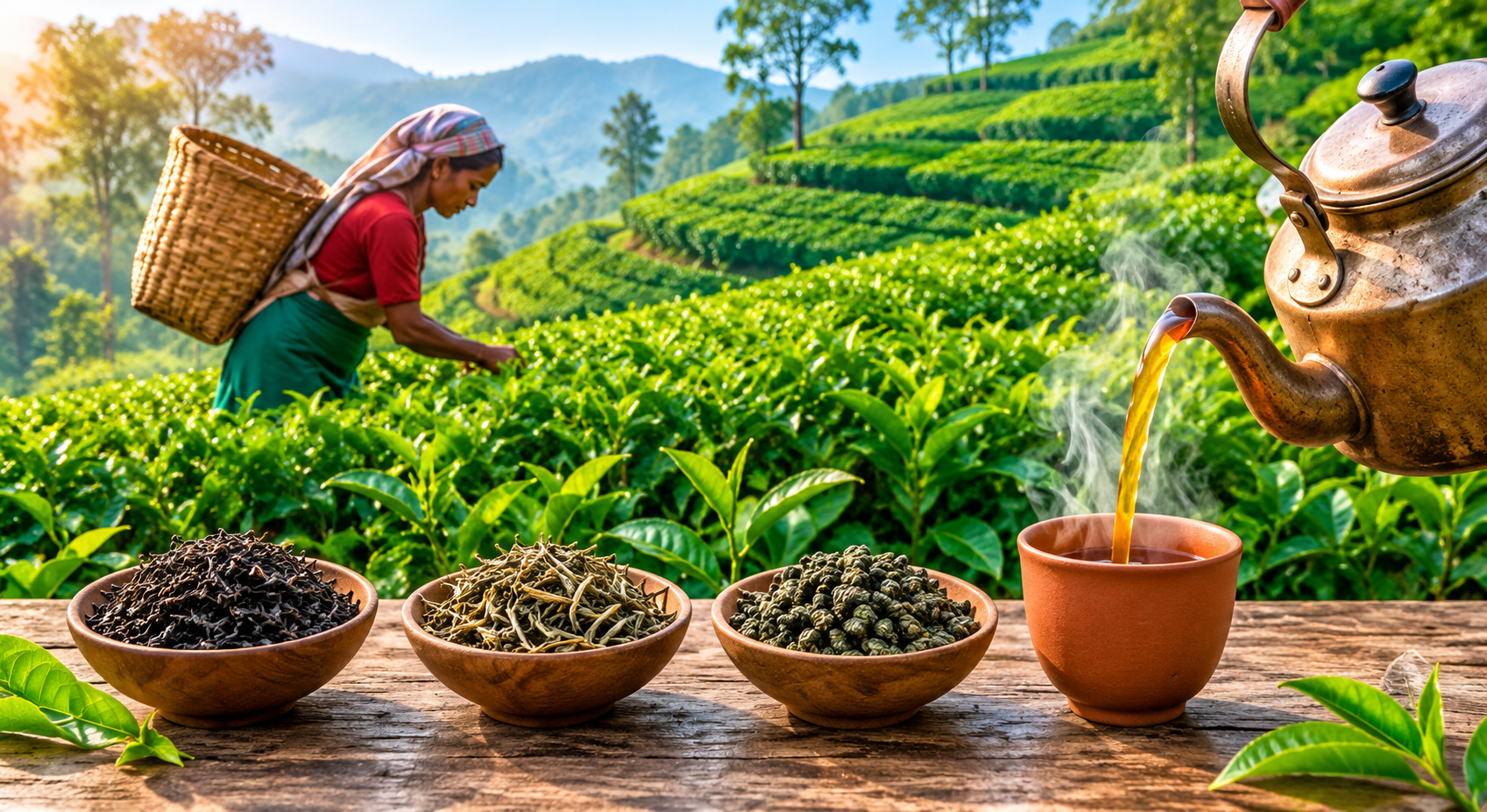
This Ceylon tea guide introduces one of Sri Lanka’s most celebrated beverages and an essential part of the country’s culinary identity. From the mist-covered mountains of Nuwara Eliya to the warm lowlands of Southern Sri Lanka, the island produces an impressive variety of teas with distinctive flavors, aromas and characteristics.
Sri Lanka is internationally recognized for its tea industry, but tea is much more than an agricultural export. It is part of everyday life, hospitality, social gatherings and traditional dining experiences.
Whether you are enjoying a cup of milk tea with a fish bun at a local bakery or experiencing afternoon tea at a luxury hotel, there are countless ways to discover Sri Lankan tea culture.
Understanding the different tea-growing regions, tea grades and preparation methods can help you choose the perfect cup.
What Is Ceylon Tea?
Ceylon tea refers to tea grown and produced in Sri Lanka.
The name comes from Ceylon, the former name of Sri Lanka, which remained internationally associated with the country’s tea industry after the island officially changed its name in 1972.
Ceylon tea is produced from the leaves of the Camellia sinensis plant.
Depending on how the leaves are processed, they can produce different types of tea, including:
- Black tea
- Green tea
- White tea
- Oolong tea
Black tea is the most widely recognized type of Ceylon tea.
Its flavor can range from light and floral to strong, rich and full-bodied, depending on the growing region and production method.
The History of Ceylon Tea
Sri Lanka’s commercial tea industry developed during the British colonial period.
In 1867, Scottish planter James Taylor established a commercial tea plantation at the Loolecondera Estate near Kandy.
During the nineteenth century, coffee had been an important agricultural crop in Sri Lanka. However, coffee leaf disease severely damaged plantations, encouraging the expansion of tea cultivation.
Over time, tea became one of Sri Lanka’s most important exports.
Today, tea plantations form a recognizable part of the country’s central highland landscape and contribute significantly to its agricultural heritage.
Ceylon Tea Guide to Sri Lanka’s Seven Tea-Growing Regions
Sri Lanka has seven principal tea-growing regions. Each produces teas with different characteristics influenced by elevation, rainfall, temperature, soil and seasonal weather patterns.
1. Nuwara Eliya Tea
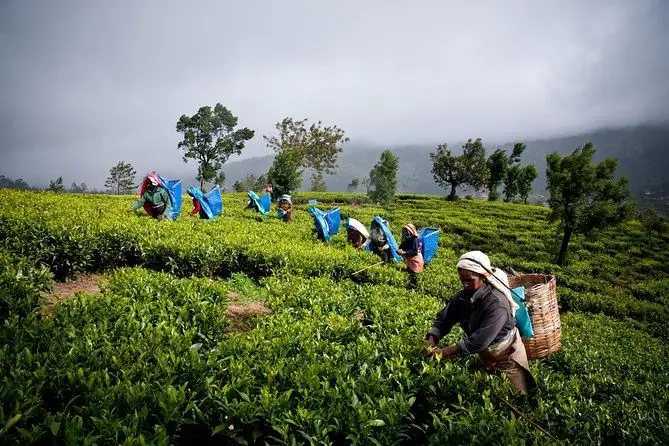
Nuwara Eliya is one of Sri Lanka’s best-known high-grown tea regions.
Its cool mountain climate contributes to the production of delicate and aromatic teas.
Flavor characteristics:
- Light and delicate
- Floral aroma
- Refreshing taste
- Pale golden liquor
Nuwara Eliya tea is particularly enjoyable without milk because its subtle flavors can be appreciated more easily.
Best food pairings: Butter cake, light sandwiches, biscuits and sponge cakes.
2. Dimbula Tea
Dimbula is a high-grown tea region located in Sri Lanka’s central highlands.
Teas from this region can develop bright, refreshing characteristics, particularly during favorable seasonal conditions.
Flavor characteristics:
- Bright and refreshing
- Medium-bodied
- Pleasant aroma
- Occasionally floral or citrus-like notes
Dimbula tea is suitable for both plain tea and milk tea, depending on the specific blend.
Best food pairings: Scones, sandwiches, pastries and traditional Sri Lankan sweets.
3. Uva Tea
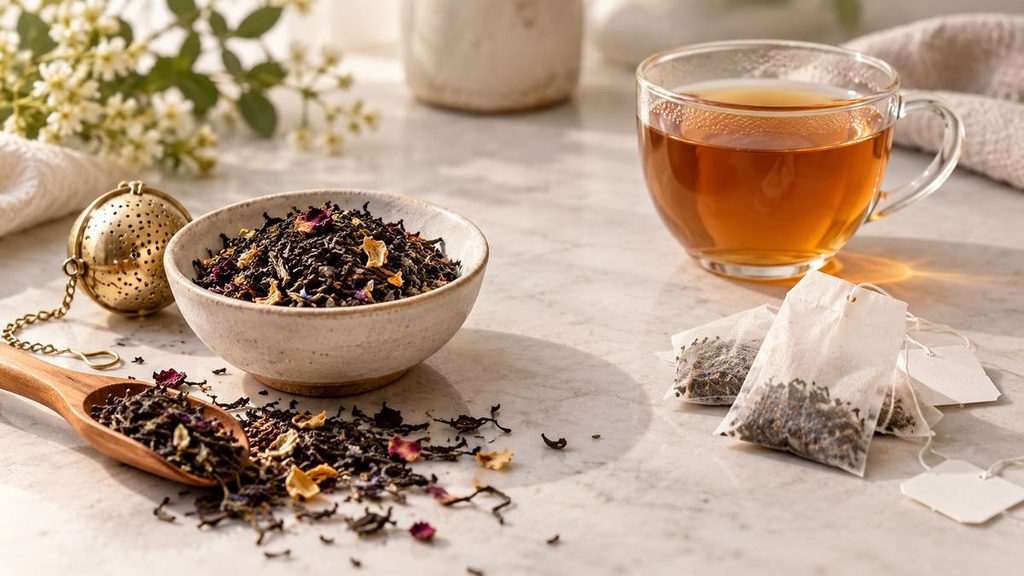
Uva tea is internationally recognized for its distinctive seasonal flavors.
The region’s climatic conditions can produce teas with unusual aromatic qualities.
Flavor characteristics:
- Distinctive aroma
- Brisk taste
- Occasionally mint-like or wintergreen notes
- Refreshing finish
Uva tea is an excellent choice for people who enjoy teas with a more pronounced character.
Best food pairings: Coconut cake, biscuits, savory pastries and light desserts.
4. Uda Pussellawa Tea
Uda Pussellawa is located near Nuwara Eliya and produces teas influenced by the region’s mountain climate.
Its teas can offer a balance between strength and delicate aroma.
Flavor characteristics:
- Medium-bodied
- Occasionally floral
- Pleasantly brisk
- Aromatic
Depending on the season and processing method, these teas may be enjoyed with or without milk.
Best food pairings: Butter biscuits, sandwiches and fruit cakes.
5. Kandy Tea
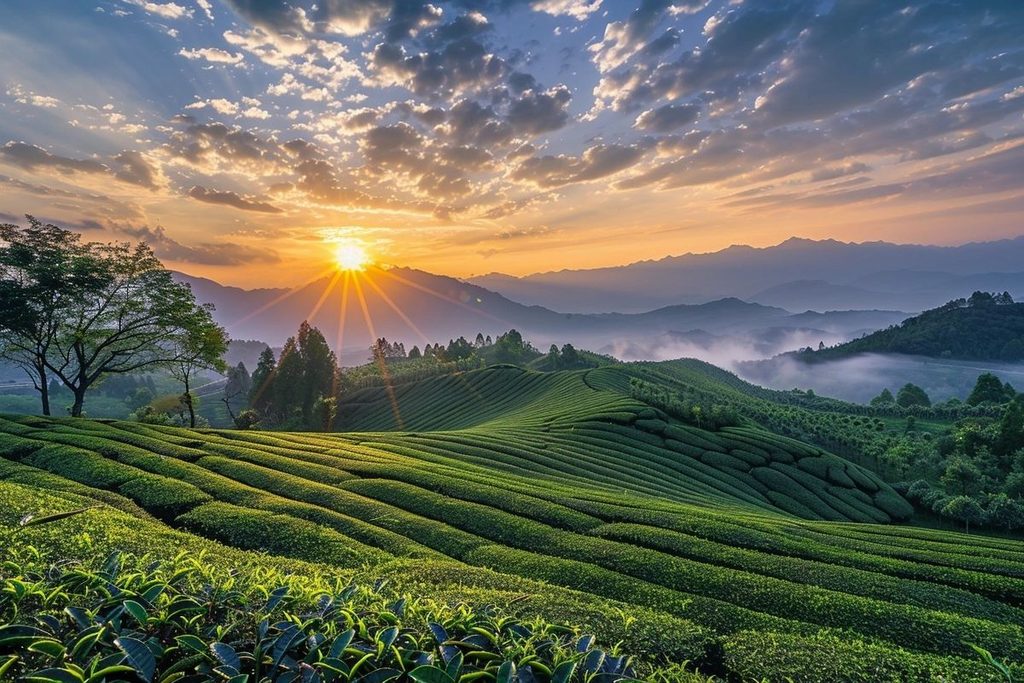
Kandy is associated with the early development of Sri Lanka’s commercial tea industry.
Tea from this region is generally classified as mid-grown.
Flavor characteristics:
- Full-bodied
- Balanced strength
- Rich color
- Brisk taste
Kandy tea is particularly suitable for everyday drinking and can work well with milk.
Best food pairings: Fish buns, vegetable rolls, coconut roti and butter cake.
6. Ruhuna Tea
Ruhuna is a low-grown tea region associated with Southern Sri Lanka.
Its warmer growing conditions contribute to the production of teas that are often strong and richly colored.
Flavor characteristics:
- Strong and full-bodied
- Rich, dark liquor
- Sometimes malty or caramel-like notes
- Bold taste
Ruhuna tea is an excellent choice for people who prefer stronger black tea or milk tea.
Best food pairings: Fish rolls, cutlets, spicy pastries and traditional sweets.
7. Sabaragamuwa Tea
Sabaragamuwa is another important low-grown tea region in Sri Lanka.
Its teas are often appreciated for their rich color and distinctive strength.
Flavor characteristics:
- Full-bodied
- Rich aroma
- Sometimes sweet or caramel-like notes
- Deep-colored liquor
Sabaragamuwa tea is suitable for strong breakfast blends and traditional Sri Lankan milk tea.
Best food pairings: Coconut roti, spicy short eats, jaggery-based sweets and fruit cake.
Comparison of Ceylon Tea Regions
| Tea Region | General Elevation | Typical Flavor | Recommended Serving |
|---|---|---|---|
| Nuwara Eliya | High-grown | Delicate and floral | Without milk |
| Dimbula | High-grown | Bright and refreshing | With or without milk |
| Uva | Varies by estate | Brisk and aromatic | Plain tea |
| Uda Pussellawa | Highland | Aromatic and balanced | With or without milk |
| Kandy | Mid-grown | Full-bodied and brisk | Milk tea |
| Ruhuna | Low-grown | Strong and rich | Milk tea |
| Sabaragamuwa | Low-grown | Rich and full-bodied | Strong black tea or milk tea |
These characteristics are general descriptions. Individual teas may differ according to the estate, season, leaf grade and processing method.
Popular Types of Ceylon Tea
Ceylon Black Tea
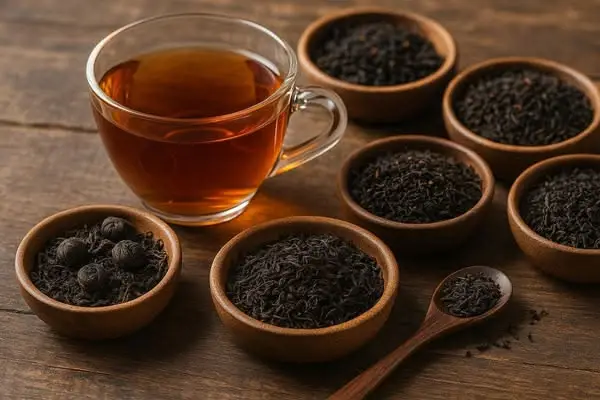
Black tea is the most familiar type of tea produced in Sri Lanka.
The leaves undergo oxidation during processing, which contributes to their darker appearance and distinctive flavor.
Black tea can be enjoyed:
- Without milk
- With milk
- With lemon
- With sugar
- As iced tea
It is commonly used in traditional Sri Lankan tea shops, bakeries, restaurants and hotels.
Ceylon Green Tea
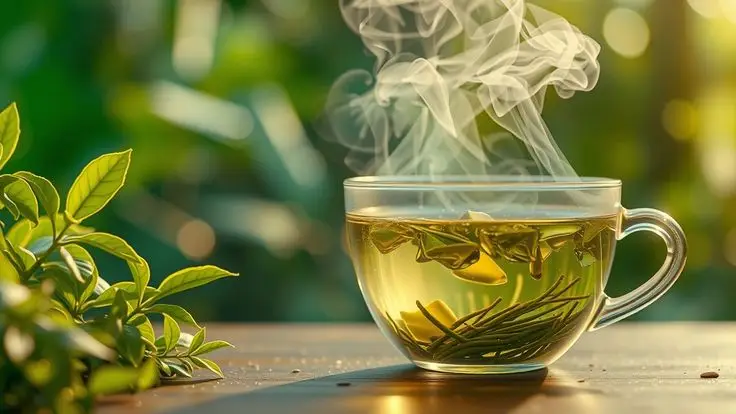
Green tea undergoes less oxidation than black tea.
The processing method helps preserve many of the fresh, vegetal characteristics of the tea leaves.
Ceylon green tea may have grassy, floral or slightly nutty flavors.
It is generally enjoyed without milk.
Ceylon White Tea
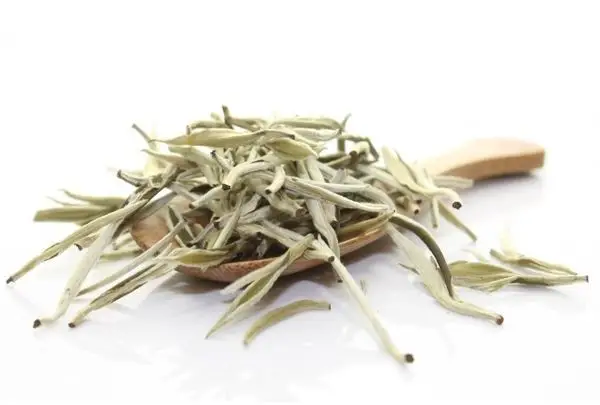
White tea is produced using relatively young tea leaves or buds and minimal processing.
Silver Tips and Golden Tips are examples of specialty teas associated with Sri Lanka.
White tea generally has a delicate flavor and is often sold as a premium product.
It is best enjoyed without strong flavor additions that could overpower its subtle characteristics.
Ceylon Oolong Tea
Oolong tea is partially oxidized, placing it broadly between green and black tea in terms of processing.
Depending on its production method, it can have floral, fruity, roasted or other complex flavors.
Although less common than Ceylon black tea, it provides another option for tea enthusiasts.
Understanding Ceylon Tea Grades
Visitors purchasing Sri Lankan tea may encounter abbreviations such as OP, BOP and BOPF.
These grades primarily describe characteristics such as leaf size, appearance and processing style rather than providing a universal ranking of quality.
| Tea Grade | Full Name | General Characteristics |
|---|---|---|
| OP | Orange Pekoe | Relatively large leaf pieces |
| OPA | Orange Pekoe A | Large, often loosely rolled leaves |
| BOP | Broken Orange Pekoe | Smaller broken leaves |
| BOPF | Broken Orange Pekoe Fannings | Fine particles that brew relatively quickly |
| FBOP | Flowery Broken Orange Pekoe | Broken leaf grade, often containing tips |
| Dust | Tea Dust | Very fine particles, typically quick brewing |
Does Orange Pekoe Taste Like Orange?
No. Orange Pekoe is a traditional tea grading term. It does not mean that the tea contains orange flavoring.
Which Tea Grade Is Best for Milk Tea?
BOP, BOPF and suitable dust grades are often used for strong milk tea because their smaller particles can produce a strong infusion relatively quickly.
However, the quality of the original leaves and the brewing method remain important.
Traditional Sri Lankan Tea Culture
Tea is closely connected to everyday life in Sri Lanka.
Many households prepare tea in the morning, during afternoon breaks and when welcoming visitors.
Offering a cup of tea is a familiar gesture of hospitality.
Tea is also commonly served during business meetings, family gatherings, social occasions and celebrations.
Plain Tea – Kahata
Plain tea, commonly called kahata, is black tea served without milk.
It may be enjoyed with sugar or without sweeteners.
Some people also enjoy plain tea with a small piece of jaggery.
Milk Tea – Kiri The
Sri Lankan milk tea is generally prepared using black tea, milk or milk powder, and sugar according to personal preference.
It is commonly served at local bakeries, restaurants and roadside tea shops.
A strong black tea is often preferred because its flavor remains noticeable after adding milk.
Ginger Tea
Ginger tea combines brewed tea with fresh ginger.
It has a warming, aromatic flavor and is popular among people who enjoy spiced beverages.
Lemon Tea
Lemon tea combines black tea with lemon juice or slices of lemon.
It offers a refreshing, slightly tangy flavor and can be served hot or cold.
How to Brew Ceylon Tea Properly
Different types of tea require different brewing temperatures and times.
The following recommendations are general starting points. Always check the instructions provided by the tea producer.
| Tea Type | Suggested Water Temperature | Brewing Time |
|---|---|---|
| Black Tea | 90–100°C | 3–5 minutes |
| Green Tea | 70–85°C | 2–3 minutes |
| White Tea | 75–85°C | 3–5 minutes |
| Oolong Tea | 80–95°C | 3–5 minutes |
Step 1: Use Fresh Drinking Water
Good-quality drinking water helps produce a clean and pleasant tea flavor.
Step 2: Measure the Tea
Approximately one teaspoon of loose-leaf tea per cup is a useful starting point, although the amount should be adjusted according to leaf size and desired strength.
Step 3: Heat the Water
Use a suitable temperature for the type of tea.
Water that is too hot may produce excessive bitterness in delicate green or white teas.
Step 4: Allow the Tea to Infuse
Follow the recommended brewing time.
Longer brewing does not necessarily produce better tea.
Step 5: Strain and Serve
Remove the tea leaves and serve the tea plain or with your preferred additions.
Best Sri Lankan Foods to Enjoy With Ceylon Tea
Tea and food pairings are an important part of Sri Lankan dining culture.
1. Fish Buns
Soft bread filled with a savory fish-and-potato mixture pairs particularly well with strong milk tea.
2. Fish Rolls
The crispy exterior and spicy filling of a fish roll complement a full-bodied black tea.
3. Butter Cake
Traditional Sri Lankan butter cake is a popular accompaniment to afternoon tea.
Its soft texture and mild sweetness work well with many Ceylon tea varieties.
4. Coconut Roti
Freshly prepared coconut roti can be enjoyed with plain tea or milk tea.
5. Bibikkan
This traditional coconut cake contains rich flavors from coconut, jaggery and spices.
It pairs well with aromatic black tea.
6. Kalu Dodol
The dense texture and sweetness of kalu dodol contrast nicely with unsweetened black tea.
7. Vegetable Patties
Savory vegetable patties are a convenient accompaniment to a cup of strong tea.
8. Kokis
This crispy traditional Sri Lankan snack can be enjoyed with plain tea, particularly during festive occasions.
9. Milk Toffee
The rich sweetness of milk toffee pairs well with unsweetened tea.
10. Jaggery
A small piece of jaggery served alongside plain tea is a traditional combination enjoyed by some Sri Lankan households.
Experiencing High Tea in Sri Lanka
High tea and afternoon tea experiences are available at many Sri Lankan hotels, cafés and resorts.
Although the historical meanings of high tea and afternoon tea differ, Sri Lankan hotels commonly use the term high tea for elaborate afternoon dining experiences.
A hotel high tea menu may include:
- Finger sandwiches
- Scones
- Mini burgers
- Savory pastries
- Cakes
- Desserts
- Fresh fruit
- Ceylon tea
- Coffee
Some establishments offer buffet-style high tea, while others serve tiered stands containing sweet and savory items.
Visitors should check the latest menu, serving times, reservation requirements and applicable charges before visiting.
Where to Experience Ceylon Tea in Sri Lanka
Nuwara Eliya
Nuwara Eliya offers opportunities to experience high-grown tea, plantation landscapes and traditional hotel tea services.
Ella
Ella is surrounded by scenic hill-country landscapes and tea-growing areas. Visitors can explore tea-related experiences alongside other local attractions.
Haputale
Haputale is associated with extensive tea plantations and mountain scenery.
It is an interesting destination for travelers who want to understand Sri Lanka’s tea-growing heritage.
Kandy
Kandy has an important connection to the history of Sri Lanka’s tea industry.
Visitors can explore tea-related attractions and enjoy traditional tea at local cafés.
Galle and Southern Sri Lanka
Southern Sri Lanka produces low-grown teas known for their rich and strong characteristics.
Travelers can explore local tea products and selected plantation experiences.
Colombo
Colombo offers modern tea lounges, specialty tea shops, traditional bakeries and luxury hotel afternoon tea experiences.
How to Identify Genuine Ceylon Tea
When purchasing tea in Sri Lanka, it is worth checking the packaging carefully.
The Sri Lanka Tea Board’s Lion Logo is an important identification mark for qualifying pure Ceylon tea packed in Sri Lanka.
However, the absence of the logo does not automatically mean a product is counterfeit.
What to Check Before Buying
- Country of origin
- Tea producer or brand
- Tea-growing region, if specified
- Leaf grade
- Ingredients
- Packaging condition
- Best-before date
- Lion Logo, where applicable
Some flavored tea products contain additional ingredients, so check the label if you specifically want pure, unflavored tea.
Does Ceylon Tea Contain Caffeine?
Yes. Traditional black, green, white and oolong teas naturally contain caffeine.
The amount depends on several factors, including the tea leaves, serving size, brewing temperature and infusion time.
White or green tea is not necessarily always lower in caffeine than black tea.
People who are sensitive to caffeine may prefer smaller servings, shorter brewing times or suitable decaffeinated products.
Tea also contains naturally occurring plant compounds, including polyphenols. However, drinking tea should not be considered a treatment or substitute for medical care.
How to Store Ceylon Tea
Tea can gradually lose its aroma when exposed to moisture, air, sunlight and strong odors.
To maintain its quality:
- Store tea in an airtight container.
- Keep it in a cool, dry location.
- Avoid direct sunlight.
- Keep tea away from strongly scented spices.
- Use clean, dry utensils.
- Follow the manufacturer’s storage instructions.
Proper storage is particularly important for delicate and premium loose-leaf teas.
Buying Ceylon Tea as a Sri Lankan Souvenir
Ceylon tea is a popular souvenir for international travelers.
It is relatively easy to transport and available in many varieties.
Gift options include loose-leaf tea, tea bags, regional tea collections and specialty tea gift boxes.
If you are buying tea for someone who enjoys strong beverages, a low-grown black tea may be a suitable choice.
For someone who prefers delicate flavors, a high-grown tea from Nuwara Eliya or a specialty white tea may be more appropriate.
Before traveling internationally, check the relevant customs and agricultural import requirements for your destination.
Frequently Asked Questions
What is Ceylon tea?
Ceylon tea is tea grown and produced in Sri Lanka. It includes black tea, green tea, white tea and other specialty varieties.
Why is Sri Lankan tea called Ceylon tea?
Ceylon was the former name of Sri Lanka. The name remains internationally recognized in the tea industry.
What are the seven tea-growing regions of Sri Lanka?
The seven principal tea-growing regions are Nuwara Eliya, Dimbula, Uva, Uda Pussellawa, Kandy, Ruhuna and Sabaragamuwa.
Which Ceylon tea is best for milk tea?
Strong black teas from Ruhuna, Sabaragamuwa and Kandy are often suitable for milk tea. BOP and BOPF grades can also work well.
Which Ceylon tea is best without milk?
Delicate high-grown teas from Nuwara Eliya and selected teas from Dimbula and Uva are enjoyable without milk.
What is the difference between Ceylon black tea and green tea?
Black tea undergoes more oxidation during processing, while green tea is processed to limit oxidation. This creates differences in flavor, aroma and appearance.
Is Ceylon tea naturally caffeine-free?
No. Traditional Ceylon tea naturally contains caffeine unless it has undergone a decaffeination process.
What is the Lion Logo on Ceylon tea?
The Lion Logo is a certification mark associated with qualifying pure Ceylon tea packed in Sri Lanka under Sri Lanka Tea Board requirements.
What food goes well with Sri Lankan tea?
Fish buns, rolls, patties, butter cake, coconut roti, biscuits and traditional Sri Lankan sweets are popular tea accompaniments.
Can tourists visit tea plantations in Sri Lanka?
Yes. Some tea estates and factories offer visitor experiences, tours and tastings. Availability and access arrangements should be confirmed before visiting.
What is the best Ceylon tea?
There is no single best variety for everyone. The ideal tea depends on whether you prefer delicate, floral, strong, malty or full-bodied flavors.
Can Ceylon tea be served cold?
Yes. Ceylon black and green teas can be prepared as refreshing iced beverages, with lemon, fruit or other suitable ingredients.
Final Thoughts
This Ceylon tea guide highlights the remarkable diversity of Sri Lanka’s tea industry and its connection to everyday food culture.
From the delicate high-grown teas of Nuwara Eliya to the strong, full-bodied teas of Ruhuna and Sabaragamuwa, each region offers something distinctive.
For international visitors, experiencing Ceylon tea is an excellent way to discover Sri Lanka’s agricultural heritage and traditional hospitality.
For local tea lovers, exploring different regional varieties can provide a new appreciation for a familiar everyday beverage.
Whether you enjoy a simple cup of plain tea with jaggery, a traditional milk tea with fish rolls, or an elegant afternoon tea at a luxury hotel, Ceylon tea remains an important part of Sri Lanka’s culinary identity.
For more Sri Lankan restaurant menus, traditional food guides, high tea information, dining recommendations and local culinary experiences, visit Menueka.com.