
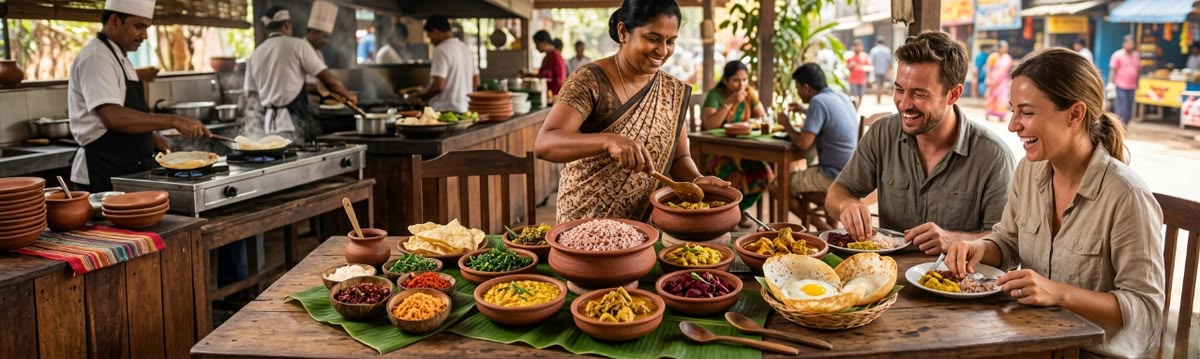
Sri Lankan food for first-time visitors can be one of the most exciting parts of traveling around the island. From fragrant rice and curry to crispy hoppers, freshly prepared seafood and tropical fruit, Sri Lanka offers a remarkable variety of flavors.
However, if you have never visited the country before, ordering food can sometimes feel confusing.
What exactly is rice and curry? Is every Sri Lankan dish spicy? What is the difference between a hopper and a string hopper? Can vegetarians easily find meals? And how do you know what to order at a local restaurant?
The good news is that Sri Lankan cuisine is easier to explore than it might initially appear.
Most traditional meals combine familiar ingredients such as rice, vegetables, coconut milk, lentils, fish and chicken with distinctive local spices and cooking techniques.
This guide explains what first-time visitors should eat in Sri Lanka, how to understand restaurant menus, how to manage spice levels and how to enjoy local dining experiences with confidence.
1. Understanding Sri Lankan Cuisine
Sri Lankan cuisine is shaped by the island’s tropical climate, agricultural traditions, coastal communities and diverse cultural influences.
Rice is a central part of everyday meals, while coconut appears in many forms, including coconut milk, grated coconut and coconut-based sambols.
Common ingredients include:
- Rice
- Coconut milk
- Curry leaves
- Cinnamon
- Turmeric
- Black pepper
- Chili
- Mustard seeds
- Tamarind
- Pandan leaves
- Fresh seafood
Although Sri Lankan cuisine shares some similarities with South Indian food, it has its own distinctive dishes, regional cooking traditions and flavor combinations.
For example, Sri Lankan rice and curry may include several different vegetable curries alongside fish, chicken, dhal and sambol.
Rather than relying on one sauce or seasoning, the meal brings together multiple flavors and textures.
2. Rice and Curry: The Best Place to Start
If you are trying Sri Lankan food for the first time, rice and curry is one of the best meals to order.
Despite its name, rice and curry is not necessarily a single curry served over rice.
It is usually a complete meal featuring rice and several accompaniments.
What Is Included?
A traditional rice-and-curry plate may contain:
- White or red rice
- Dhal curry
- Pumpkin curry
- Green bean curry
- Potato curry
- Coconut sambol
- Papadam
- Fish, chicken or another protein
The exact combination depends on the restaurant.
Why First-Time Visitors Should Try It
Rice and curry provides an introduction to several traditional dishes in one meal.
You can sample mild coconut-based curries, spicier preparations and fresh sambols without ordering everything separately.
Ordering tip: Ask whether the meal is vegetarian, chicken, fish or another variety before ordering.
3. Hoppers: Sri Lanka’s Bowl-Shaped Pancakes
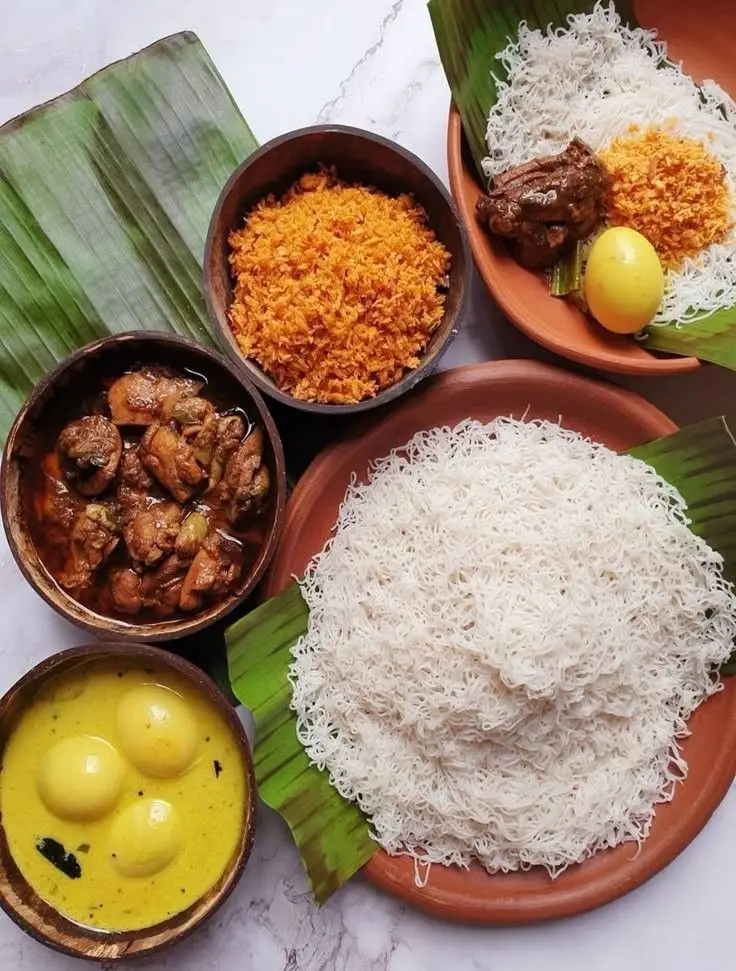
Hoppers are among the most recognizable foods in Sri Lanka.
They are made from fermented rice-flour batter and cooked in a small rounded pan.
The result is a pancake with thin, crispy edges and a soft centre.
Types of Hoppers
Plain hopper: A simple hopper served with sambol or curry.
Egg hopper: A hopper with an egg cooked in the middle.
Sweet hopper: A sweeter variation available at some establishments.
How to Eat Hoppers
Hoppers are commonly eaten by hand.
Break off a piece of the crispy edge and combine it with a little sambol or curry.
For visitors who prefer cutlery, many restaurants can provide it.
4. String Hoppers: A Traditional Breakfast Favorite
String hoppers are different from ordinary hoppers.
They consist of thin rice-flour noodles arranged into small circular nests and steamed.
They are particularly popular for breakfast and dinner.
What to Order With String Hoppers
Popular accompaniments include:
- Dhal curry
- Coconut sambol
- Kiri hodi
- Potato curry
- Fish curry
- Chicken curry
String hoppers themselves are generally mild.
The curries and sambols provide most of the flavor and spice.
This makes them an excellent choice for first-time visitors.
5. Kottu: One of Sri Lanka’s Most Famous Dishes
Kottu is a popular Sri Lankan dish made by chopping flatbread into small pieces and stir-frying it with vegetables, spices and other ingredients.
The preparation often creates a distinctive rhythmic chopping sound.
Popular Kottu Varieties
- Vegetable kottu
- Egg kottu
- Chicken kottu
- Cheese kottu
- Chicken cheese kottu
- Seafood kottu
Which Kottu Should You Try First?
Chicken kottu is a popular starting point.
Vegetarian travelers can choose vegetable kottu, but strict vegetarians should confirm that no egg, meat stock or fish-based seasoning is included.
Ordering tip: Ask for a mild version if you are not accustomed to spicy food.
6. Pol Roti: Traditional Coconut Flatbread
Pol roti is a thick Sri Lankan flatbread made with grated coconut.
It is usually cooked on a hot griddle and served with curries or sambols.
Unlike the thin flatbread used for kottu, pol roti is thicker and more substantial.
Best Accompaniments
- Lunu miris
- Dhal curry
- Coconut sambol
- Fish curry
- Chicken curry
Pol roti is particularly satisfying for breakfast or a light lunch.
7. Kiribath: Sri Lankan Milk Rice
Kiribath is a traditional dish made by cooking rice with coconut milk.
The cooked rice is usually shaped and cut into square or diamond-shaped pieces.
Kiribath has cultural importance in Sri Lanka and is commonly served during celebrations, including the Sinhala and Tamil New Year.
What Does Kiribath Taste Like?
Kiribath is creamy, mildly flavored and filling.
It is often served with lunu miris, a spicy onion-and-chili relish.
The contrast between mild coconut rice and spicy sambol is one of the dish’s defining characteristics.
8. How Spicy Is Sri Lankan Food?
One of the most common questions tourists ask is whether Sri Lankan food is very spicy.
The answer depends on the dish and how it is prepared.
Some traditional curries can be extremely spicy, while others are mild and creamy.
Generally Milder Options
- Plain hoppers
- String hoppers
- Kiribath
- Some dhal curries
- Some potato curries
- Coconut-milk-based vegetable curries
Often Spicier Options
- Lunu miris
- Chili-heavy sambols
- Some fish curries
- Black pork curry
- Devilled dishes
- Certain seafood preparations
How to Ask for Less Spice
You can simply say:
“Can you make it less spicy, please?”
Most restaurants serving tourists will understand this request.
However, some traditional curries are prepared in advance, so the restaurant may not be able to adjust the spice level.
In that situation, choose a milder dish or ask for spicy sambols to be served separately.
9. What Is Pol Sambol?
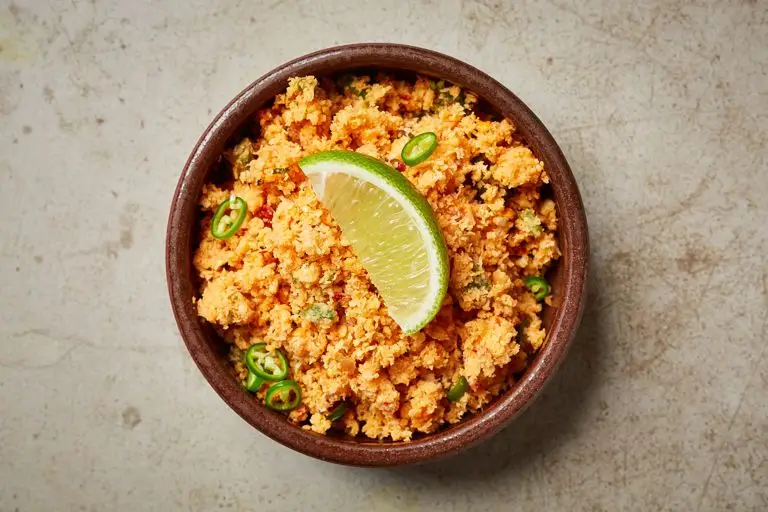
Pol sambol is a traditional Sri Lankan condiment made primarily from freshly grated coconut.
It commonly contains chili, onion, lime and salt.
Some recipes also include Maldive fish.
What Does It Taste Like?
Pol sambol combines freshness, coconut richness, acidity and chili heat.
It is frequently served with:
- Rice
- String hoppers
- Pol roti
- Bread
- Hoppers
For vegetarian or vegan travelers, it is important to ask whether the sambol contains Maldive fish.
10. What Is Lunu Miris?
Lunu miris is a spicy relish commonly made with onion, chili, lime and salt.
Some versions include Maldive fish.
It is particularly popular with kiribath and pol roti.
Is Lunu Miris Very Spicy?
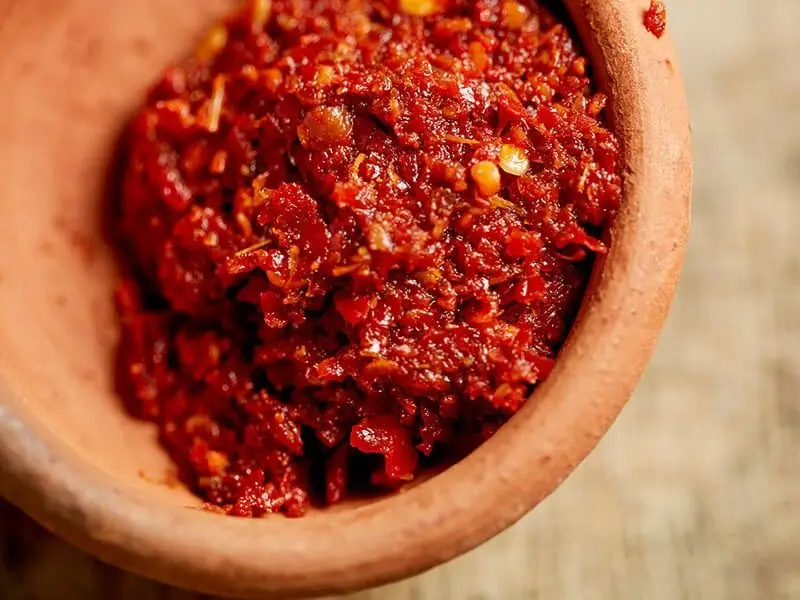
It can be.
First-time visitors should try a small amount before adding more.
11. Sri Lankan Seafood: What Should You Order?
Sri Lanka is surrounded by the Indian Ocean, so seafood plays an important role in many regional cuisines.
Common restaurant choices include:
- Grilled fish
- Fish curry
- Prawns
- Crab
- Cuttlefish
- Lobster
Best Seafood Dishes for Beginners
Grilled fish can be a good starting point because its flavor is relatively familiar.
Prawn curry is another popular choice, particularly for travelers who enjoy coconut-based sauces.
Important Ordering Tip
Some seafood restaurants charge by weight.
Before ordering crab, lobster or whole fish, confirm the total price and portion size.
12. What Is Devilled Food in Sri Lanka?
Devilled dishes are popular at many Sri Lankan restaurants.
Despite the name, they are not necessarily extremely spicy, although some versions can contain significant amounts of chili.
Devilled dishes are typically prepared with ingredients such as:
- Onion
- Capsicum
- Chili
- Tomato-based sauces
- Other seasonings
Popular varieties include devilled chicken, devilled fish, devilled prawns and devilled mushrooms.
They are often served with fried rice or noodles.
13. What Should Vegetarians Eat in Sri Lanka?
Sri Lanka offers many vegetarian-friendly dishes.
Traditional rice-and-curry meals frequently include several vegetable preparations.
Popular Vegetarian Options
- Dhal curry
- Pumpkin curry
- Potato curry
- Jackfruit curry
- Green bean curry
- Beetroot curry
- Plain hoppers
- String hoppers
- Pol roti
- Vegetarian rice and curry
Important Ingredient Warning
Some vegetable dishes contain Maldive fish or fish-based seasonings.
Strict vegetarians should confirm ingredients before ordering.
Vegan travelers should also check for eggs, butter, ghee and dairy products.
14. Understanding Sri Lankan Restaurant Menus
Sri Lankan restaurant menus may contain names unfamiliar to international visitors.
The following explanations can help.
| Menu Term | Meaning |
|---|---|
| Rice and Curry | Rice with several curries and accompaniments |
| Kottu | Chopped flatbread stir-fried with other ingredients |
| Hopper | Bowl-shaped rice-flour pancake |
| String Hopper | Steamed rice-flour noodle nest |
| Pol Roti | Coconut flatbread |
| Parippu | Dhal or lentil curry |
| Pol Sambol | Spicy coconut condiment |
| Lunu Miris | Spicy onion-and-chili relish |
| Mallung | Finely chopped leafy vegetable preparation |
| Polos | Young jackfruit |
| Batu Moju | Sweet-and-sour eggplant preparation |
| Kiribath | Coconut milk rice |
| Kiri Hodi | Coconut-milk-based gravy |
| Wade | Savory fried snack |
Understanding these terms makes ordering easier, especially at smaller local restaurants.
15. How Much Does Food Cost in Sri Lanka?
Food prices vary considerably between local restaurants, tourist cafés and luxury hotels.
For general travel planning, the following illustrative ranges may be useful.
| Meal Type | Approximate Price |
|---|---|
| Local Rice and Curry | LKR 500–1,500 |
| Simple Breakfast | LKR 400–1,200 |
| Kottu | LKR 700–2,000 |
| Casual Restaurant Meal | LKR 1,000–3,000 |
| Tourist Café Meal | LKR 1,500–3,500 |
| Seafood Restaurant Meal | LKR 2,500–6,000+ |
| Premium Restaurant Meal | LKR 4,000–10,000+ |
These are estimated planning ranges rather than verified current menu prices.
Always check the restaurant’s latest menu and whether additional charges apply.
16. Is It Safe to Eat Street Food in Sri Lanka?
Street food is an important part of local food culture.
Popular choices include:
- Fish buns
- Vegetable roti
- Samosas
- Wade
- Isso wade
- Short eats
- Kottu
Food safety depends on the establishment’s preparation, handling and storage practices.
Practical Food Safety Tips
Choose vendors with good hygiene and regular customer traffic.
Prefer freshly cooked food served hot.
Check that cooked foods are protected from flies and contamination.
Drink water from a reliable source.
Be cautious with foods that have been left unrefrigerated for long periods.
These precautions are particularly important for travelers with sensitive stomachs.
17. How to Eat at a Traditional Sri Lankan Restaurant
Many Sri Lankans eat rice and curry using their right hand.
This is a normal part of local dining culture.
However, visitors are not expected to abandon their usual dining habits.
Spoons and forks are commonly available at restaurants.
If You Want to Try Eating by Hand
Wash your hands thoroughly before eating.
Use your fingertips to combine a small portion of rice and curry.
Bring the food gently to your mouth.
Avoid using your left hand to handle shared food.
If you prefer cutlery, simply ask.
18. Restaurant Etiquette in Sri Lanka
Sri Lankan dining culture is generally welcoming and informal.
A few simple practices can improve your experience.
Be Polite to Restaurant Staff
A friendly greeting and respectful communication are always appreciated.
Ask Before Photographing People
Taking photographs of food is generally acceptable, but request permission before photographing staff or other diners.
Confirm Prices
At unfamiliar restaurants, particularly seafood establishments, check prices before ordering.
Understand Service Charges
Some restaurants apply a service charge, while others do not.
Ask whether the displayed menu price includes applicable taxes and charges.
Respect Local Customs
Dress appropriately when dining in religious or culturally sensitive settings.
19. What Should You Drink With Sri Lankan Food?
Sri Lanka offers a variety of drinks that complement traditional meals.
Ceylon Tea
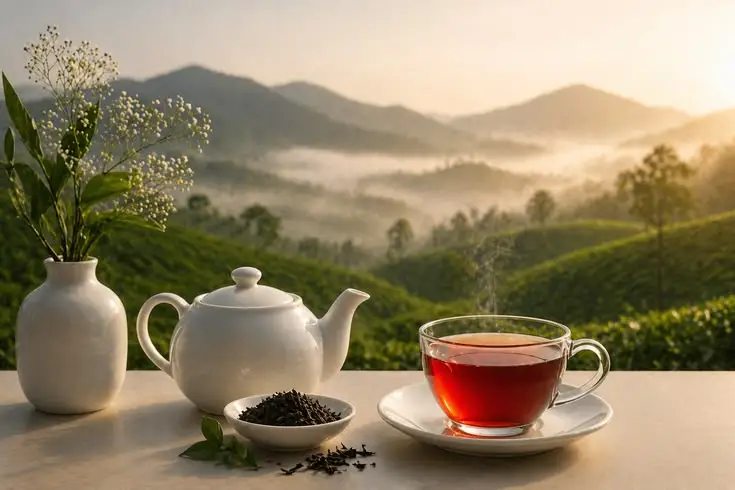
Tea is one of Sri Lanka’s most famous products.
Visitors can enjoy plain tea, milk tea or iced tea depending on the establishment.
King Coconut
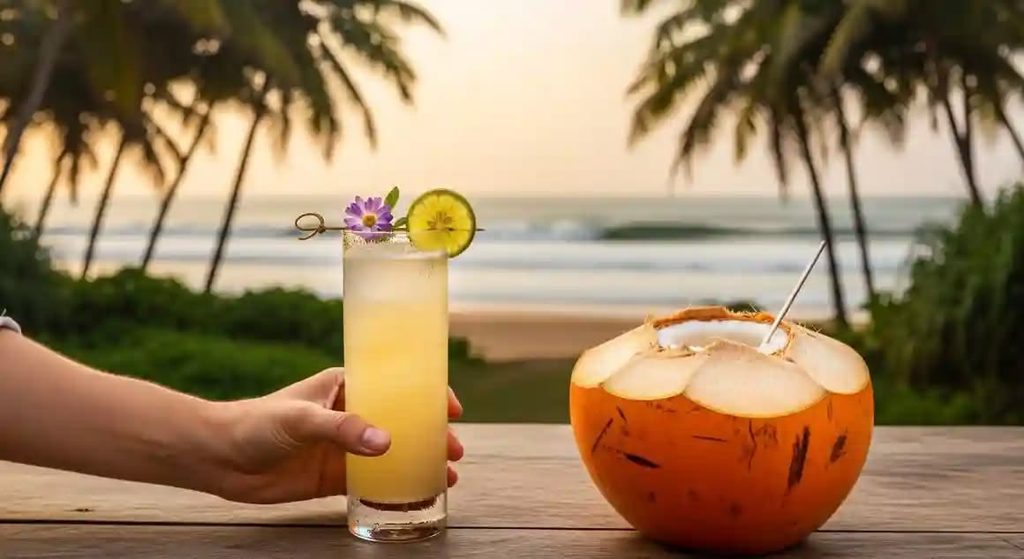
Fresh king coconut is a refreshing tropical drink commonly available throughout the country.
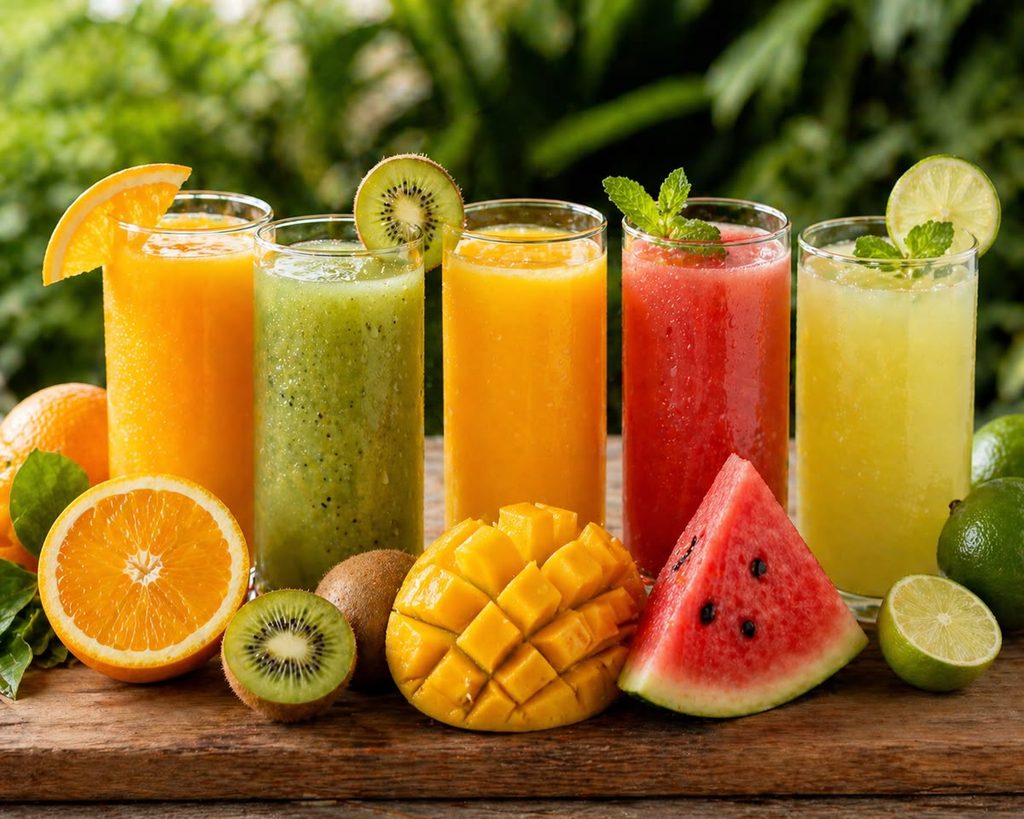
Fresh Fruit Juice
Popular options include mango, pineapple, papaya and watermelon.
Wood Apple Juice
Wood apple juice has a distinctive flavor and texture.
It is worth trying if you enjoy unusual tropical fruit drinks.
Bottled Water
Bottled water is widely available and can be a convenient option while traveling.
20. Regional Sri Lankan Food: What Changes Around the Island?
Sri Lankan cuisine varies by region.
Colombo
Colombo offers traditional Sri Lankan food alongside international cuisines, modern cafés and premium restaurants.
Kandy
Kandy is a good place to explore traditional rice and curry, hoppers, roti and local sweets.
Jaffna
Jaffna has strong Tamil culinary traditions, including dosai, idli, crab curry and regional vegetable preparations.
Galle and the Southern Coast
Southern Sri Lanka is known for seafood, coconut-based dishes and traditional sweets.
Ella
Ella offers a combination of traditional Sri Lankan restaurants and tourist-oriented cafés.
Eastern Sri Lanka
The eastern region has distinctive Muslim and Tamil culinary influences, including biryani, seafood and regional curries.
Trying local specialties in different regions can make a food-focused Sri Lankan journey particularly rewarding.
21. A Simple One-Day Sri Lankan Food Experience
If you only have one day to explore traditional Sri Lankan cuisine, consider the following meal plan.
Breakfast
String hoppers with dhal curry and coconut sambol.
Morning Drink
Fresh king coconut.
Lunch
Traditional rice and curry with several vegetable dishes and your preferred protein.
Afternoon Snack
A fish bun, vegetable roti or another freshly prepared short eat.
Dinner
Chicken or vegetable kottu.
Dessert
Watalappan or curd with treacle.
This combination introduces several different cooking styles without requiring an elaborate restaurant itinerary.
Frequently Asked Questions
What is the best Sri Lankan food for first-time visitors?
Rice and curry, hoppers, string hoppers, kottu and pol roti are excellent starting points because they represent different aspects of traditional Sri Lankan cuisine.
Is Sri Lankan food always spicy?
No. Some curries and sambols are very spicy, but dishes such as string hoppers, kiribath and many coconut-based curries are mild.
What is the national food of Sri Lanka?
Rice and curry is widely regarded as Sri Lanka’s signature everyday meal, although there is no need to treat it as a formally designated national dish.
Can tourists eat Sri Lankan food with a spoon?
Yes. Cutlery is commonly available, and visitors can eat in whichever way is comfortable.
Is Sri Lankan food suitable for vegetarians?
Yes. Sri Lankan cuisine includes many vegetable curries, lentil dishes and rice-based meals. However, check for Maldive fish and other animal-derived ingredients.
What should I order at a Sri Lankan restaurant?
For your first meal, consider chicken or vegetarian rice and curry. You can then explore hoppers, string hoppers, kottu and regional specialties.
Is Sri Lankan street food safe?
Food safety varies by vendor. Choose hygienic establishments, freshly prepared food and reliable drinking water.
How much should I budget for food in Sri Lanka?
A budget traveler eating mostly local meals might plan for approximately LKR 2,500–4,500 per day, while café dining and premium restaurants can increase the total substantially.
Final Thoughts
Exploring Sri Lankan food for first-time visitors is an opportunity to discover much more than spicy curries.
The country’s cuisine includes delicate coconut-based dishes, hearty rice meals, crispy pancakes, flavorful flatbreads, fresh seafood and distinctive tropical desserts.
You do not need to understand every menu item before arriving.
Start with familiar options such as rice and curry, hoppers or kottu, and gradually explore regional specialties.
Ask restaurant staff about ingredients and spice levels, try different accompaniments and take time to appreciate the variety of local flavors.
Whether you are enjoying a simple breakfast in Kandy, a seafood dinner in Galle or a traditional rice-and-curry lunch in Colombo, food can become one of the most memorable parts of your Sri Lankan journey.
For more Sri Lankan restaurant menus, food prices, dining recommendations and local food guides, visit Menueka.com.