
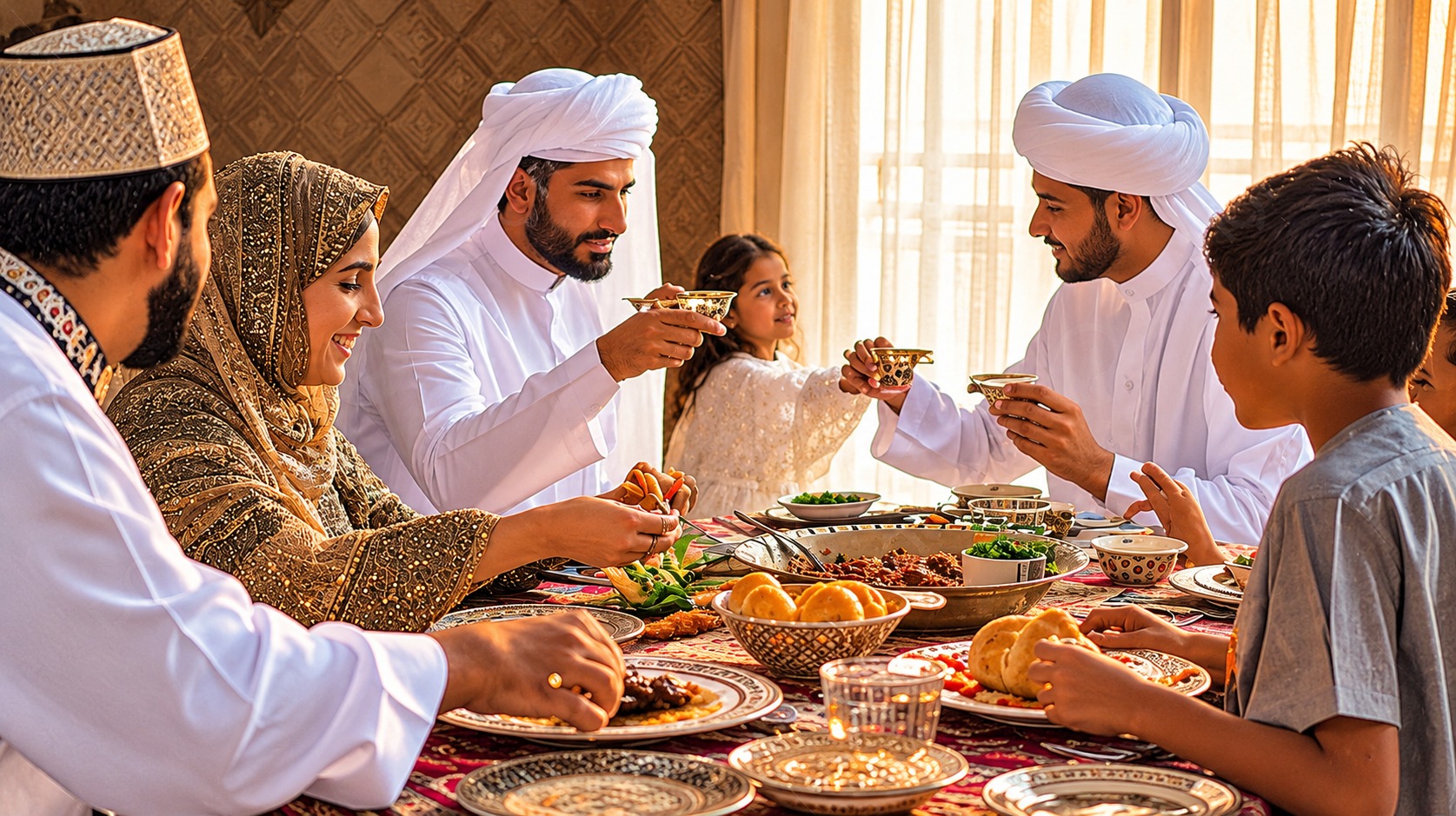
Sri Lankan Muslim food represents an important part of the island’s multicultural culinary heritage. From aromatic biryani and richly flavored meat curries to traditional desserts and festive rice dishes, Muslim communities have contributed significantly to the diversity of Sri Lankan cuisine.
Influenced by local ingredients, South Asian cooking traditions, historical trade connections and generations of family recipes, Sri Lankan Muslim cuisine offers a distinctive combination of flavors, textures and aromas.
Coconut milk, rice, meat, onions, aromatic spices and jaggery are frequently used to create memorable meals.
Muslim culinary traditions are particularly visible in areas such as Colombo, Beruwala, Kattankudy, Kalmunai, Akkaraipattu, Puttalam and parts of Kandy.
Whether you are a local food enthusiast or an international traveler exploring Sri Lanka, discovering these dishes provides an opportunity to experience another fascinating side of the country’s food culture.
What Makes Sri Lankan Muslim Food Unique?
Sri Lankan Muslim cuisine reflects a combination of local and international culinary influences.
Sri Lankan Moor, Malay and other Muslim communities have developed their own food traditions, with considerable variation between regions and households.
Some of the distinguishing characteristics include:
- Aromatic rice dishes prepared with spices
- Rich chicken, beef and mutton curries
- Traditional coconut-based desserts
- Flatbreads served with flavorful gravies
- Special dishes prepared during Ramadan
- Elaborate meals served at weddings and celebrations
- Halal food preparation according to Islamic dietary requirements
Although some dishes are also popular among other Sri Lankan communities, their preparation and cultural significance can differ.
1. Sri Lankan Muslim Biryani
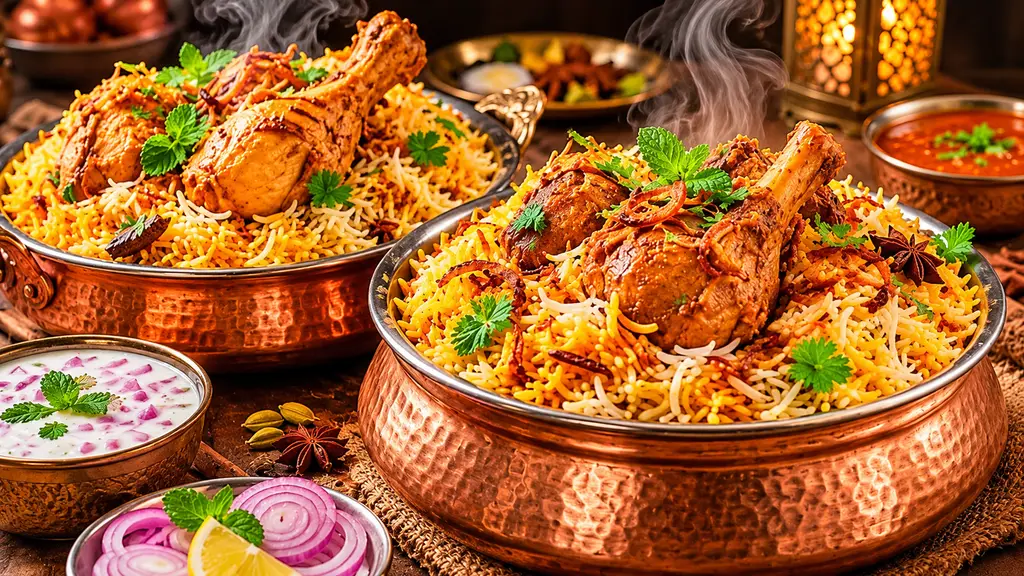
Biryani is one of the most recognizable dishes associated with Sri Lankan Muslim cuisine.
It is particularly popular at weddings, religious celebrations, family gatherings and special occasions.
Unlike ordinary steamed rice, biryani is prepared with aromatic spices and other ingredients that give the rice a rich flavor.
Common Ingredients
- Basmati or other suitable rice varieties
- Chicken, beef or mutton
- Cinnamon
- Cardamom
- Cloves
- Ginger and garlic
- Fried onions
- Ghee or cooking oil
- Fresh herbs and spices
Traditional Accompaniments
Biryani may be served with boiled eggs, onion salad, meat gravy, pineapple preparations or other accompaniments.
The exact combination depends on the restaurant or family recipe.
What Makes It Special?
Sri Lankan Muslim biryani often combines aromatic rice with strongly seasoned meat and local accompaniments.
It is an excellent starting point for anyone exploring Muslim food traditions in Sri Lanka.
2. Watalappan
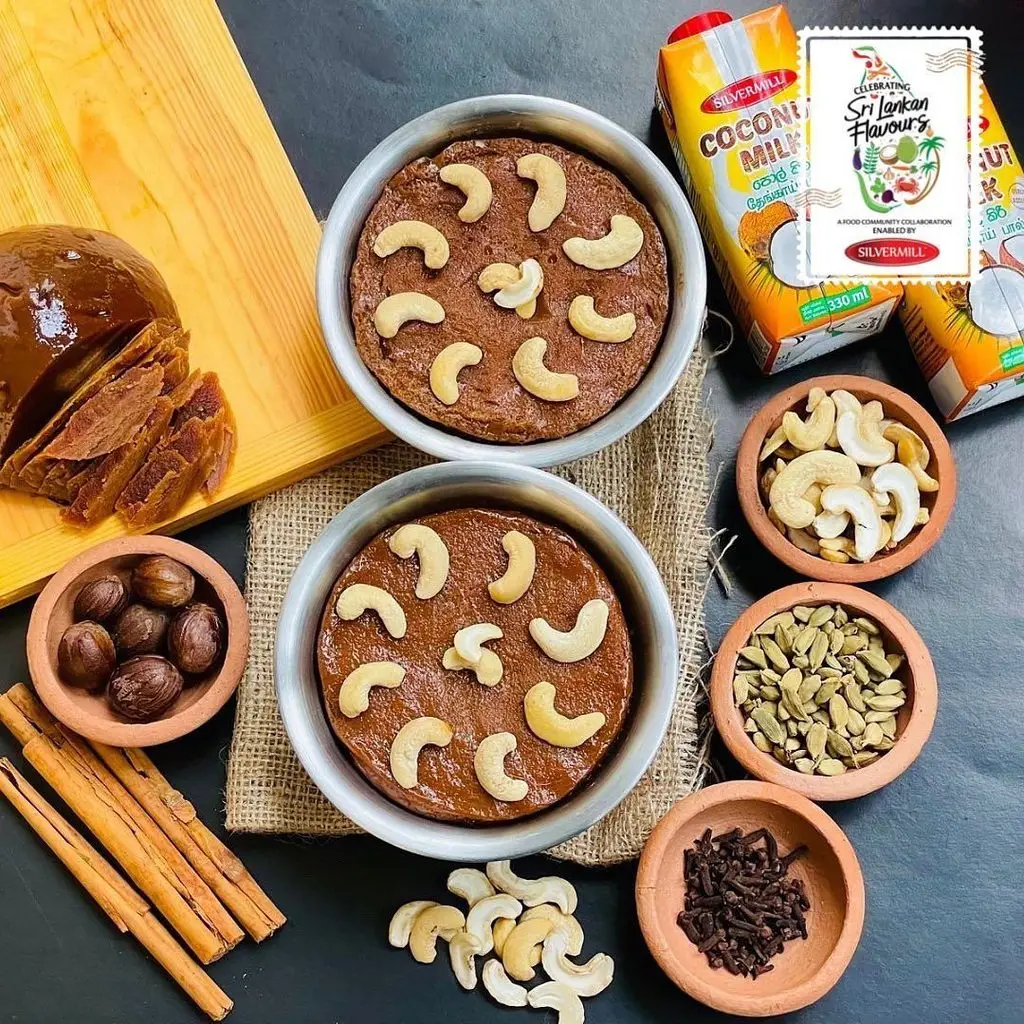
Watalappan is one of Sri Lanka’s most famous traditional desserts.
It is particularly associated with the country’s Muslim communities, including Sri Lankan Malay culinary traditions.
This rich coconut custard is commonly prepared for celebrations, weddings and Eid gatherings.
Main Ingredients
- Coconut milk
- Kithul jaggery or another suitable jaggery
- Eggs
- Cardamom
- Nutmeg
- Cashew nuts in some recipes
The ingredients are combined and traditionally steamed or baked until the custard sets.
What Does Watalappan Taste Like?
Watalappan has a rich caramel-like sweetness, a soft texture and a distinctive spice aroma.
The combination of coconut milk and jaggery gives it a flavor that differs from ordinary caramel pudding.
It is particularly enjoyable when served chilled after a substantial meal.
3. Sawan Biryani
Sawan biryani is a communal way of serving biryani rather than an entirely separate rice dish.
A large portion of biryani is presented on a shared platter, allowing several people to enjoy the meal together.
The word sawan is associated with the large serving platter.
Why Is Sawan Biryani Popular?
Communal dining reflects the importance of hospitality, family gatherings and sharing food.
Sawan meals are particularly associated with celebrations and group dining.
Restaurants and catering businesses may offer sawan packages containing rice, meat, eggs and additional accompaniments.
When ordering, confirm how many people the platter is intended to serve, as portion sizes vary.
4. Sri Lankan Muslim Beef Curry
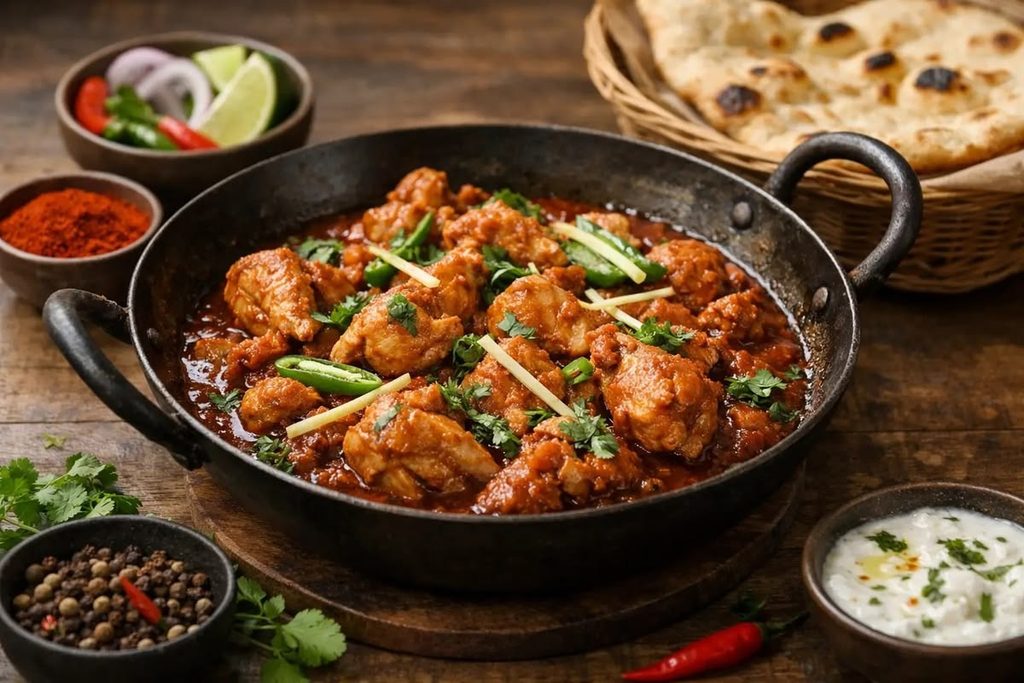
Beef curry is an important dish in many Sri Lankan Muslim households.
It is often prepared using a combination of roasted spices, onions, garlic and other aromatic ingredients.
Flavor Characteristics
A traditional beef curry can be:
- Rich and aromatic
- Moderately or strongly spicy
- Thick and concentrated
- Deeply flavored from slow cooking
Some recipes include coconut milk, while others rely on spices and the natural juices of the meat.
Best Accompaniments
Beef curry can be enjoyed with rice, parotta, pittu, string hoppers or bread.
The combination of freshly prepared parotta and beef curry is particularly satisfying for diners who enjoy rich gravies.
5. Mutton Curry
Mutton curry is frequently associated with festive meals and special occasions.
The meat is cooked with spices until tender, allowing the gravy to develop a rich flavor.
Common Ingredients
- Mutton
- Onion
- Ginger
- Garlic
- Chili powder
- Curry powder
- Cinnamon
- Cardamom
- Curry leaves
Preparation methods vary between families and regions.
Mutton curry may be served alongside biryani, ghee rice, parotta or traditional rice-and-curry meals.
Because mutton is often more expensive than chicken, it may be reserved for special occasions in some households.
6. Ghee Rice
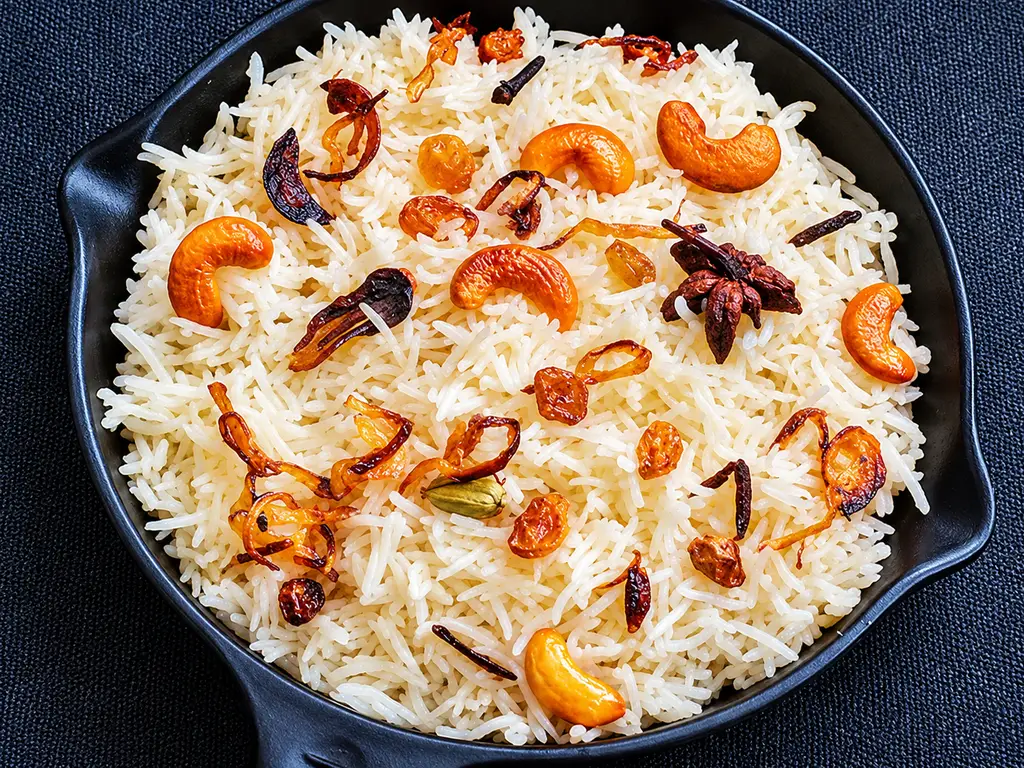
Ghee rice is an aromatic rice preparation cooked with clarified butter and selected spices.
It is commonly associated with festive South Asian meals, including those enjoyed by Sri Lankan Muslim communities.
Typical Ingredients
- Rice
- Ghee
- Cinnamon
- Cardamom
- Cloves
- Onion
- Cashew nuts or raisins in some preparations
Unlike biryani, ghee rice is generally prepared without a substantial meat component mixed into the rice.
It is often served alongside separately prepared meat curries and other accompaniments.
Best Food Pairings
Ghee rice pairs particularly well with chicken curry, beef curry, mutton curry, dhal and onion-based salads.
7. Parotta
Parotta is a layered flatbread popular in Muslim and Tamil food establishments throughout Sri Lanka.
The dough is stretched, folded and cooked on a hot surface to create its characteristic layers.
What Makes Parotta Different?
Compared with ordinary flatbread, parotta generally has a softer interior and a layered, slightly flaky texture.
It absorbs rich curry gravies particularly well.
Popular Accompaniments
- Beef curry
- Chicken curry
- Mutton curry
- Dhal curry
- Vegetable curry
Parotta is commonly enjoyed for dinner, although it may also be available at other times of the day.
8. Chicken Curry
Chicken curry is a familiar everyday dish in Sri Lankan Muslim households.
It can also form part of wedding meals, biryani platters and festive dining experiences.
The chicken is typically cooked with onions, ginger, garlic and a combination of spices.
Some preparations use coconut milk, while others have a thicker, more concentrated gravy.
Why Try It?
Chicken curry is a convenient introduction to Sri Lankan Muslim cooking because it is widely familiar and can be prepared in several styles.
It can be enjoyed with rice, bread, parotta, string hoppers or pittu.
The spice level varies considerably, so visitors who prefer mild food should ask before ordering.
9. Ramadan Kanji
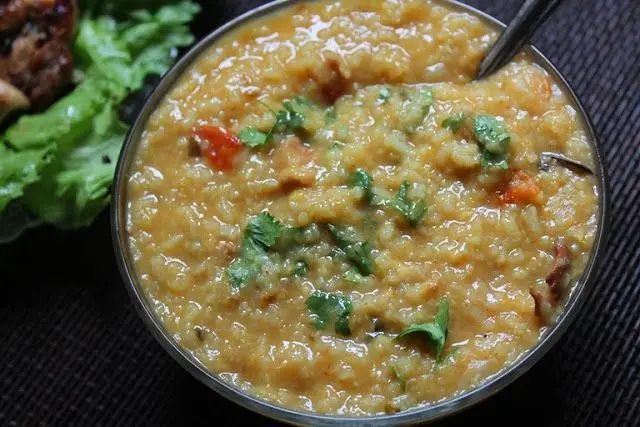
Kanji is a rice-based porridge particularly associated with Ramadan in many Sri Lankan Muslim communities.
It is commonly prepared for iftar, the meal that breaks the daily fast during Ramadan.
Common Ingredients
Depending on the recipe, kanji may include:
- Rice
- Coconut milk
- Garlic
- Ginger
- Fenugreek
- Onion
- Chicken or other meat
- Selected spices
Vegetarian versions are also possible.
What Makes Kanji Special?
Kanji has a soft, comforting consistency and is often enjoyed warm.
Its importance extends beyond its ingredients because it is associated with community gatherings, charitable food distribution and Ramadan traditions.
Different households and mosques may prepare their own versions.
10. Samosa
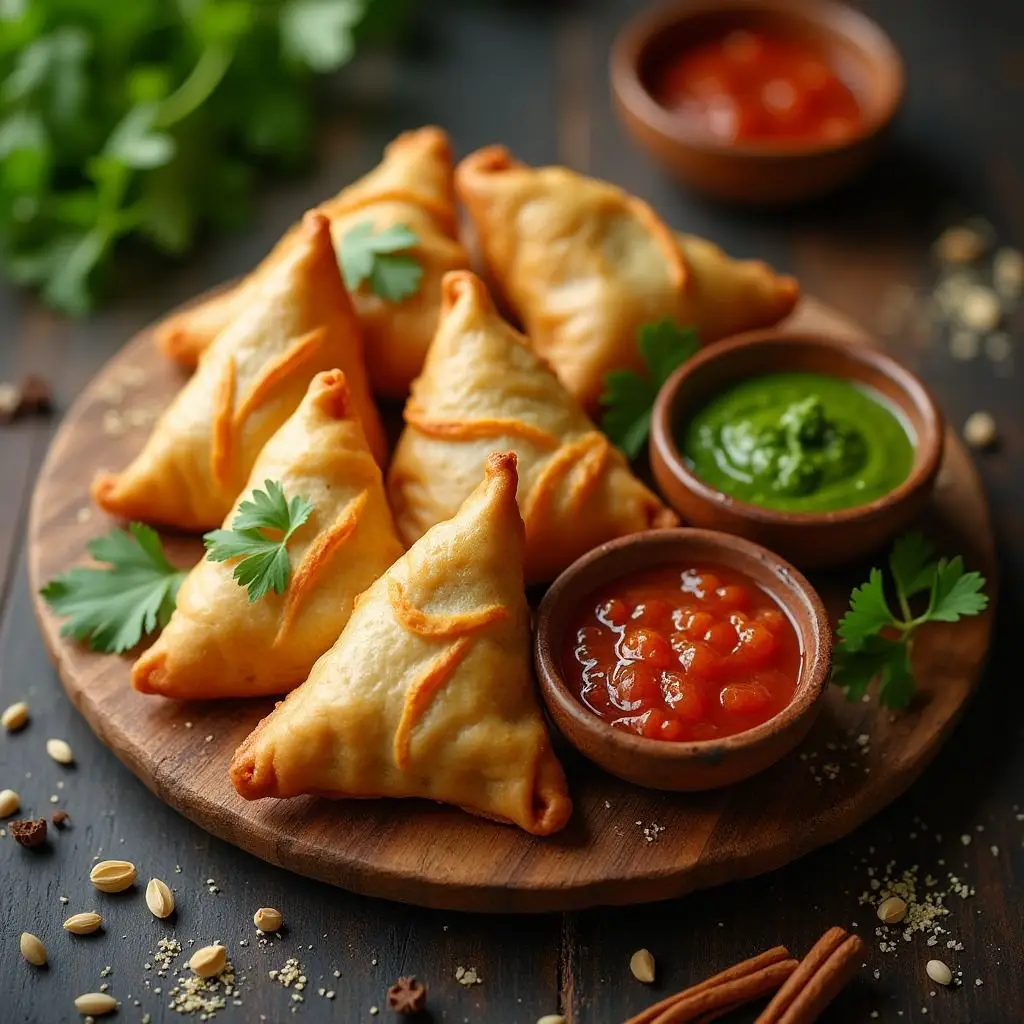
Samosas are popular savory snacks enjoyed throughout Sri Lanka.
They are particularly familiar at Muslim food establishments and during Ramadan gatherings.
A samosa consists of a pastry shell filled with a seasoned mixture and cooked until crisp.
Popular Fillings
- Chicken
- Beef
- Mutton
- Potato
- Vegetables
Samosas may be served with chili sauce, chutney or another dipping sauce.
They are suitable as an afternoon snack, appetizer or accompaniment to an iftar meal.
Vegetarian customers should confirm the filling and cooking arrangements before purchasing.
11. Sri Lankan Malay Achcharu
Malay achcharu is a sweet, sour and spicy pickle associated with Sri Lankan Malay cuisine.
It is prepared using vegetables, vinegar, mustard and other seasonings.
Some versions also contain dates, which contribute sweetness and richness.
Common Ingredients
- Carrots
- Onions
- Green chilies
- Dates
- Vinegar
- Mustard
- Sugar
- Spices
The exact combination varies according to the recipe.
How Is It Served?
Malay achcharu is generally served in small portions alongside rice, meat curries and festive meals.
Its tangy flavor helps balance rich dishes and adds a contrasting texture.
It is also enjoyed by many Sri Lankans outside the Malay community.
12. Babath Curry
Babath curry is a traditional preparation made using tripe, the edible stomach lining of cattle.
It is associated with several Sri Lankan culinary traditions, including Muslim cooking.
The tripe is cleaned and cooked with aromatic spices until tender.
Flavor and Texture
Babath has a distinctive texture and absorbs the flavors of the curry gravy.
It is often prepared with a strong spice mixture.
Best Accompaniments
Babath curry can be served with parotta, bread, pittu or rice.
Although it may be unfamiliar to some international visitors, it is an interesting option for adventurous diners who enjoy traditional meat preparations.
Choose an establishment with good food hygiene practices when trying this dish.
13. Musket
Musket is a traditional confection associated with Sri Lankan Muslim food businesses and festive sweet-making traditions.
It is generally a dense, glossy, chewy sweet.
Recipes may use starch, sugar, ghee, nuts and flavorings.
Some versions have a bright color, while others have a more natural appearance.
When Is Musket Enjoyed?
Musket may be served during celebrations, offered to guests or purchased from traditional sweet shops.
Its rich sweetness makes it particularly suitable for enjoying in small portions with unsweetened Ceylon tea.
14. Faluda
Faluda, also spelled falooda, is a popular sweet beverage and dessert enjoyed in Sri Lanka.
Although it is not exclusive to Muslim cuisine, it is commonly associated with South Asian food traditions and can be found at many Muslim food establishments.
Common Ingredients
- Milk
- Rose syrup
- Basil seeds
- Jelly
- Ice cream
- Vermicelli in some versions
What Does Faluda Taste Like?
Faluda is generally sweet, creamy and fragrant.
The combination of milk, syrup, seeds and other ingredients creates several different textures.
It is particularly refreshing in Sri Lanka’s warm climate and can be enjoyed after a spicy meal.
15. Traditional Halwa
Halwa refers to a broad family of sweets found throughout South Asia and other regions.
Sri Lankan Muslim communities prepare and enjoy different forms of halwa, particularly during celebrations and special occasions.
Common Ingredients
Depending on the variety, halwa may contain:
- Semolina
- Flour or starch
- Sugar
- Ghee
- Cardamom
- Nuts
- Milk
Some varieties are soft and spoonable, while others are firm enough to cut into individual portions.
Halwa is often enjoyed with tea or served as part of a festive sweet selection.
Sri Lankan Muslim Food Comparison Table
| Traditional Dish | Food Type | Main Characteristics |
|---|---|---|
| Muslim Biryani | Rice dish | Aromatic rice and seasoned meat |
| Watalappan | Dessert | Coconut and jaggery custard |
| Sawan Biryani | Shared meal | Communal biryani platter |
| Beef Curry | Main course | Rich and spicy meat gravy |
| Mutton Curry | Main course | Tender meat and aromatic spices |
| Ghee Rice | Rice dish | Fragrant rice cooked with ghee |
| Parotta | Flatbread | Soft and layered texture |
| Chicken Curry | Main course | Spiced chicken and gravy |
| Ramadan Kanji | Porridge | Soft, savory rice preparation |
| Samosa | Snack | Crispy pastry with savory filling |
| Malay Achcharu | Pickle | Sweet, sour and spicy vegetables |
| Babath Curry | Main course | Traditional tripe curry |
| Musket | Sweet | Dense and chewy confection |
| Faluda | Beverage and dessert | Sweet, creamy and refreshing |
| Halwa | Dessert | Rich traditional sweet |
Traditional Sri Lankan Muslim Wedding Food
Food plays an important role in many Sri Lankan Muslim weddings.
Wedding meals are often prepared to accommodate large numbers of guests and may feature dishes associated with hospitality and celebration.
A traditional wedding menu may include:
- Chicken or mutton biryani
- Ghee rice
- Beef or chicken curry
- Boiled eggs
- Onion salad
- Malay achcharu
- Watalappan
- Traditional sweets
- Fresh beverages
Some weddings serve food on individual plates, while others may incorporate shared dining arrangements.
Modern wedding menus can also include international dishes, buffet stations and contemporary desserts.
There is no single standard Muslim wedding menu in Sri Lanka, as traditions differ between families, regions and budgets.
Popular Sri Lankan Muslim Food During Ramadan
Ramadan is an important religious period for Muslims.
During this month, Muslims who observe the fast refrain from eating and drinking between dawn and sunset.
Two important meals are suhoor, eaten before dawn, and iftar, eaten after sunset.
Traditional Iftar Foods
Iftar may include dates, water, kanji, samosas, fruit, savory snacks and other dishes.
After breaking the fast, families may enjoy a more substantial meal containing rice, curries or flatbreads.
Traditional Suhoor Foods
Suhoor meals vary according to personal preferences and household traditions.
Rice, curries, bread, eggs, porridge and other filling foods may be included.
Community Food Traditions
In some Sri Lankan Muslim communities, food is prepared and shared through mosques, charitable organizations and neighborhood gatherings.
These traditions emphasize generosity, hospitality and community relationships.
Traditional Food During Eid Celebrations
Eid celebrations provide another opportunity to experience Sri Lankan Muslim culinary traditions.
Families may prepare special meals and invite relatives, friends and neighbors to share food.
Popular festive dishes include biryani, meat curries, ghee rice, watalappan, halwa and other sweets.
Food traditions associated with Eid al-Fitr and Eid al-Adha can differ according to the occasion and household.
Sharing meals with guests is an important expression of hospitality.
Where Sri Lankan Muslim Food Traditions Are Found
Muslim culinary traditions are present throughout Sri Lanka, with distinctive regional variations.
Colombo
Colombo has a diverse food culture, including long-established Muslim restaurants, bakeries and traditional food businesses.
Biryani, parotta, meat curries, samosas and faluda are among the dishes associated with the city’s Muslim dining scene.
Kattankudy
Kattankudy, in the Batticaloa District, is home to a significant Muslim community.
Its food culture includes traditional rice dishes, meat preparations, snacks and festive foods.
Kalmunai and Akkaraipattu
These Eastern Province towns have strong Muslim culinary traditions influenced by local ingredients and regional cooking practices.
Biryani, seafood, meat curries and traditional sweets form part of the area’s diverse food culture.
Beruwala
Beruwala has a long-established Muslim community and historical connections to maritime trade.
Its culinary traditions reflect both coastal ingredients and wider Sri Lankan Muslim food practices.
Puttalam
Puttalam is another area with established Muslim communities and a variety of regional food traditions.
Rice dishes, seafood, meat curries and festive preparations contribute to its culinary identity.
Kandy and Akurana
Kandy and surrounding areas, including Akurana, have diverse dining traditions.
Muslim food businesses in these areas may offer biryani, parotta, meat curries and traditional snacks.
Is Sri Lankan Muslim Food Halal?
Muslim food traditions generally follow Islamic dietary requirements.
However, customers should not assume that every restaurant serving Muslim-style dishes is halal-certified or follows identical preparation practices.
Halal considerations may include:
- The source and preparation of meat
- Ingredients used in sauces and seasonings
- The absence of prohibited ingredients
- Food preparation and handling practices
Customers who require halal food should confirm the restaurant’s current halal status and preparation practices directly.
A dish such as chicken biryani is not automatically halal simply because it is associated with Muslim cuisine.
Is Sri Lankan Muslim Food Spicy?
Sri Lankan Muslim cuisine includes both mild and strongly spiced dishes.
Biryani, ghee rice and certain coconut-based preparations may be relatively mild, while some beef and mutton curries contain considerable chili.
Spice levels depend on the individual recipe.
Visitors who prefer mild food can consider ghee rice, plain parotta, suitable chicken preparations and traditional desserts.
When ordering, ask whether the curry can be served separately so that you can control the amount of spicy gravy added to your meal.
Is Vegetarian Sri Lankan Muslim Food Available?
Although meat dishes are prominent in many Muslim culinary traditions, vegetarian options are also available.
Possible choices include:
- Vegetable samosas
- Dhal curry
- Vegetable parotta meals
- Vegetarian rice dishes
- Vegetable curries
- Malay achcharu
- Selected traditional sweets
Vegetarians should confirm whether rice has been cooked in meat stock or whether dishes contain fish-based seasonings.
Vegan customers should also check for eggs, milk, ghee and other animal-derived ingredients.
Sri Lankan Muslim Food vs Indian Muslim Food
Sri Lankan and Indian Muslim cuisines share several dishes and cooking traditions, including biryani, samosas, meat curries and halwa.
However, Sri Lankan preparations often incorporate ingredients and flavors associated with the island’s broader cuisine.
| Feature | Sri Lankan Muslim Cuisine | Indian Muslim Cuisine |
|---|---|---|
| Rice dishes | Local biryani styles and ghee rice | Numerous regional biryani styles |
| Coconut milk | Used in selected curries and desserts | Usage varies considerably by region |
| Traditional desserts | Watalappan, musket and halwa | Halwa, kheer, sheer khurma and others |
| Flatbreads | Parotta and roti | Naan, roti, paratha and others |
| Accompaniments | Local pickles, sambols and salads | Regional chutneys, pickles and raita |
Both cuisines are highly diverse, so these comparisons represent general examples rather than fixed differences.
How Much Does Sri Lankan Muslim Food Cost?
The cost of Muslim food in Sri Lanka depends on the restaurant, ingredients, portion size and location.
Everyday meals such as parotta with curry or vegetable snacks are generally more affordable than elaborate biryani platters and premium meat dishes.
Mutton biryani, large sawan meals and special catering packages may cost more because of their ingredients and preparation requirements.
When comparing restaurant menus, check whether the advertised price includes accompaniments, delivery fees and applicable restaurant charges.
For accurate information, consult the establishment’s latest menu before ordering.
A One-Day Sri Lankan Muslim Food Experience
Visitors interested in exploring these culinary traditions can enjoy a variety of dishes throughout the day.
| Time | Suggested Food |
|---|---|
| Breakfast | Parotta with dhal or chicken curry |
| Morning Snack | Samosa with Ceylon tea |
| Lunch | Chicken or mutton biryani |
| Afternoon | Faluda or traditional sweets |
| Dinner | Ghee rice with beef curry and Malay achcharu |
| Dessert | Watalappan |
This suggested dining plan introduces several different flavors without requiring a formal celebration or special event.
Tips for Enjoying Sri Lankan Muslim Cuisine
Try Traditional Food Businesses
Local restaurants, bakeries and specialty food suppliers can provide opportunities to discover traditional dishes.
Ask About Portion Sizes
Biryani platters and sawan meals may be designed for multiple people.
Confirm serving sizes before ordering.
Explore Different Regional Styles
Muslim food traditions in Colombo, the Eastern Province and other regions are not necessarily identical.
Trying different preparations can help you appreciate this diversity.
Confirm Dietary Requirements
Ask about halal status, allergens and ingredients before ordering if you have specific dietary needs.
Do Not Miss Traditional Desserts
Watalappan, musket and halwa offer a distinctive introduction to Sri Lankan festive food traditions.
Respect Religious Customs
During Ramadan, restaurant operating hours and food availability may change in some communities.
Be respectful of local customs and confirm opening hours before visiting.
Frequently Asked Questions
What is traditional Sri Lankan Muslim food?
Traditional Sri Lankan Muslim food includes biryani, ghee rice, meat curries, parotta, Ramadan kanji, watalappan and various traditional sweets.
What is the most famous Sri Lankan Muslim dessert?
Watalappan is one of the best-known desserts associated with Sri Lankan Muslim culinary traditions. It is prepared using coconut milk, jaggery, eggs and aromatic spices.
What is sawan biryani?
Sawan biryani is biryani served on a large communal platter intended for sharing among several diners.
What do Sri Lankan Muslims eat during Ramadan?
Ramadan meals may include dates, kanji, samosas, fruit, rice, curries and other foods. Traditions vary between households.
What food is served at Sri Lankan Muslim weddings?
Wedding menus often include biryani, ghee rice, meat curries, boiled eggs, salads, pickles, watalappan and other desserts.
Is all Sri Lankan Muslim food halal?
Muslim culinary traditions generally follow halal dietary requirements, but customers should verify individual restaurants’ ingredients, preparation practices and certification status where relevant.
What is Ramadan kanji?
Ramadan kanji is a traditional rice-based porridge that may contain coconut milk, garlic, spices and meat. It is commonly associated with iftar.
What is the difference between ghee rice and biryani?
Ghee rice is generally an aromatic rice preparation served with separate curries. Biryani typically incorporates seasoned meat or vegetables as part of the rice dish.
Is Sri Lankan Muslim food suitable for vegetarians?
Vegetarian options include dhal curry, vegetable samosas, selected rice dishes, vegetable curries and flatbreads. Ingredients should be confirmed before ordering.
What is Malay achcharu?
Malay achcharu is a sweet, sour and spicy vegetable pickle associated with Sri Lankan Malay culinary traditions.
Where can tourists experience Muslim food in Sri Lanka?
Colombo, Beruwala, Kattankudy, Kalmunai, Akkaraipattu, Puttalam and parts of Kandy are among the areas with established Muslim food traditions.
Is Sri Lankan Muslim food different from ordinary Sri Lankan food?
It shares many ingredients and dishes with wider Sri Lankan cuisine but also features distinctive community traditions, festive preparations and halal dietary practices.
Final Thoughts
Sri Lankan Muslim food is an important part of the country’s diverse culinary identity.
From aromatic biryani and rich meat curries to comforting Ramadan kanji and traditional desserts such as watalappan, these dishes reflect generations of culinary knowledge, cultural exchange and family traditions.
The importance of sharing meals, welcoming guests and preparing special foods for religious celebrations adds another dimension to this cuisine.
Whether you are exploring the food culture of Colombo, discovering regional specialties in Eastern Sri Lanka or enjoying a traditional biryani meal with friends, Sri Lankan Muslim cuisine offers a rewarding dining experience.
For anyone interested in discovering the full diversity of Sri Lankan food, these traditional dishes deserve a place on your culinary bucket list.
Explore Menueka.com for more Sri Lankan restaurant menus, traditional food guides, regional specialties, dining recommendations and food information.