
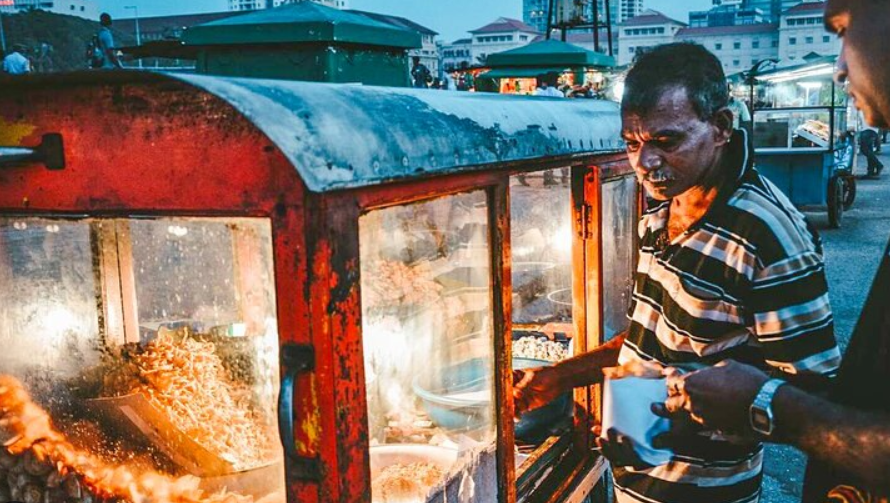
You do not need to book an expensive restaurant to discover some of Sri Lanka’s best food.
Walk through Colombo in the evening, stop near a busy market in Kandy, explore a coastal town after sunset, or visit a roadside food stall almost anywhere on the island, and you will quickly discover how important street food is to everyday Sri Lankan life.
The sounds are often part of the experience.
You might hear two metal blades hitting a hot griddle as a cook prepares kottu, smell freshly fried wade from a roadside stall, or watch an egg being cracked into the middle of a bowl-shaped hopper.
Sri Lankan street food is generally bold, filling and affordable. It also gives visitors an opportunity to eat many of the foods that local people actually enjoy rather than limiting themselves to hotel buffets and tourist restaurants.
This guide explains some of the best street foods to try in Sri Lanka in 2026, what they contain, when Sri Lankans commonly eat them, and approximately how much you should expect to pay.
Prices vary considerably between small local shops, tourist areas, cafés and restaurants, so the figures below should be treated as general planning ranges rather than fixed menu prices.
1. Kottu Roti
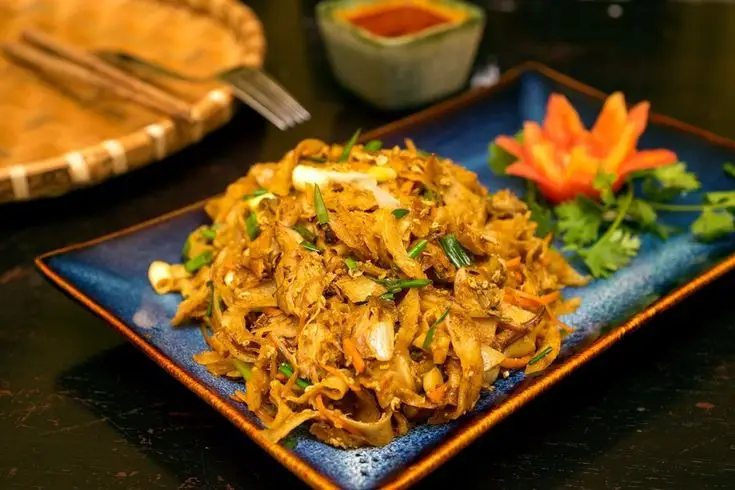
If Sri Lanka had to choose one dish to represent its evening street-food culture, kottu would be a strong candidate.
Kottu is prepared by chopping pieces of godamba roti on a heated metal cooking surface and mixing them with vegetables, spices, sauces and other ingredients.
The rapid chopping creates the distinctive metallic sound heard outside kottu shops across the country at night.
Popular Types of Kottu
You will commonly find:
- Vegetable kottu
- Egg kottu
- Chicken kottu
- Cheese kottu
- Chicken cheese kottu
- Seafood kottu
- Dolphin kottu
Despite its unusual name, dolphin kottu normally has nothing to do with dolphin meat. It refers to a particular style of soft, larger-cut roti used for the dish.
Approximate 2026 Price
Local shops: around LKR 700–1,500
Restaurants and tourist areas: around LKR 1,200–3,000+
Adding cheese, seafood or larger portions usually increases the price.
When to Eat It
Kottu is particularly popular in the evening and at night.
If you want the classic Sri Lankan street-food experience, ordering freshly prepared kottu from a busy evening restaurant is difficult to beat.
2. Egg Hoppers
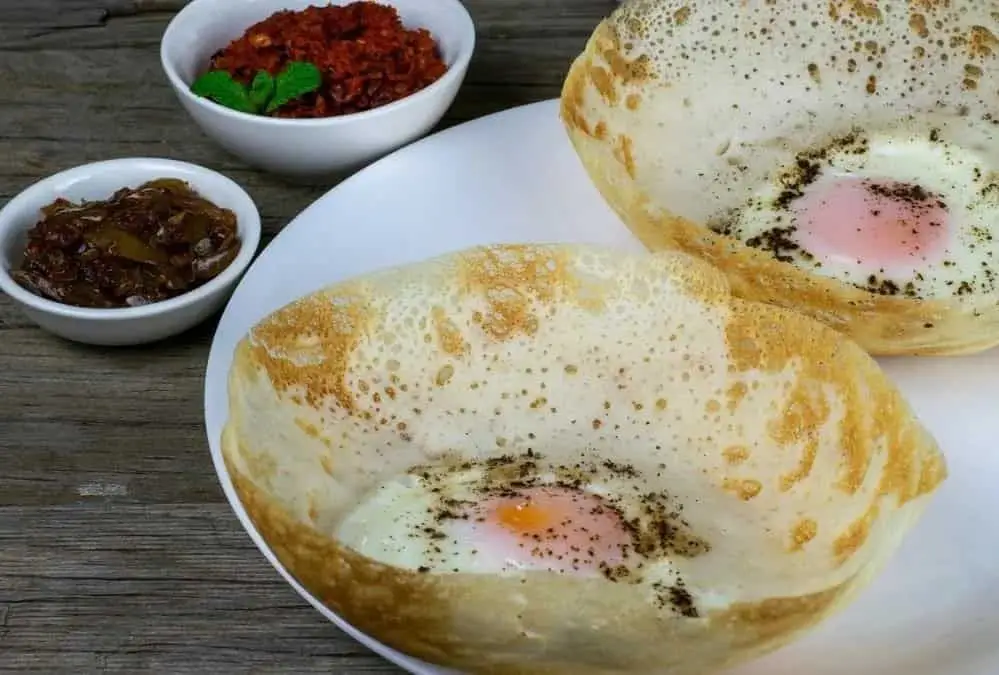
Hoppers, known locally as appa, are one of Sri Lanka’s most distinctive foods.
A thin fermented batter is cooked inside a small round pan, producing a crispy edge and softer centre.
For an egg hopper, an egg is cracked directly into the middle.
The result is part pancake, part crispy bowl and part breakfast or dinner dish.
What Do You Eat With Hoppers?
Hoppers are commonly served with:
- Lunu miris
- Coconut sambol
- Dhal curry
- Chicken curry
- Fish curry
Lunu miris is particularly important. This spicy onion and chili mixture provides a sharp contrast to the mild hopper.
Approximate 2026 Price
Plain hopper: around LKR 60–150 each
Egg hopper: around LKR 150–350 each
Restaurants in tourist areas may charge more.
Because people normally order several hoppers rather than one, consider the price of the accompaniments when calculating the total cost of the meal.
3. Isso Wade
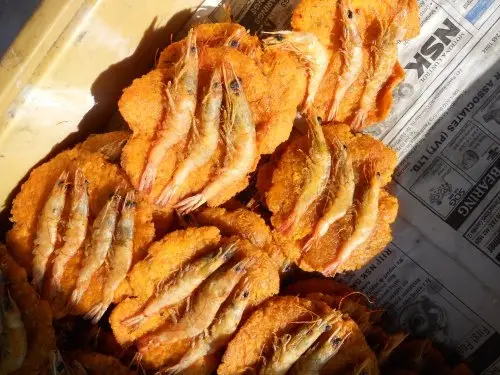
Anyone exploring the food scene around Galle Face and other coastal areas may encounter isso wade.
These crispy lentil fritters are topped with prawns and served with spicy accompaniments.
They combine several characteristics associated with Sri Lankan street food: spice, crunch, seafood and strong flavor.
Approximate 2026 Price
Around LKR 200–600 per piece, depending on size, location and toppings.
Tourist-focused locations may be more expensive than neighborhood vendors.
Where Is It Popular?
Isso wade is strongly associated with Colombo’s seaside street-food culture, particularly around Galle Face.
It makes an excellent snack while walking along the coast in the evening.
4. Parippu Wade
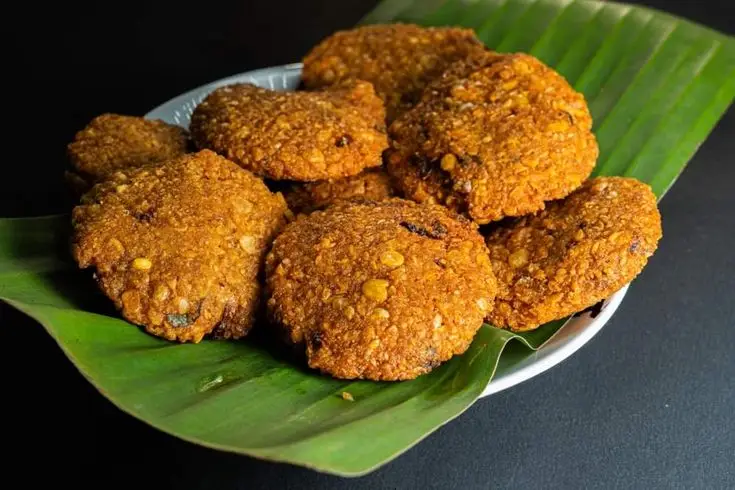
Parippu wade is one of Sri Lanka’s simplest and most satisfying snacks.
It is usually made from lentils mixed with ingredients such as chili, onion, curry leaves and spices before being deep-fried.
The outside becomes crisp while the inside remains denser and softer.
Approximate Price
Around LKR 80–200 each at many local establishments.
Prices depend on size and location.
Why Try It?
Parippu wade is inexpensive, widely available and easy to eat while traveling.
It is also commonly eaten with tea, making it a good introduction to Sri Lankan snack culture.
5. Ulundu Wade
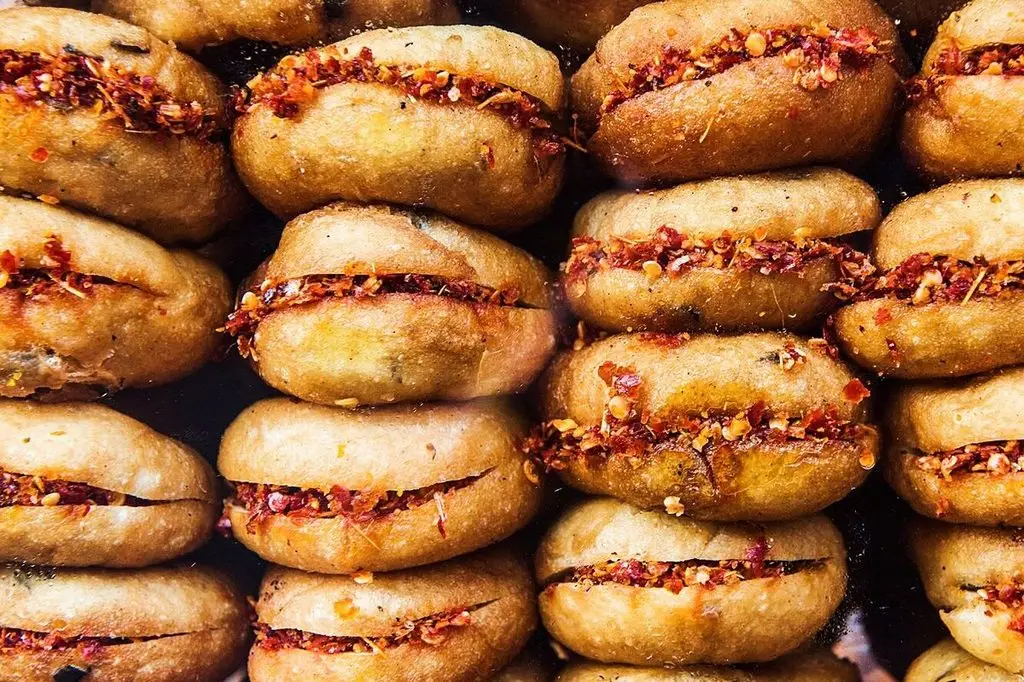
Ulundu wade looks very different from parippu wade.
Usually shaped like a small doughnut, it is made primarily from urad dal and fried until golden.
The texture tends to be softer inside while remaining slightly crispy outside.
Approximate Price
Around LKR 100–250 each.
It may be served with coconut chutney or other accompaniments, particularly at South Indian and Tamil restaurants.
6. Vegetable Roti
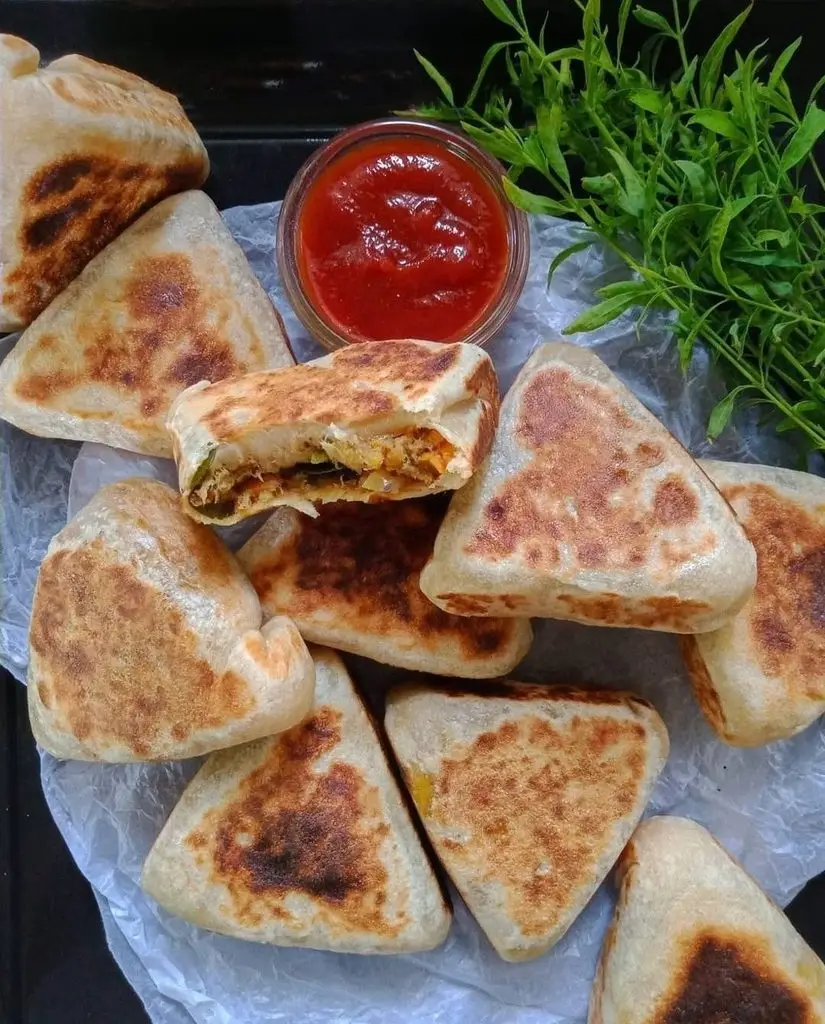
Vegetable roti is one of the most convenient Sri Lankan foods for travelers.
A thin piece of roti is folded around a spicy vegetable filling, creating a portable triangular or rectangular snack.
Potato is commonly part of the filling, together with onion, vegetables and spices.
Approximate Price
Around LKR 150–400 each.
Prices can be higher in cafés and tourist destinations.
Why Travelers Should Try It
Vegetable roti is easy to carry and does not require a full sit-down meal.
It can be particularly useful during train or bus journeys.
7. Egg Roti
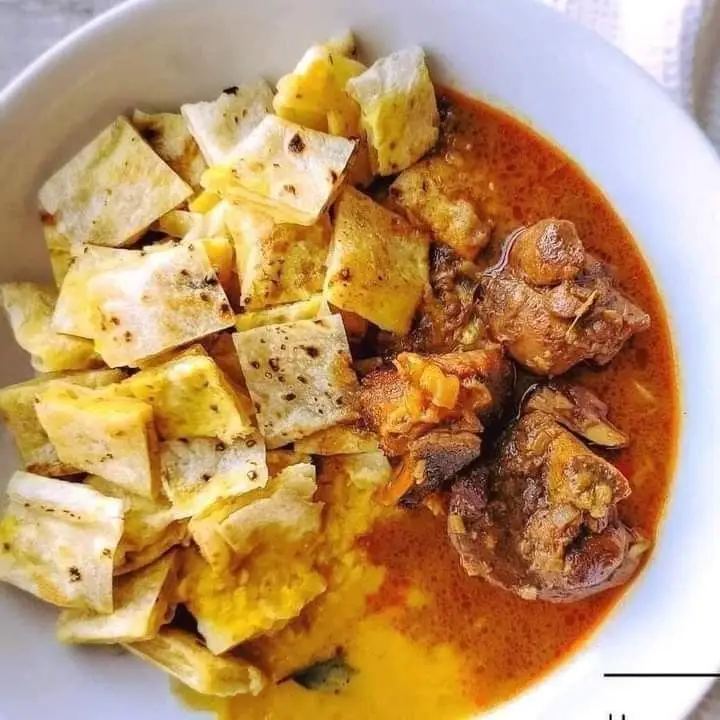
Egg roti is another popular variation.
An egg mixture is wrapped inside thin roti and cooked on a hot griddle.
Depending on the shop, onion, chili and other ingredients may be included.
Approximate Price
Around LKR 250–600.
Larger versions or restaurant preparations may cost more.
8. Fish Roti
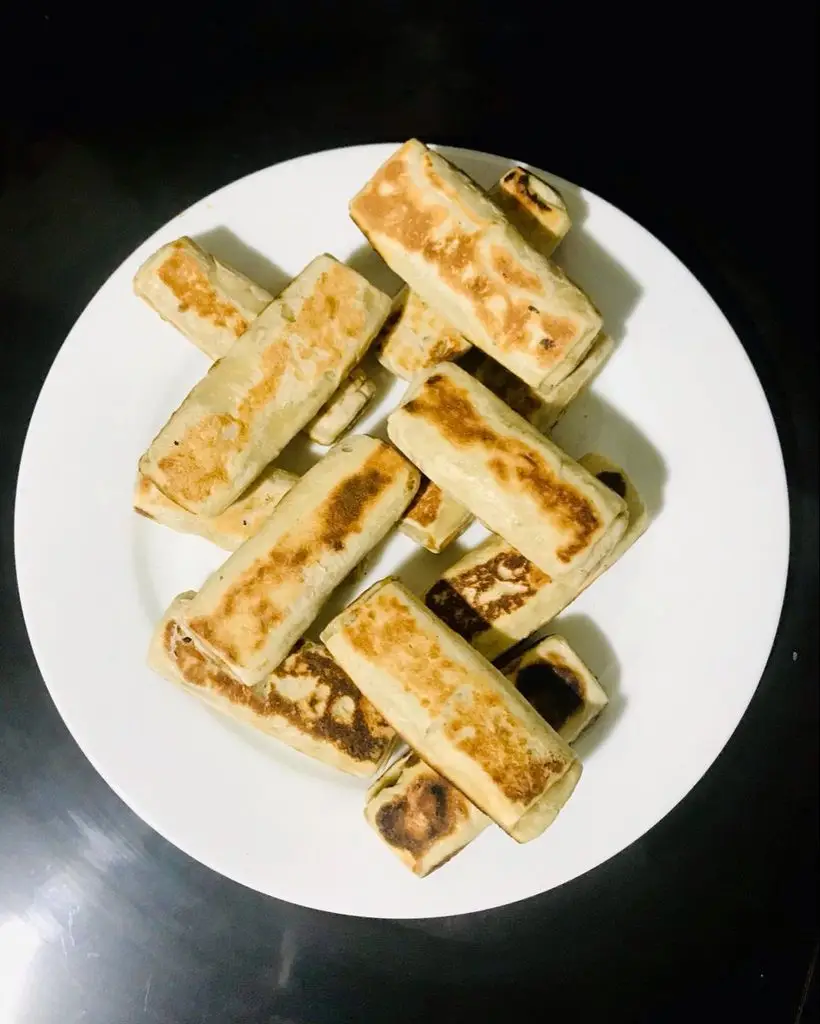
Fish roti is another classic Sri Lankan short eat.
The filling generally combines fish, potato, onion, chili and spices inside folded roti.
It is commonly found in bakeries, tea shops and snack counters throughout the island.
Approximate Price
Around LKR 180–450 each.
Good For
Fish roti works well as:
- A quick breakfast
- Afternoon snack
- Travel food
- Light meal with tea
9. Sri Lankan Samosas
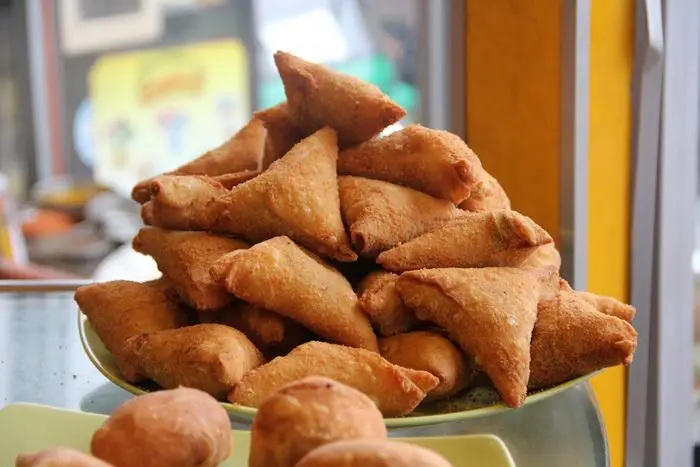
Samosas are not unique to Sri Lanka, but they are firmly established within the country’s snack culture.
Local versions may contain:
- Spiced potato
- Vegetables
- Fish
- Chicken
- Beef
They are commonly sold in bakeries and roadside snack shops.
Approximate Price
Around LKR 100–300 each.
Premium cafés may charge considerably more.
10. Chinese Rolls
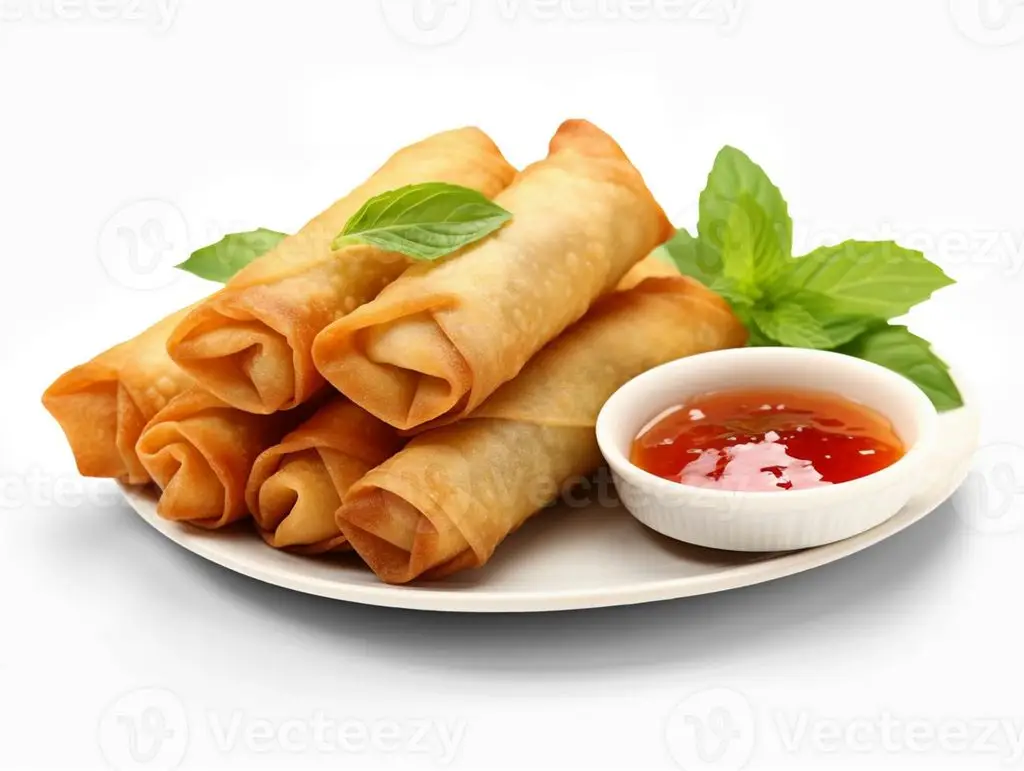
Ask for a “roll” in a Sri Lankan bakery and you may receive something quite different from what an international visitor expects.
Sri Lankan Chinese rolls usually consist of a filling wrapped in a thin pancake-like layer, coated with breadcrumbs and fried.
Popular fillings include fish, chicken and vegetables.
Approximate Price
Around LKR 150–400 each.
Why Are They Called Chinese Rolls?
The exact history of the name is less important to most Sri Lankans than the snack itself. Chinese rolls have become so integrated into local bakery culture that they are now considered an everyday Sri Lankan short eat.
11. Fish Buns
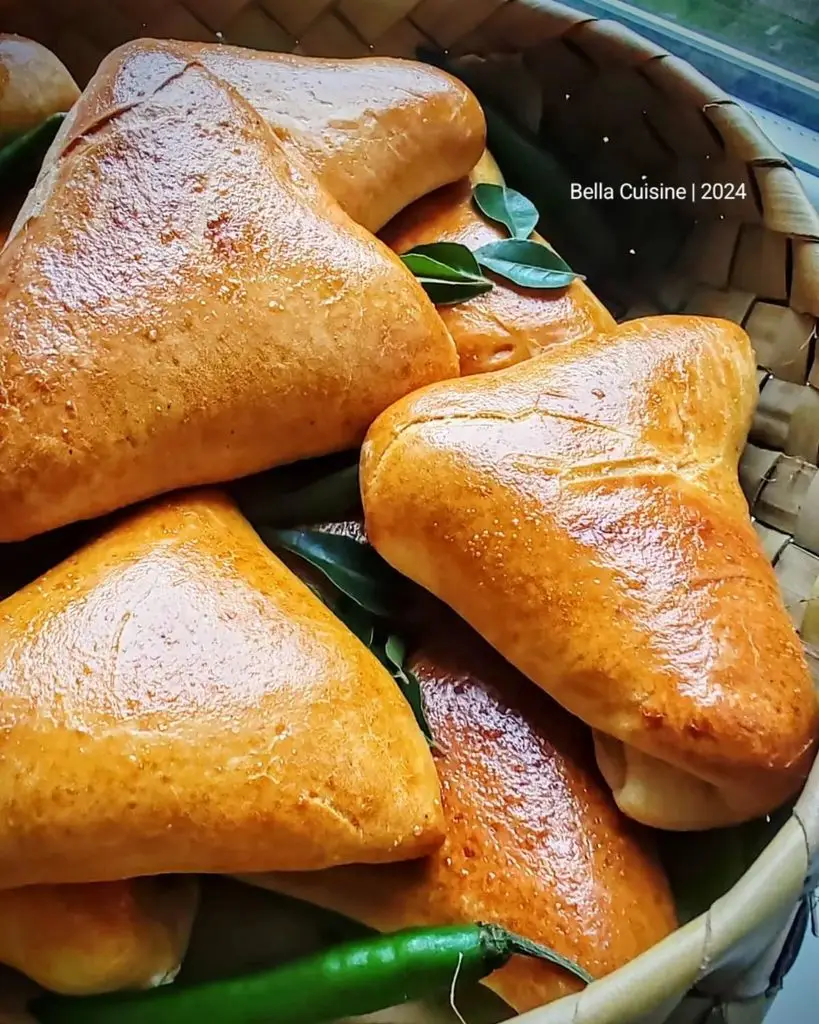
Fish buns are another bakery classic.
The soft bread is usually filled with a spicy mixture of fish, potato, onion and seasonings.
Their triangular shape makes them immediately recognizable in many bakery displays.
Approximate Price
Around LKR 150–350 each.
They are particularly useful for travelers looking for an inexpensive breakfast or snack.
12. Pol Roti
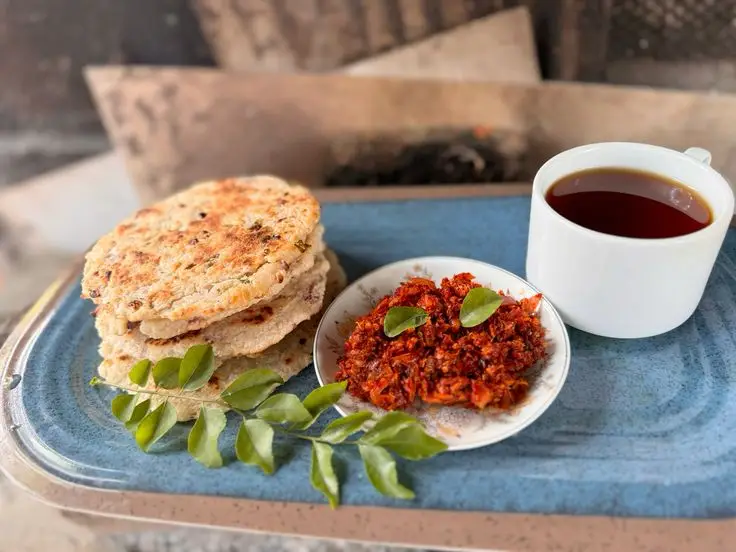
Pol roti is a traditional flatbread prepared with coconut.
Unlike the thin godamba roti used for kottu, pol roti is generally thicker and more substantial.
It may be eaten with:
- Lunu miris
- Coconut sambol
- Dhal
- Fish curry
- Chicken curry
Approximate Price
Around LKR 100–300 per roti, excluding curry.
A full pol-roti meal with curries will naturally cost more.
13. String Hoppers
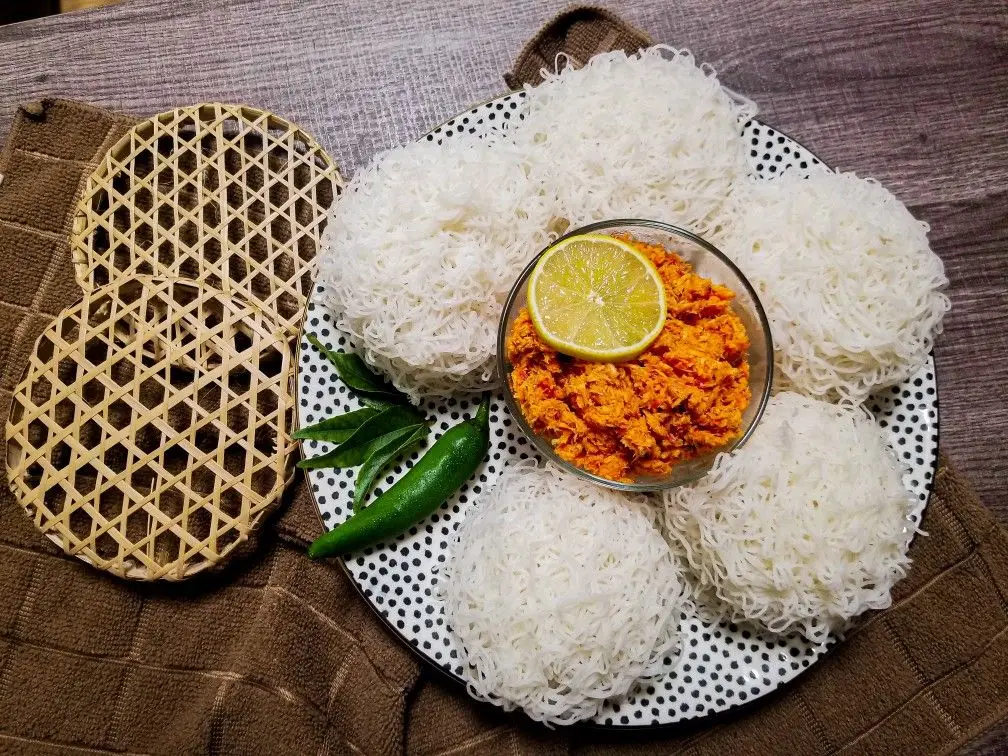
String hoppers are made by pressing rice-flour dough into thin noodle-like strands and steaming them in small circular portions.
They are especially popular for breakfast and dinner.
Common Accompaniments
String hoppers may be served with:
- Coconut sambol
- Dhal curry
- Potato curry
- Fish curry
- Chicken curry
- Kiri hodi
Approximate Price
Individual string hoppers can be inexpensive, but they are normally ordered as part of a meal.
A basic string-hopper meal may cost approximately LKR 500–1,500, while restaurant meals with meat or seafood curries can cost more.
14. Manioc with Coconut Sambol
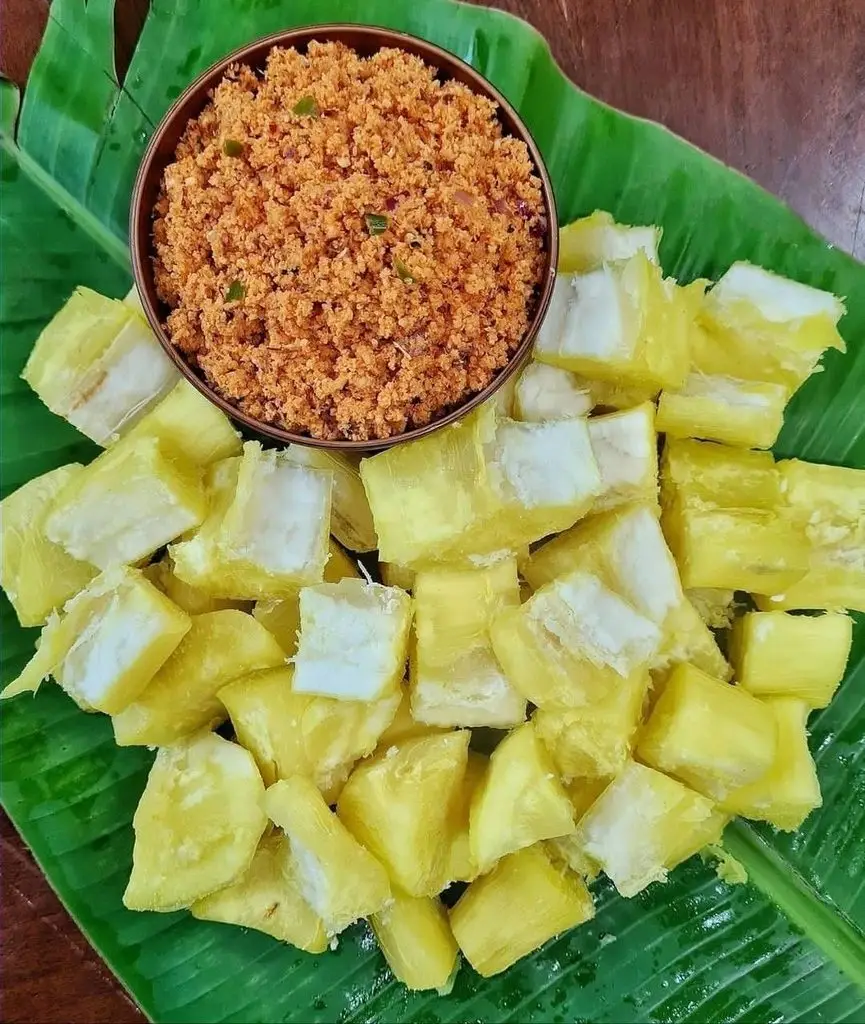
Boiled manioc, or cassava, is a simple traditional food that remains popular across Sri Lanka.
It can be served with freshly grated coconut, sambol or spicy accompaniments.
This is less likely to appear on polished tourist menus than kottu or hoppers, which is exactly why adventurous visitors should look for it.
Approximate Price
A simple serving may cost around LKR 300–800, depending on where it is purchased.
15. Achcharu
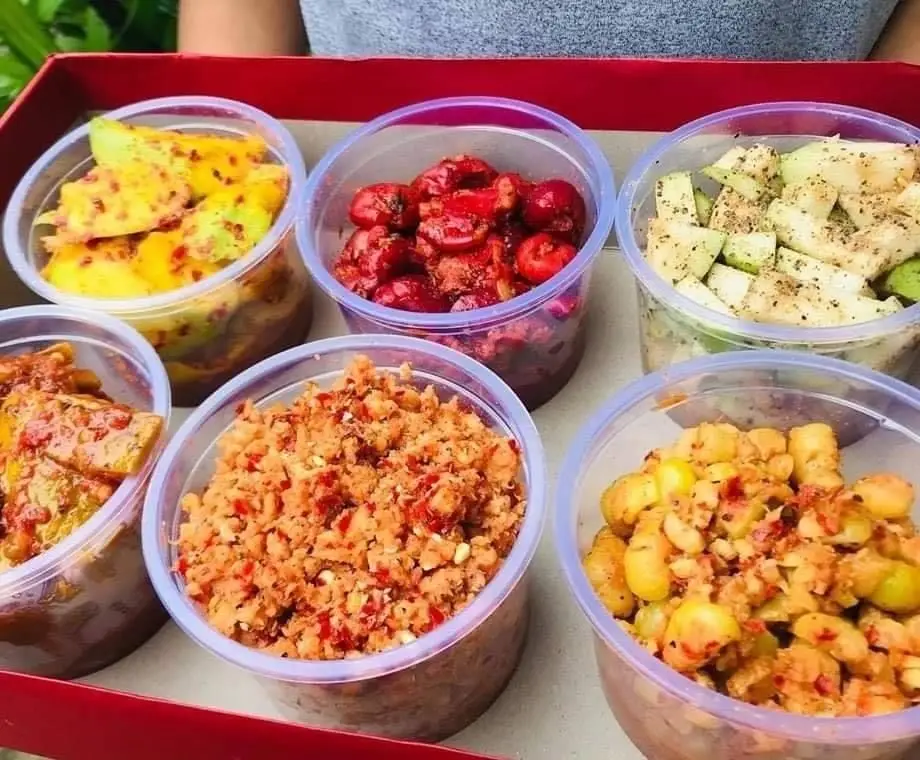
Sri Lankan achcharu provides a completely different street-food experience.
Rather than being fried or cooked to order, it consists of fruit or vegetables mixed with chili, salt, vinegar and other seasonings.
Common varieties can include:
- Mango
- Pineapple
- Ambarella
- Wood apple
- Mixed fruit
The combination of sweet, sour, salty and spicy flavors can be surprisingly addictive.
Approximate Price
Around LKR 200–600 per serving.
16. Fresh King Coconut
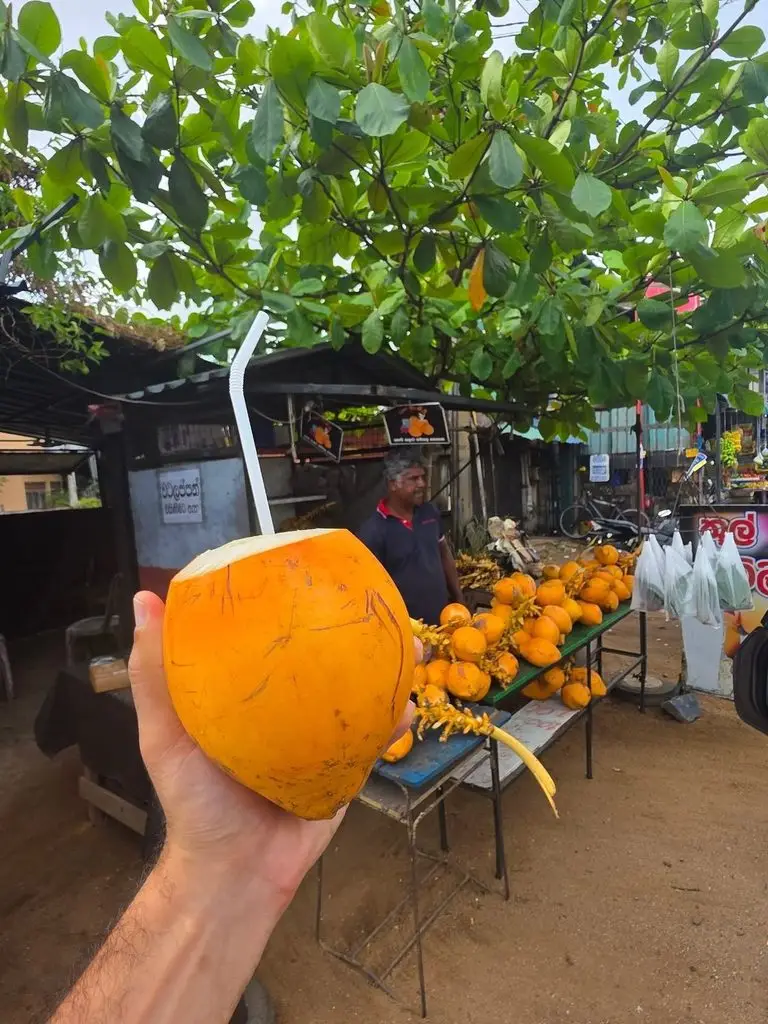
Not every street-food experience needs to involve a cooked meal.
King coconut, known locally as thambili, is one of Sri Lanka’s most refreshing roadside drinks.
Vendors cut open the coconut when you order it, allowing you to drink directly from the fruit.
After drinking the water, you can sometimes ask the vendor to split the coconut so you can eat the soft flesh.
Approximate Price
Depending on location, expect roughly LKR 150–400.
Tourist destinations may charge more.
17. Fresh Fruit Juice
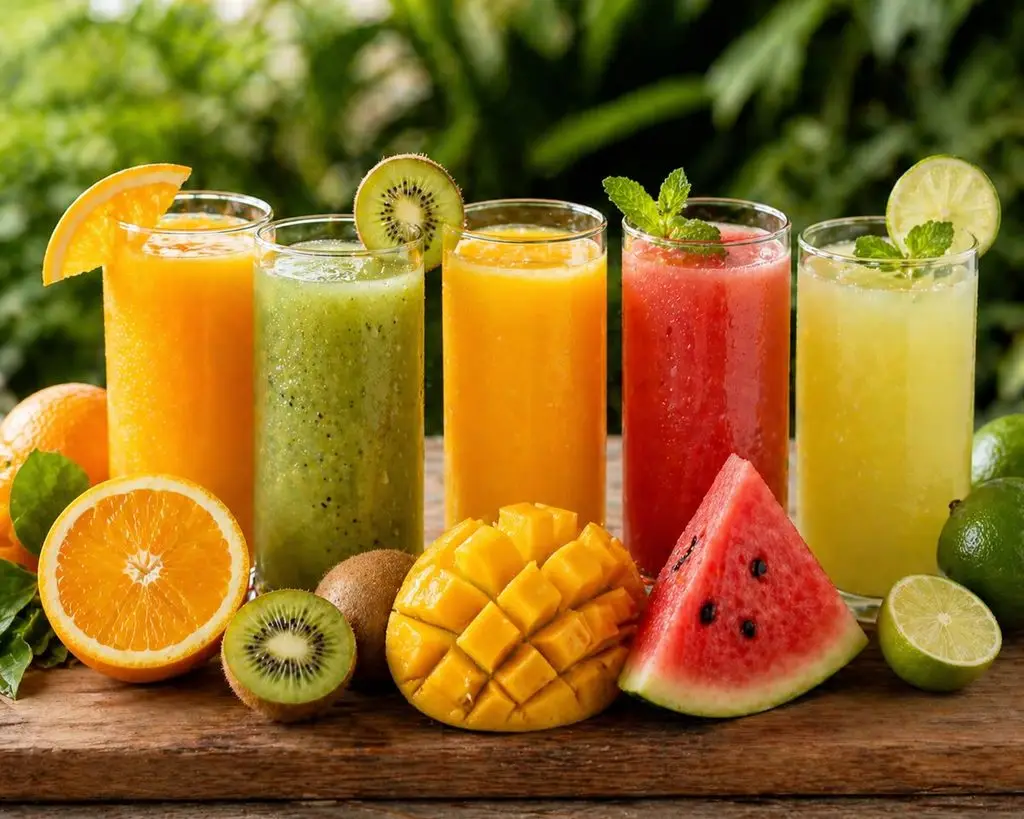
Sri Lanka’s tropical climate supports an enormous variety of fruit.
Juice shops commonly offer:
- Mango
- Papaya
- Pineapple
- Watermelon
- Lime
- Passion fruit
- Wood apple
- Avocado
Approximate Price
Around LKR 300–900, depending on the fruit, size and location.
Ask whether sugar is added if you prefer the natural fruit flavor.
18. Curd and Treacle
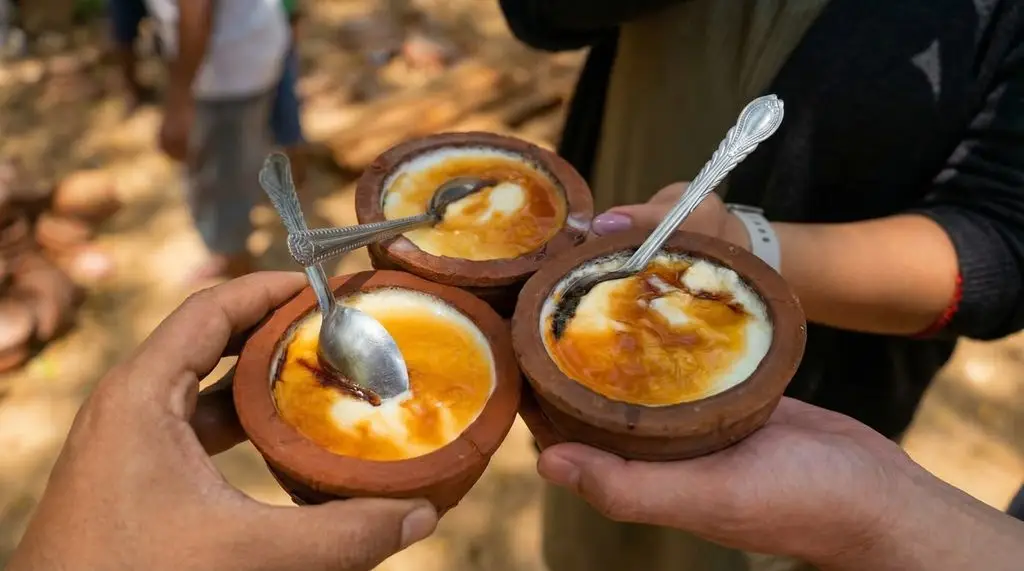
Curd and treacle is one of Sri Lanka’s best-known traditional desserts.
Buffalo curd has a thick, slightly sour flavor that pairs beautifully with sweet treacle.
The dessert is particularly associated with southern Sri Lanka, although it can now be found throughout the country.
Approximate Price
Around LKR 400–1,000 per serving.
How Much Should You Budget for Sri Lankan Street Food?
One of the biggest advantages of eating local food is affordability.
A traveler eating primarily at local establishments can often spend considerably less than someone eating every meal at hotels or tourist restaurants.
A useful 2026 planning guide is:
| Food | Approximate Price |
|---|---|
| Plain Hopper | LKR 60–150 |
| Egg Hopper | LKR 150–350 |
| Parippu Wade | LKR 80–200 |
| Ulundu Wade | LKR 100–250 |
| Vegetable Roti | LKR 150–400 |
| Fish Roti | LKR 180–450 |
| Samosa | LKR 100–300 |
| Chinese Roll | LKR 150–400 |
| Fish Bun | LKR 150–350 |
| Kottu | LKR 700–3,000+ |
| String Hopper Meal | LKR 500–1,500+ |
| Fresh Juice | LKR 300–900 |
| King Coconut | LKR 150–400 |
| Curd and Treacle | LKR 400–1,000 |
These are approximate planning ranges rather than guaranteed prices. Location has a major impact on what you pay.
Where to Find Good Street Food in Sri Lanka
Street food is available throughout the island, but some destinations provide particularly interesting experiences.
Colombo
Colombo offers the greatest variety. Galle Face is famous for evening snacks, while neighborhoods throughout the city have kottu shops, bakeries and local restaurants.
Kandy
Central Kandy is excellent for bakeries, short eats, rice and curry, hoppers and Tamil vegetarian food.
Jaffna
Jaffna offers a different flavor profile, with strong Tamil culinary influences and excellent dosai, wade and other northern specialties.
Negombo
Negombo combines traditional Sri Lankan snacks with its strong fishing culture, making seafood particularly important.
Galle and the Southern Coast
The south is excellent for seafood, curd and treacle, rice and curry, roti and roadside snacks.
Ella
Ella has a more tourism-oriented food scene, but local eateries still provide kottu, hoppers, roti and Sri Lankan curry.
How to Choose a Good Street-Food Stall
Street food can be an excellent experience, but choosing carefully matters.
Look for places that are busy with local customers. High turnover generally means food is being prepared and sold regularly rather than sitting for long periods.
Watch how the food is handled.
Hot dishes should ideally be served hot, and freshly cooked food is generally preferable when you have a choice.
For drinks, travelers who are concerned about water quality may prefer sealed bottled water or freshly opened king coconut.
You do not need to avoid local food. Simply use the same sensible judgment you would use when choosing casual food anywhere else.
Is Sri Lankan Street Food Very Spicy?
It can be.
Sri Lankan food frequently uses chili, pepper and strong spice combinations.
However, not everything is extremely spicy.
Plain hoppers, string hoppers, pol roti, bakery products and many desserts are relatively mild until served with spicy sambols or curries.
If you are sensitive to chili, ask whether a dish is spicy before ordering.
Remember that “not spicy” can mean something different to a Sri Lankan cook than to a visitor who rarely eats chili.
Vegetarian Street Food in Sri Lanka
Sri Lanka is an excellent destination for vegetarian travelers.
Some easy options include:
- Vegetable roti
- Parippu wade
- Ulundu wade
- Vegetable samosas
- Plain hoppers
- Egg hoppers for ovo-vegetarians
- String hoppers
- Pol roti
- Vegetable kottu
- Dhal curry
- Coconut sambol
- Fruit
- Achcharu
However, strict vegetarians should still ask about ingredients because some dishes may use fish-based ingredients or be prepared on shared cooking surfaces.
Frequently Asked Questions
What is the most famous street food in Sri Lanka?
Kottu roti is probably the country’s most recognizable street-food dish. Its distinctive preparation sound makes it especially memorable.
Is Sri Lankan street food cheap?
Generally, yes. Local bakeries, roadside shops and neighborhood restaurants can be considerably cheaper than tourist restaurants and hotels.
What should I try first in Sri Lanka?
Kottu, egg hoppers, fish roti, parippu wade, string hoppers and fresh king coconut provide a good introduction to Sri Lankan casual food.
What is the best Sri Lankan street food for vegetarians?
Vegetable roti, parippu wade, ulundu wade, vegetable kottu, hoppers and string hoppers are good places to start.
Where can I find street food in Colombo?
Galle Face is one of the best-known locations for visitors, but local bakeries, markets and casual restaurants throughout Colombo provide an even broader selection.
How much does kottu cost in Sri Lanka?
A basic portion at a local establishment may start around LKR 700–1,500, while cheese, seafood and restaurant versions can reach LKR 2,000–3,000 or more.
Are the prices the same throughout Sri Lanka?
No. Tourist destinations, hotels and premium cafés generally charge more than neighborhood restaurants and roadside shops.
Final Thoughts
Sri Lankan street food is not simply a cheaper alternative to restaurant dining. It is an important part of understanding the country’s food culture.
A freshly made egg hopper, a hot vegetable roti from a bakery, a plate of kottu being chopped in front of you, or an ice-cold king coconut on a warm afternoon can be just as memorable as an expensive restaurant meal.
For travelers, the best approach is to experiment.
Try familiar dishes first, then gradually explore foods you have never seen before. Visit busy local establishments, ask what is freshly prepared and do not be afraid to ask how a dish is normally eaten.
You may discover that some of your favorite meals in Sri Lanka are also among the simplest and most affordable.
For more restaurant guides, menu prices and information about where to eat throughout Sri Lanka, visit Menueka.com.