
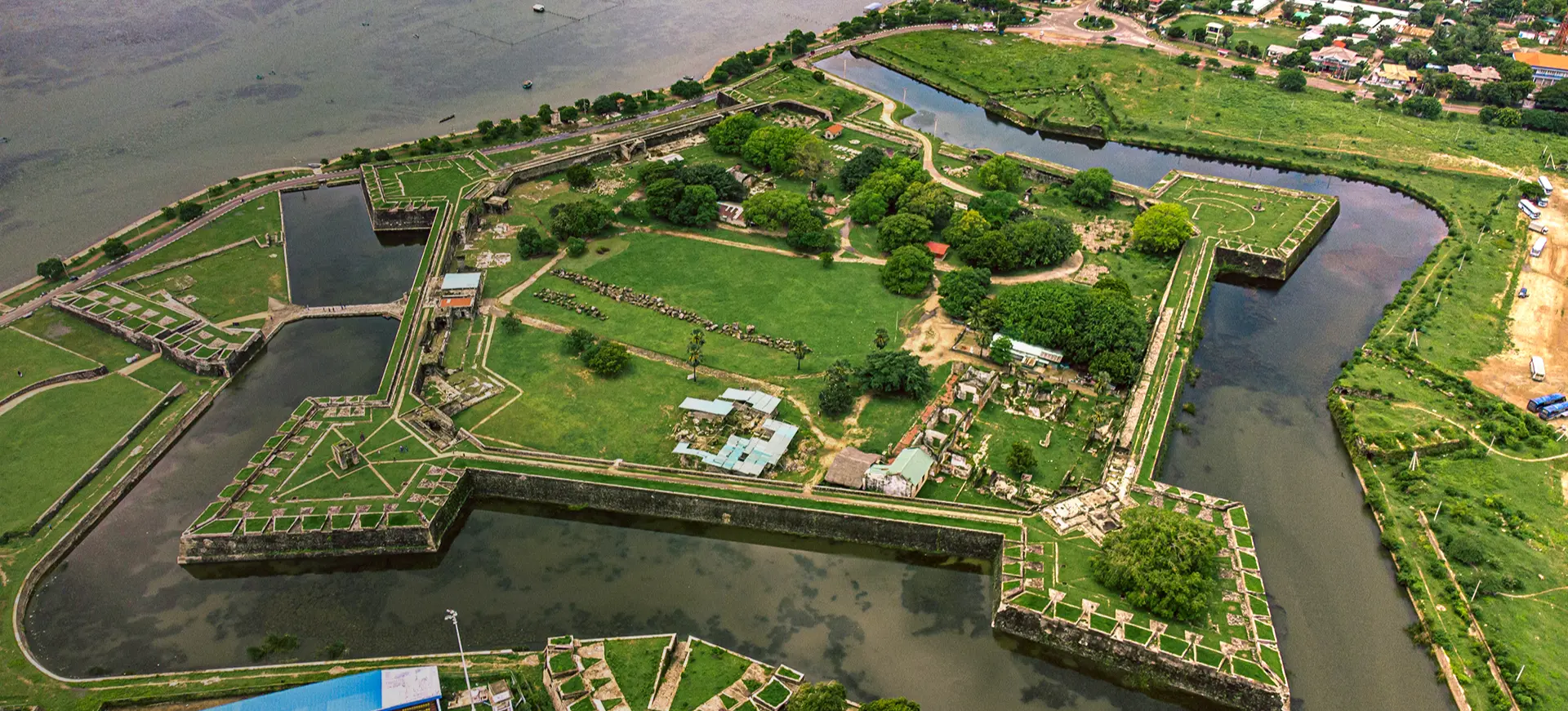
Traditional Jaffna food offers one of the most distinctive culinary experiences in Sri Lanka. Known for its bold spices, seafood curries, vegetarian dishes, palmyrah-based foods and Tamil culinary heritage, Jaffna cuisine is an important part of Northern Sri Lanka’s identity.
Located on the Jaffna Peninsula, the city and surrounding region have developed food traditions influenced by local agriculture, fishing communities, cultural practices and generations of family cooking.
Unlike some of the milder coconut-milk curries found elsewhere on the island, many Jaffna dishes emphasize roasted spices, tamarind, chili and aromatic curry powders.
However, Jaffna cuisine is not limited to spicy seafood. The region also offers excellent vegetarian meals, steamed rice-flour dishes, dosai, idli, traditional sweets and refreshing drinks.
Whether you are visiting Jaffna for the first time or exploring Sri Lankan regional cuisine, this guide introduces 15 traditional Jaffna foods worth trying in 2026, along with their ingredients, flavors and dining traditions.
1. Jaffna Crab Curry
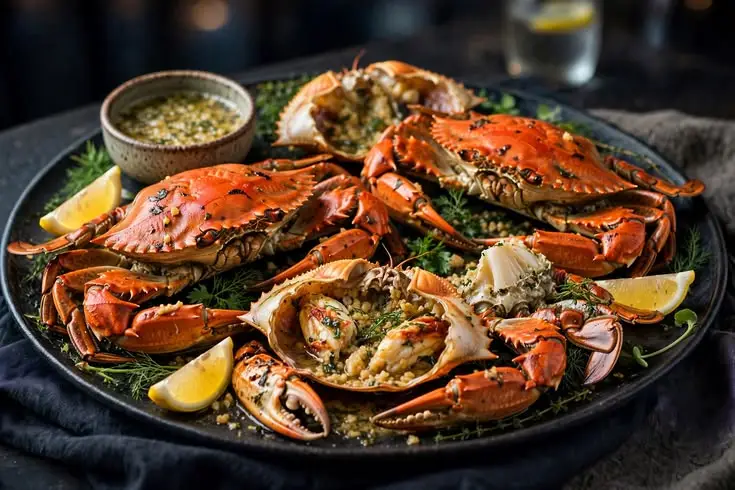
Jaffna crab curry is one of the region’s most celebrated dishes.
Fresh crab is cooked in a richly spiced gravy that may contain roasted curry powder, chili, tamarind, curry leaves and other aromatic ingredients.
The result is a deeply flavorful curry that is especially popular among seafood lovers.
What Makes Jaffna Crab Curry Special?
Jaffna-style crab curry is known for its bold seasoning.
The combination of seafood sweetness, roasted spices and tangy ingredients creates a distinctive flavor.
Recipes vary between households and restaurants.
What to Eat With Jaffna Crab Curry
Popular accompaniments include:
- Steamed rice
- Pittu
- String hoppers
- Dosai
Ordering Tip
Crab prices may depend on weight and availability. Confirm the total price before ordering, particularly at seafood restaurants.
2. Jaffna Kool – Traditional Seafood Soup
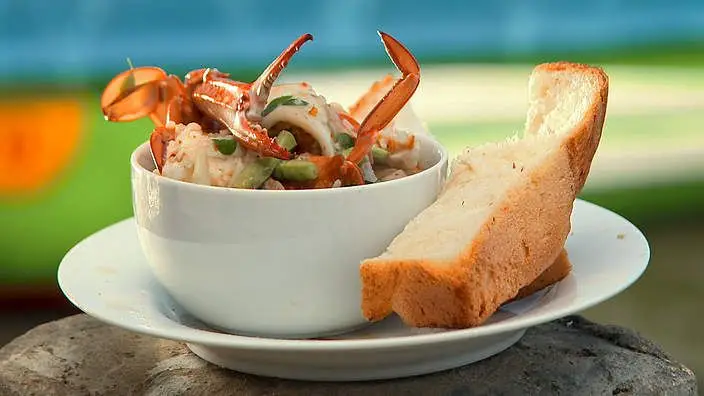
Kool, also spelled kuḻ or kool, is one of the most distinctive traditional dishes associated with Jaffna.
It is a thick, hearty preparation made using a combination of seafood, vegetables and other ingredients.
Recipes differ between communities and households.
Common Ingredients
Depending on the recipe, kool may contain:
- Fish
- Crab
- Prawns
- Cuttlefish
- Vegetables
- Leafy greens
- Palmyrah tuber flour
- Spices
Why Is Kool Important?
Kool is more than an ordinary soup.
It reflects Jaffna’s coastal food culture and the traditional use of locally available ingredients.
The dish is often prepared in substantial quantities for family or community gatherings.
Where to Try It
Kool may be available at traditional Jaffna restaurants or through local food experiences, but it is not necessarily a daily menu item everywhere.
3. Jaffna Mutton Curry
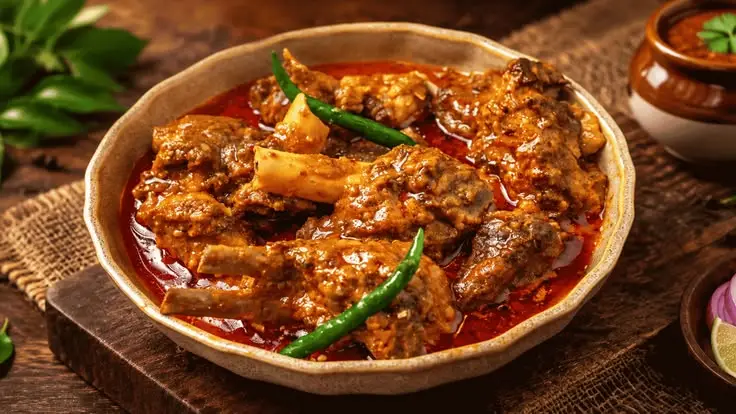
Jaffna mutton curry is known for its rich spice mixture and robust flavor.
The meat is cooked with ingredients such as chili, coriander, cumin, fennel, curry leaves and other spices.
Some preparations use roasted Jaffna curry powder.
What Makes It Different?
Compared with milder curries, Jaffna mutton curry often has a stronger roasted-spice character.
The sauce may be relatively thick, allowing the spices to coat the meat.
Best Accompaniments
- Rice
- Pittu
- Dosai
- Parotta
This is an excellent choice for travelers who enjoy intensely flavored meat curries.
4. Jaffna Fish Curry
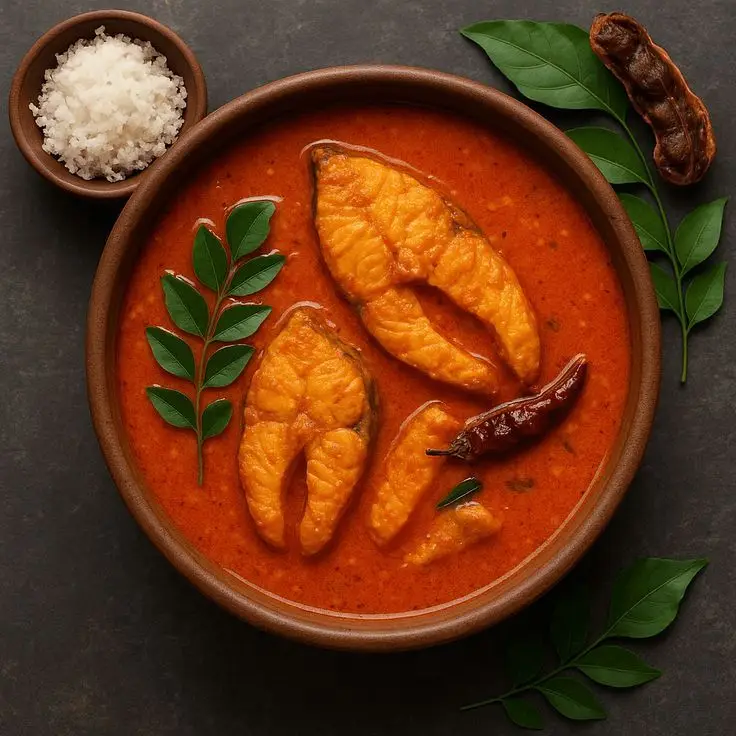
Fishing plays an important role in Northern Sri Lanka, making fish curry a central part of regional cuisine.
Jaffna fish curries may feature tamarind, chili, roasted spices and curry leaves.
Popular Fish Preparations
Depending on the available catch, restaurants may offer different varieties of fish curry.
Some are prepared with a relatively thin, spicy gravy, while others are thicker.
Why Try It?
Jaffna fish curry demonstrates how coastal ingredients and Tamil cooking traditions combine to produce distinctive regional flavors.
Dining Tip
Ask about the fish variety and whether the curry is particularly spicy before ordering.
5. Odiyal Kool and Palmyrah-Based Foods
The palmyrah palm is strongly associated with Northern Sri Lanka.
Its products are used in food preparation, drinks, sweets and other traditional products.
One important ingredient is odiyal flour, produced from processed palmyrah tubers.
Odiyal flour can be used to thicken traditional kool.
Why Palmyrah Matters
Palmyrah products reflect the region’s agricultural traditions and local food heritage.
Visitors may also encounter palmyrah-based snacks, sweets and beverages.
These foods offer an opportunity to experience ingredients that are less common in mainstream tourist restaurant menus elsewhere in Sri Lanka.
6. Jaffna Pittu
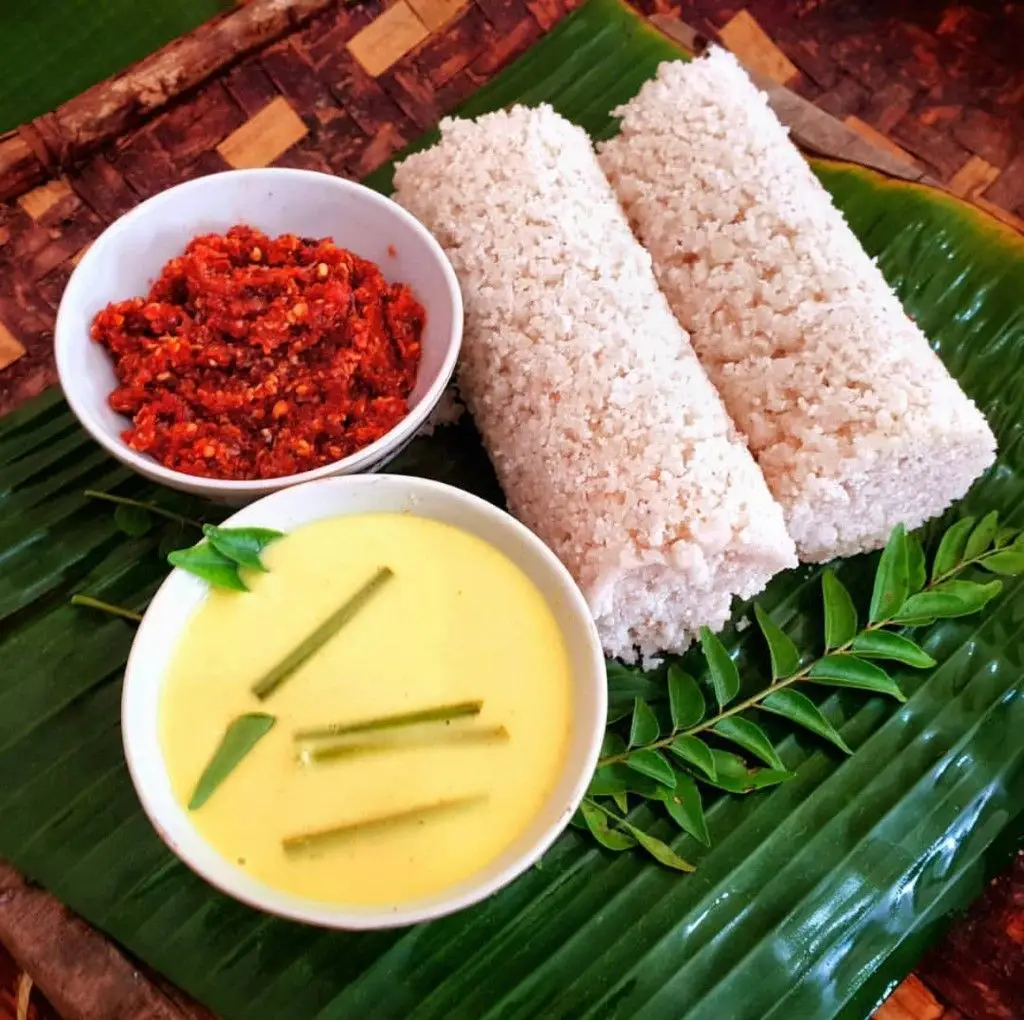
Pittu is a traditional steamed dish made using flour and grated coconut.
It is widely eaten across Sri Lanka, including in Jaffna.
The mixture is steamed until it develops a light, crumbly texture.
What Is Pittu Served With?
In Jaffna, pittu may be served with:
- Fish curry
- Crab curry
- Mutton curry
- Dhal curry
- Coconut milk
Why Try It?
Pittu absorbs curry gravy well, making it a satisfying accompaniment to strongly spiced Jaffna dishes.
It can be eaten for breakfast, lunch or dinner.
7. Dosai – A Northern Sri Lankan Favorite
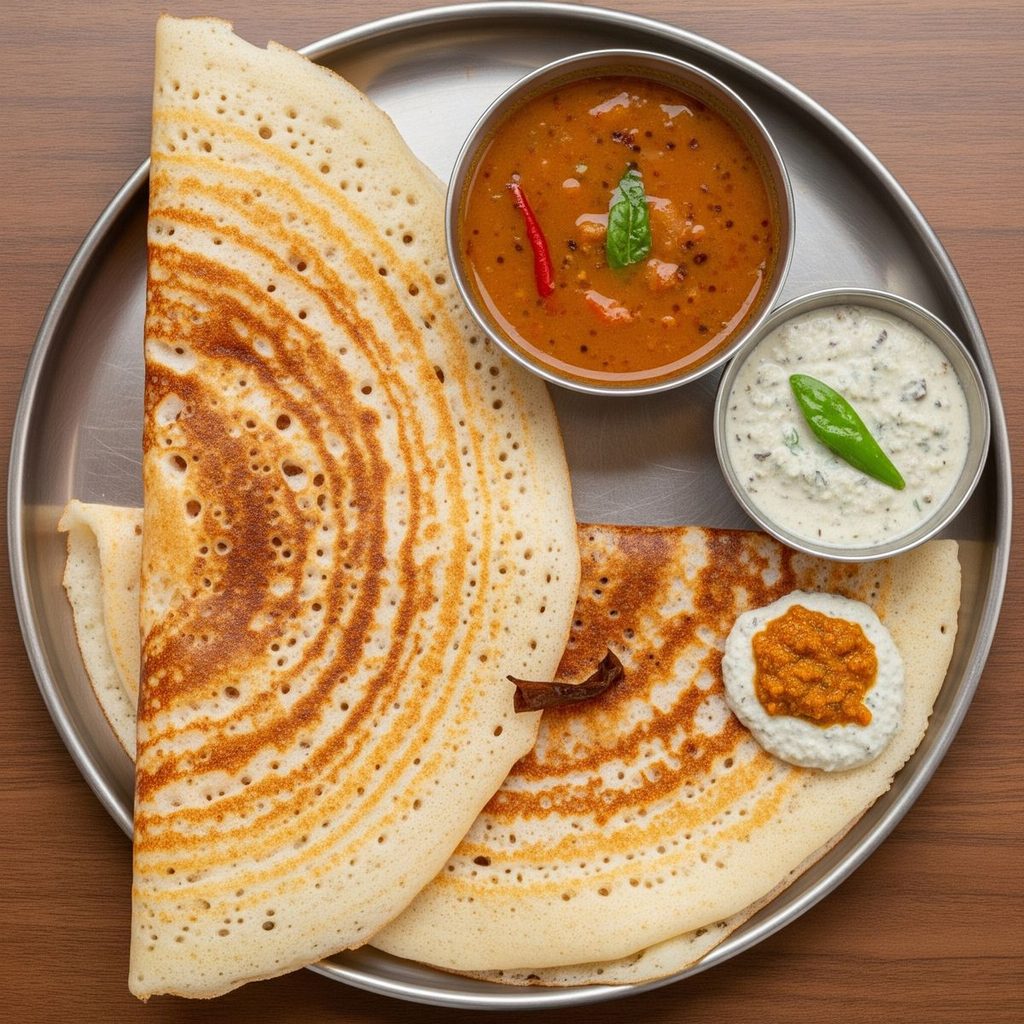
Dosai is a popular food throughout Tamil-speaking communities and is widely available in Jaffna.
It is made from fermented batter, typically containing rice and urad dal.
The batter is spread onto a hot cooking surface to create a thin pancake.
Popular Varieties
- Plain dosai
- Masala dosai
- Onion dosai
- Ghee dosai
Availability depends on the restaurant.
What Is Dosai Served With?
Common accompaniments include:
- Sambar
- Coconut chutney
- Other chutneys
Dosai is a good choice for visitors who want a vegetarian meal.
8. Idli – Soft Steamed Rice Cakes
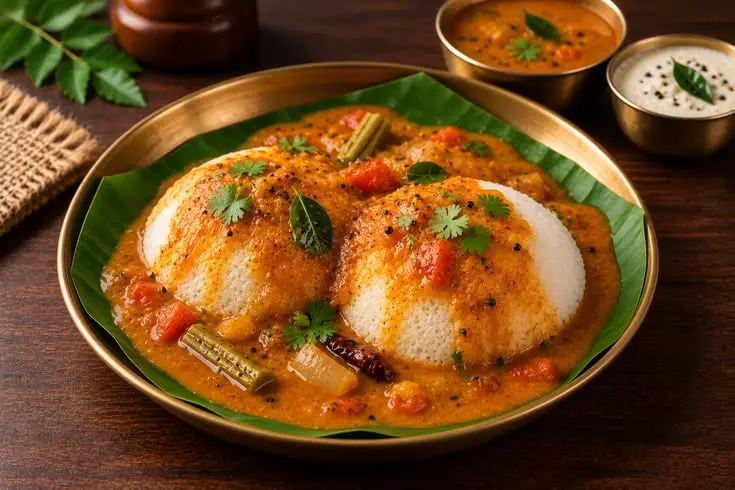
Idli is another popular dish associated with Tamil culinary traditions.
These soft steamed cakes are made from fermented rice-and-lentil batter.
Unlike crispy dosai, idli has a light, fluffy texture.
What to Eat With Idli
Idli is commonly served with sambar and chutney.
Why Try It?
Idli is mild, easy to eat and suitable for travelers who prefer less spicy food.
The accompaniments provide most of the seasoning.
9. Ulundu Wade
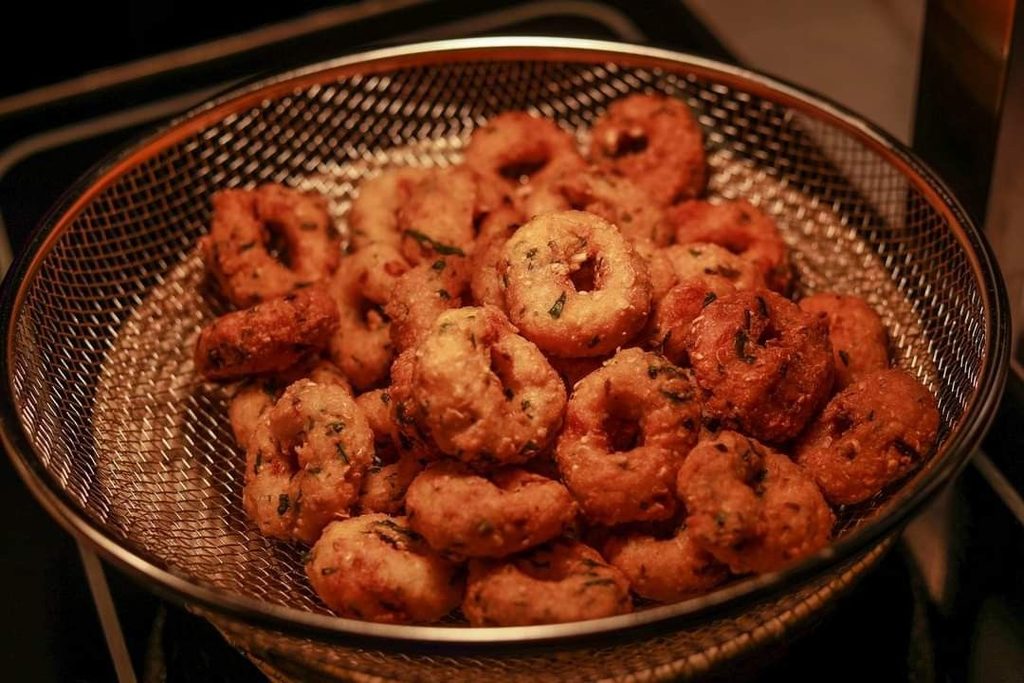
Ulundu wade is a savory fried snack made using urad dal.
It is commonly shaped into a ring and fried until golden.
The exterior becomes crispy while the inside remains softer.
What Makes It Popular?
Ulundu wade is filling, flavorful and convenient as a snack or breakfast accompaniment.
It is often served with chutney or sambar.
Where to Find It
Visitors can find ulundu wade at local eateries, bakeries and snack shops throughout Jaffna.
10. Jaffna Vegetable Curry
Although Jaffna is famous for seafood and meat curries, vegetarian cooking is equally important.
Traditional meals may include several vegetable preparations made with regional spices.
Common Vegetables
- Brinjal
- Drumstick
- Pumpkin
- Long beans
- Potatoes
- Leafy greens
What Makes Jaffna Vegetable Curries Different?
Some preparations use roasted spices, tamarind and regional curry powders.
Others are mild and coconut-based.
The result is a varied vegetarian food culture that goes beyond a single curry style.
11. Jaffna Brinjal Curry
Brinjal, or eggplant, is widely used in Northern Sri Lankan cooking.
It may be prepared as a curry, fried dish or tangy accompaniment.
Flavor Profile
Depending on the recipe, Jaffna brinjal curry may combine:
- Chili
- Tamarind
- Onion
- Curry leaves
- Roasted spices
Why Try It?
Brinjal absorbs spices and gravy effectively, producing a rich and satisfying vegetable dish.
It is particularly enjoyable with rice and dhal.
12. Parotta with Curry
Parotta is a layered flatbread popular in Tamil culinary traditions.
It is different from the thicker coconut roti commonly eaten elsewhere in Sri Lanka.
The dough is stretched, folded and cooked to create a soft, layered texture.
Popular Accompaniments
- Mutton curry
- Chicken curry
- Vegetable curry
- Salna-style gravy
Why Try It?
Parotta is especially enjoyable with rich curries because its layers absorb the sauce.
It is a popular choice for a filling meal.
13. Jaffna-Style Biryani
Biryani is popular in many parts of Sri Lanka, including Jaffna.
Regional versions may differ in spice mixtures, rice varieties, preparation methods and accompaniments.
Common Varieties
- Chicken biryani
- Mutton biryani
- Vegetable biryani
What Makes It Special?
Jaffna’s biryani traditions reflect the broader influence of Tamil and Muslim culinary cultures in Northern Sri Lanka.
A typical serving may include rice, meat or vegetables, and additional accompaniments.
Dining Tip
Biryani portions can be substantial, so ask about serving size when ordering.
14. Palmyrah Sweets and Snacks
Palmyrah is an important ingredient in Northern Sri Lankan food culture.
Traditional preparations may use palmyrah fruit pulp, jaggery or flour derived from the palm.
What Can Visitors Try?
Depending on the season and local availability, visitors may encounter:
- Palmyrah fruit-based sweets
- Palmyrah jaggery
- Traditional snacks made from palmyrah ingredients
- Packaged palmyrah products
Why Try Them?
These products provide a distinctive regional food experience.
They can also make interesting edible souvenirs when properly packaged and suitable for travel.
15. Jaffna Grape Products
Jaffna has a history of grape cultivation, and locally grown grapes are associated with parts of the peninsula.
Visitors may find fresh grapes during suitable seasons, along with locally produced grape-based products.
Why Are Jaffna Grapes Interesting?
Grape cultivation reflects the region’s agricultural diversity.
However, availability depends on harvest conditions, season and local supply.
Travel Tip
If you want to try locally grown grapes, ask vendors about their origin rather than assuming every grape sold in Jaffna was grown locally.
What Makes Traditional Jaffna Food Different?
Traditional Jaffna cuisine has several characteristics that distinguish it from other regional food traditions in Sri Lanka.
Roasted Spices
Many Jaffna curries use roasted spice mixtures that create deep, aromatic flavors.
Tamarind
Tamarind is frequently used to add acidity, particularly in some seafood and vegetable dishes.
Seafood
The peninsula’s coastal geography has contributed to a strong seafood tradition.
Palmyrah Ingredients
Palmyrah-based foods are closely connected to Northern Sri Lanka’s agricultural heritage.
Tamil Culinary Traditions
Dosai, idli, parotta, sambar and other Tamil dishes form an important part of everyday dining.
Is Traditional Jaffna Food Very Spicy?
Some Jaffna dishes can be extremely spicy, particularly certain crab, fish and meat curries.
However, not every dish is hot.
Idli, plain dosai, pittu and some vegetable preparations can be relatively mild.
Visitors who prefer less spicy food should ask about the dish before ordering.
A useful request is:
“Can you recommend something mild or less spicy?”
Some curries are prepared in advance and cannot easily be adjusted, so choosing a milder dish may be the better option.
Is Jaffna Food Suitable for Vegetarians?
Yes.
Jaffna offers many vegetarian dishes, including dosai, idli, sambar, dhal, vegetable curries and other traditional preparations.
Vegetarian travelers should still check ingredients, particularly in dishes that may contain ghee, dairy or fish-based seasonings.
Vegan travelers should confirm that the dish does not contain animal-derived ingredients.
Where to Find Traditional Jaffna Food
Visitors can explore traditional food in several areas of the Jaffna Peninsula.
Jaffna City
Jaffna City offers local restaurants, vegetarian eateries, bakeries and establishments serving Tamil-style meals.
Nallur
The Nallur area has a strong cultural identity and offers opportunities to explore local vegetarian and traditional food.
Chunnakam
Chunnakam and surrounding communities have local eateries and markets where visitors can experience everyday Northern Sri Lankan food.
Point Pedro
Point Pedro and nearby coastal communities provide opportunities to explore regional food traditions, particularly seafood.
Local Markets
Markets can be useful places to discover seasonal produce, traditional snacks and palmyrah products.
Availability varies, so it is worth asking local vendors about current offerings.
How Much Does Traditional Jaffna Food Cost in 2026?
Prices depend on the restaurant, ingredients and portion size.
The following are illustrative budgeting ranges, not verified current menu prices.
| Food Item | Estimated Price |
|---|---|
| Plain Dosai | LKR 200–500 |
| Idli Serving | LKR 300–700 |
| Ulundu Wade | LKR 100–250 |
| Pittu with Curry | LKR 500–1,500 |
| Vegetable Rice and Curry | LKR 500–1,200 |
| Fish Curry Meal | LKR 800–2,000 |
| Mutton Curry Meal | LKR 1,200–2,800 |
| Chicken Biryani | LKR 1,000–2,500 |
| Jaffna Crab Curry | LKR 2,500–6,000+ |
| Traditional Kool | LKR 700–2,000+ |
Seafood prices can change significantly depending on the catch, season and weight.
For crab and other premium seafood, confirm the total cost before ordering.
A One-Day Traditional Jaffna Food Experience
If you are visiting Jaffna and want to explore the local cuisine, consider the following food-focused day.
Breakfast
Start with idli or dosai served with sambar and coconut chutney.
Alternatively, try pittu with a traditional curry.
Morning Snack
Enjoy freshly prepared ulundu wade from a local snack shop.
Lunch
Choose a traditional rice-and-curry meal with fish or several vegetable dishes.
Afternoon
Explore local markets for seasonal fruit, traditional sweets or palmyrah products.
Dinner
Try Jaffna crab curry, mutton curry or another regional specialty with rice, pittu or parotta.
This approach allows you to experience different parts of Northern Sri Lanka’s food culture without relying on one restaurant or dish.
Tips for Trying Jaffna Food for the First Time
Ask About Spice Levels
Some regional curries are significantly hotter than visitors expect.
Confirm Seafood Prices
Crab and other seafood may be priced by weight.
Try Vegetarian Dishes
Dosai, idli and vegetable curries are an important part of Jaffna cuisine.
Explore Local Eateries
Traditional food is not limited to large restaurants.
Respect Local Customs
Be considerate when dining near religious and culturally important locations.
Ask About Seasonal Specialties
Some foods and ingredients may only be available at certain times of year.
Frequently Asked Questions
What is traditional Jaffna food?
Traditional Jaffna food includes dishes such as Jaffna crab curry, kool, fish curry, mutton curry, pittu, dosai, idli and palmyrah-based preparations.
What is the most famous food in Jaffna?
Jaffna crab curry and traditional kool are among the region’s best-known specialties.
Is Jaffna food different from other Sri Lankan food?
Yes. Many Jaffna dishes feature distinctive roasted spices, tamarind, seafood and Tamil culinary influences.
Is Jaffna food spicy?
Some Jaffna curries are very spicy, but dishes such as idli, dosai and pittu can be mild.
What is Jaffna kool?
Kool is a traditional thick soup-like preparation that may contain seafood, vegetables, greens, palmyrah tuber flour and spices.
Is vegetarian food available in Jaffna?
Yes. Dosai, idli, sambar, dhal and vegetable curries are widely associated with local vegetarian dining.
What should tourists eat in Jaffna?
First-time visitors should consider trying Jaffna crab curry, fish curry, pittu, dosai, idli and traditional sweets.
Is Jaffna food expensive?
Many everyday local meals are relatively affordable. Premium seafood, especially crab, can be considerably more expensive.
Final Thoughts
Traditional Jaffna food is an important part of Sri Lanka’s culinary heritage.
From intensely spiced crab curry and hearty kool to soft idli, crispy dosai and traditional palmyrah sweets, the region offers flavors and cooking traditions that are distinct from many other parts of the island.
For travelers interested in authentic regional cuisine, Jaffna deserves a place on the itinerary.
Rather than limiting yourself to familiar dishes, explore local restaurants, try vegetarian specialties, ask about seasonal ingredients and experience the food traditions of Northern Sri Lanka.
Whether you are enjoying a simple breakfast of dosai and sambar or a richly spiced seafood dinner, Jaffna cuisine offers a memorable introduction to the region’s culture.
For more Sri Lankan restaurant menus, regional food guides, dining information and food prices, visit Menueka.com.