
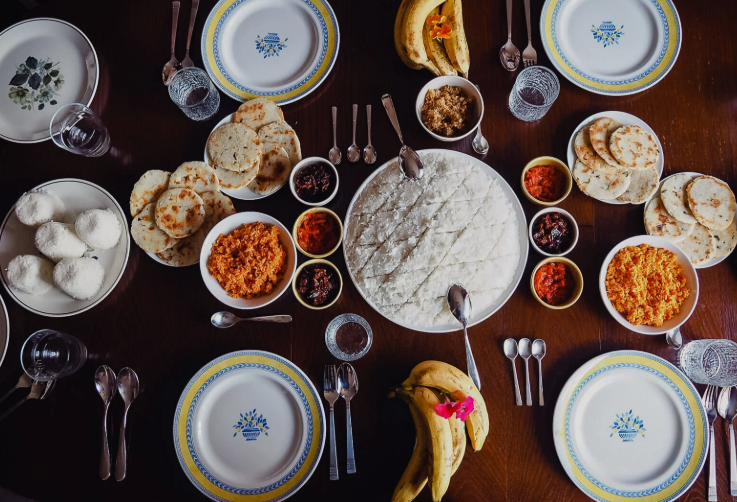
Breakfast in Sri Lanka can be very different from the toast, cereal, pastries and coffee commonly served in many Western countries.
A traditional Sri Lankan breakfast is often warm, savory and surprisingly substantial. Rice, coconut, lentils, flatbreads, curries and sambols can all appear on the table before the day has properly begun.
For visitors, this can be one of the most interesting parts of discovering Sri Lankan cuisine.
You may start one morning with string hoppers and dhal curry, try coconut roti the next day, and then discover milk rice served with spicy lunu miris at a local restaurant.
Hotels tend to provide international breakfast buffets, but travelers who want to understand Sri Lankan food culture should make time for at least one traditional local breakfast.
This guide covers 15 Sri Lankan breakfast foods worth trying in 2026, together with typical accompaniments and approximate price guidance.
Prices vary by location and restaurant type, so the figures below are best treated as general planning ranges.
1. String Hoppers
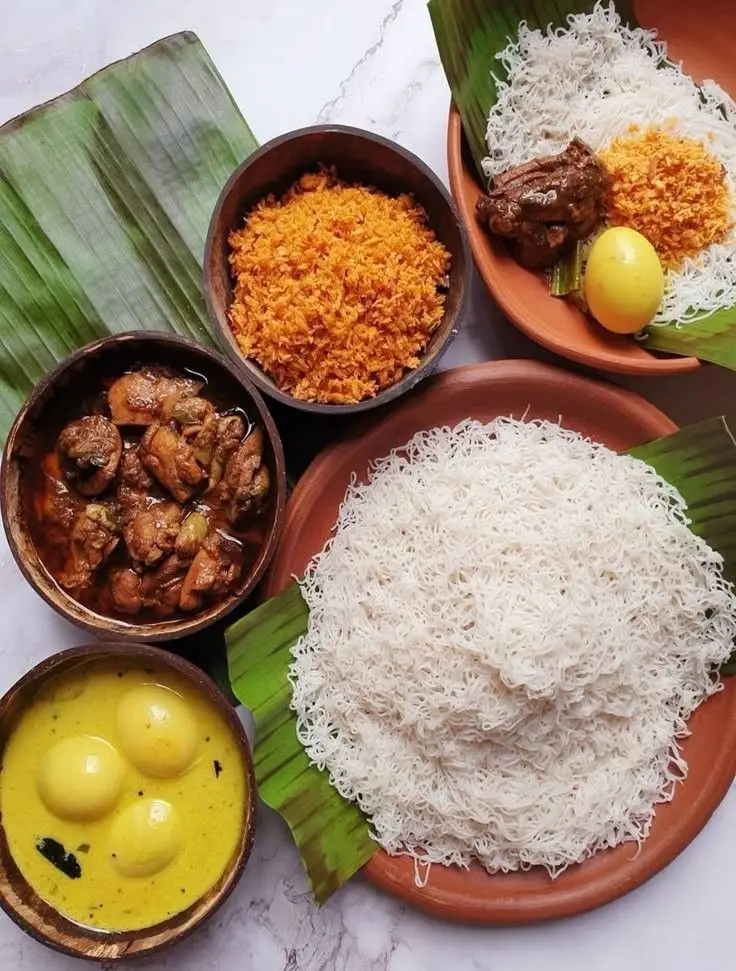
String hoppers, or indi appa, are one of Sri Lanka’s most recognizable breakfast foods.
They are prepared by pressing rice-flour dough through a special mould to create very thin noodle-like strands.
These strands are arranged into small circular portions and steamed.
The result is light, soft and ideal for absorbing curry.
What Are String Hoppers Served With?
Common accompaniments include:
- Dhal curry
- Coconut sambol
- Kiri hodi
- Potato curry
- Fish curry
- Chicken curry
A simple vegetarian breakfast may contain several string hoppers with dhal and coconut sambol.
A more substantial meal may add fish or chicken curry.
Approximate Price
A full string-hopper breakfast may cost around LKR 500–1,500 at casual local restaurants.
Hotels and tourist restaurants can charge considerably more.
2. Hoppers
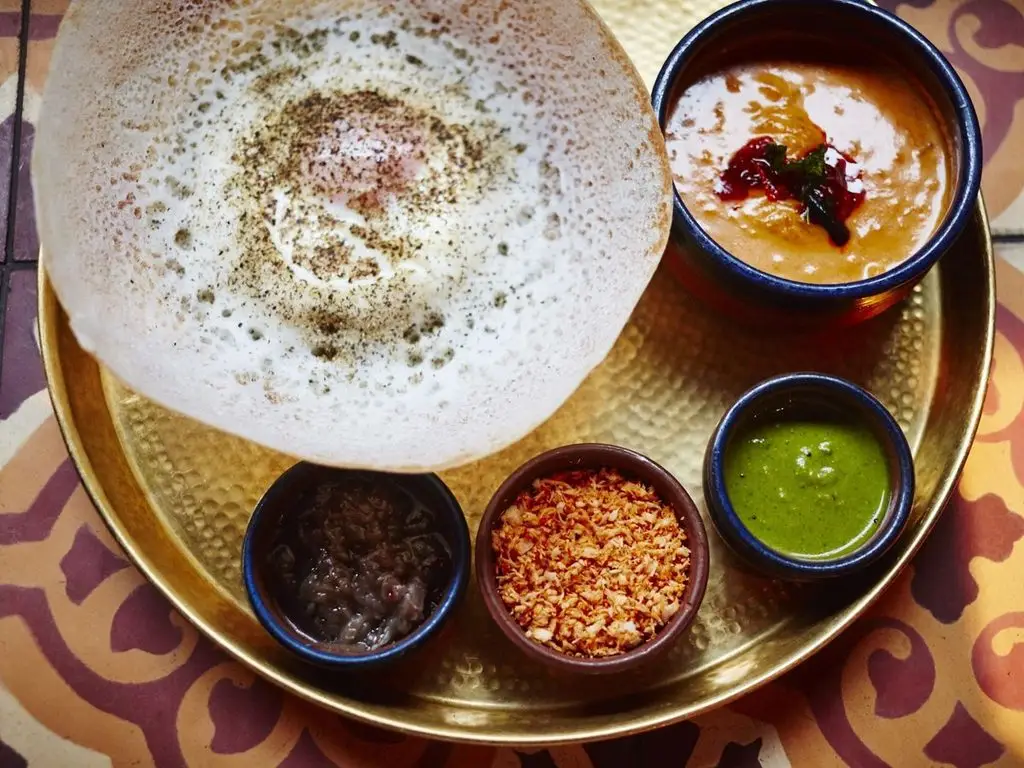
Hoppers, known locally as appa, are bowl-shaped pancakes made from fermented rice-flour batter.
They are cooked individually in a small rounded pan.
The outer edge becomes thin and crispy while the centre remains softer.
This contrast in texture makes hoppers one of the country’s most distinctive foods.
Plain Hoppers
Plain hoppers are usually eaten with sambol or curry.
Approximate Price
Around LKR 60–150 per hopper at many local establishments.
Several hoppers are normally ordered together.
3. Egg Hoppers
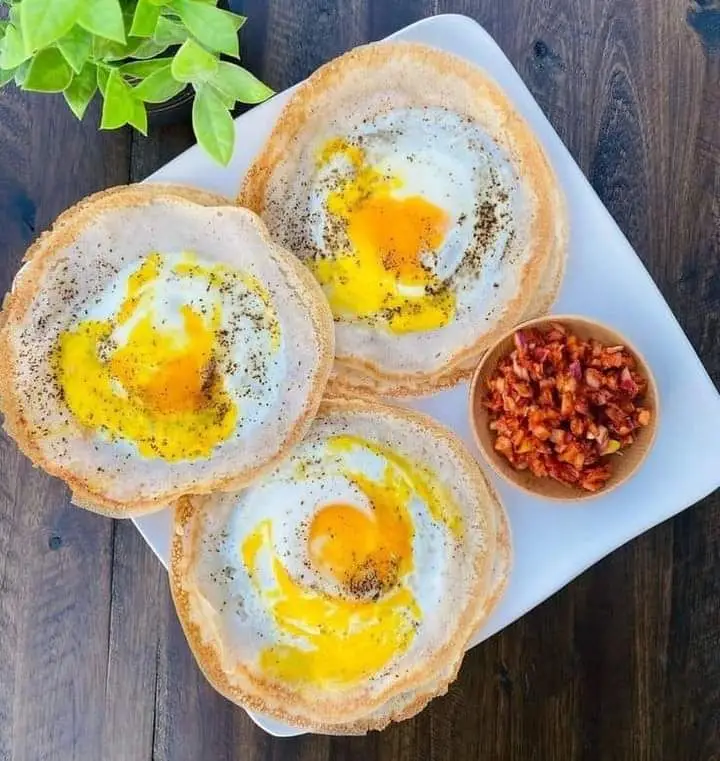
An egg hopper begins with the same batter as a plain hopper, but an egg is cracked into the middle while it cooks.
The egg adds richness and turns a simple hopper into a more filling breakfast.
Black pepper may be sprinkled over the top.
What to Eat With Egg Hoppers
Egg hoppers work particularly well with:
- Lunu miris
- Seeni sambol
- Coconut sambol
- Dhal curry
Approximate Price
Around LKR 150–350 each, depending on the restaurant.
4. Kiribath
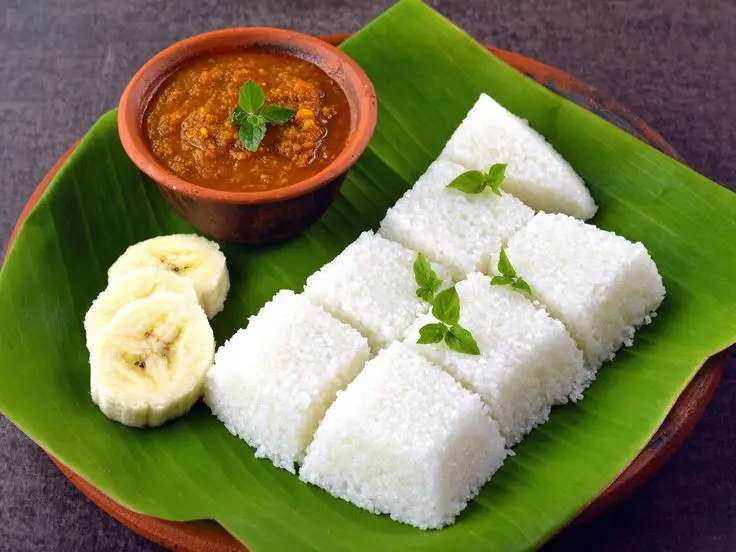
Kiribath, or Sri Lankan milk rice, has an important place in local culture.
Rice is cooked with coconut milk until rich and creamy, then spread out and cut into diamond or square-shaped pieces.
Kiribath is eaten for breakfast but is also strongly associated with celebrations, New Year festivities, birthdays and important beginnings.
What Is Kiribath Served With?
One of the classic accompaniments is lunu miris, a spicy mixture usually made with onion, chili and other seasonings.
It may also be eaten with:
- Seeni sambol
- Fish curry
- Chicken curry
- Jaggery
Approximate Price
A simple serving may cost around LKR 400–1,000, depending on the accompaniments.
5. Pol Roti
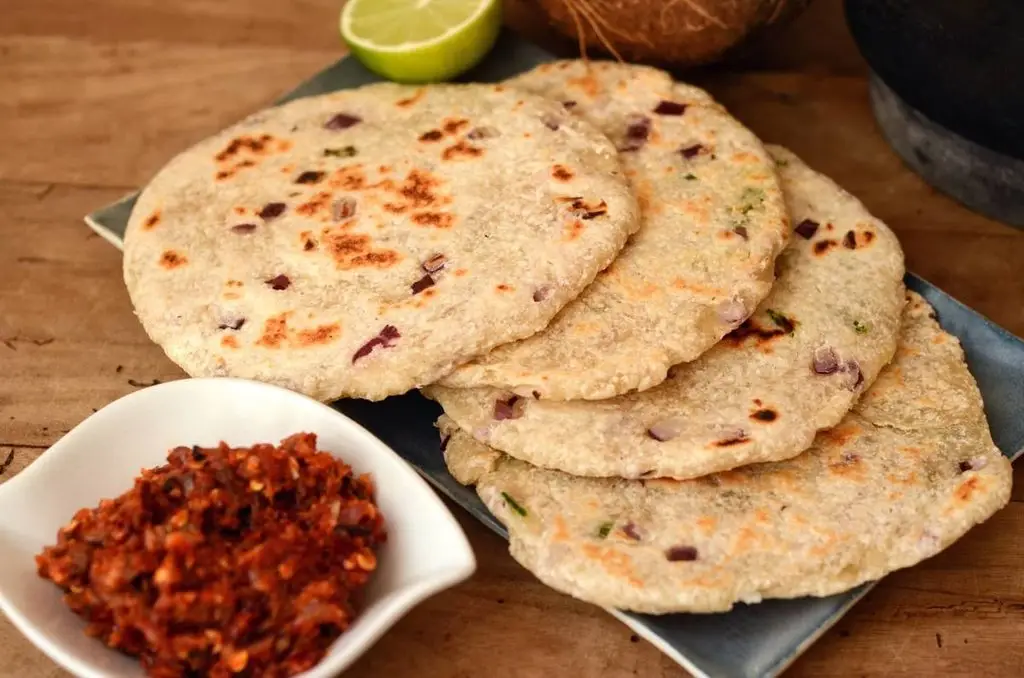
Pol roti is a traditional Sri Lankan coconut flatbread.
Fresh grated coconut is mixed into the dough before the roti is cooked on a hot surface.
The result is thicker and more substantial than the thin godamba roti used for kottu.
Popular Accompaniments
Pol roti is commonly served with:
- Lunu miris
- Coconut sambol
- Dhal
- Fish curry
- Chicken curry
For travelers planning a long morning of sightseeing, pol roti can be a particularly filling breakfast.
Approximate Price
Around LKR 100–300 per roti, with curries charged separately in many places.
A full breakfast may cost approximately LKR 500–1,500.
6. Dhal Curry
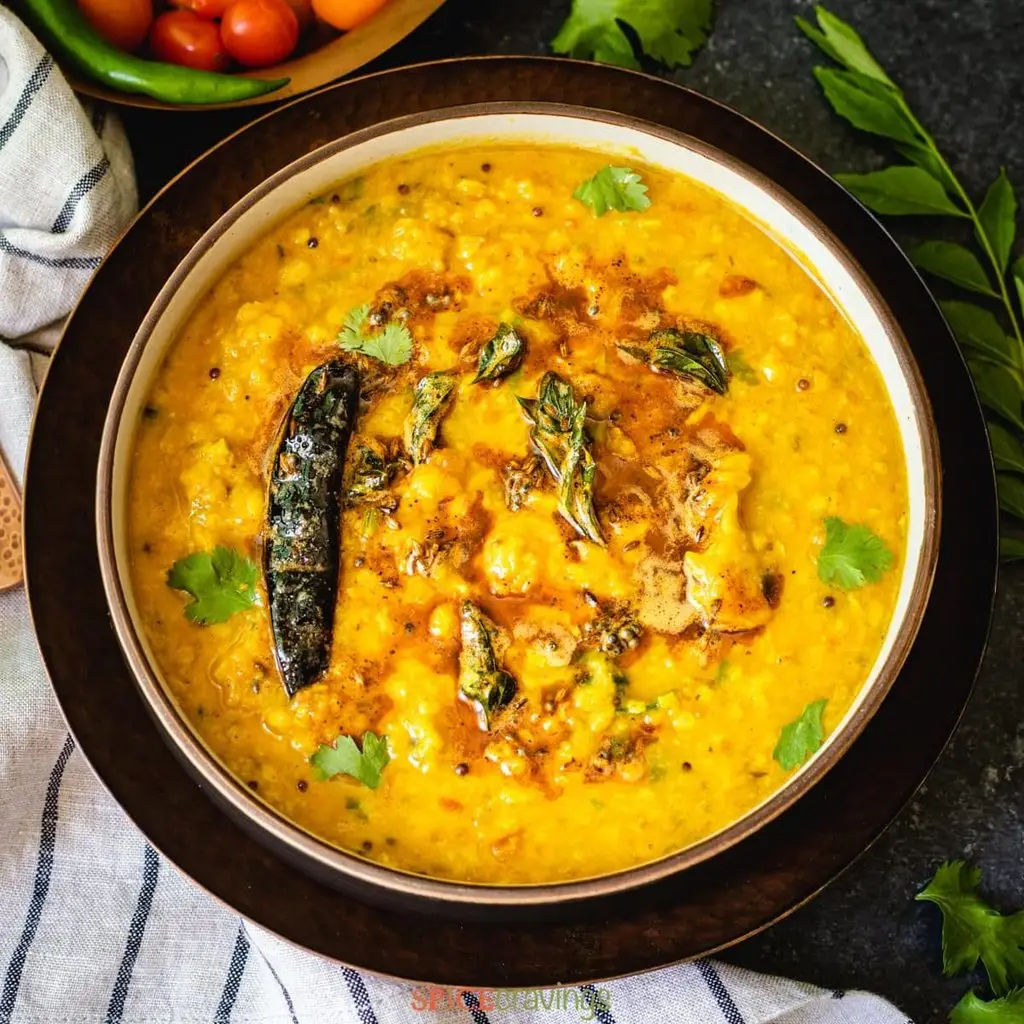
Dhal curry is one of the most common dishes on a Sri Lankan breakfast table.
It is generally made from lentils cooked with spices and coconut milk.
The texture can range from fairly thick to more liquid depending on the recipe.
Although dhal is simple, it is extremely versatile.
It accompanies:
- String hoppers
- Hoppers
- Roti
- Bread
- Rice
It is also naturally suitable for many vegetarian diets.
Approximate Price
Dhal usually forms part of a meal rather than being ordered alone.
A local breakfast containing dhal may typically fall in the LKR 400–1,200 range.
7. Coconut Sambol
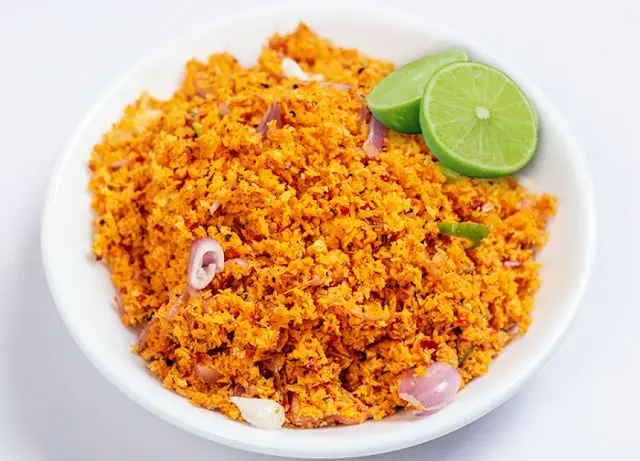
Coconut sambol, or pol sambol, is one of the foundations of Sri Lankan cuisine.
Freshly grated coconut is combined with chili, onion, lime and seasoning.
Recipes vary between households and restaurants.
Some versions are fiery while others are relatively mild.
What Is It Served With?
Coconut sambol can accompany:
- String hoppers
- Hoppers
- Pol roti
- Bread
- Rice
Its freshness and acidity help balance heavier curries.
8. Lunu Miris
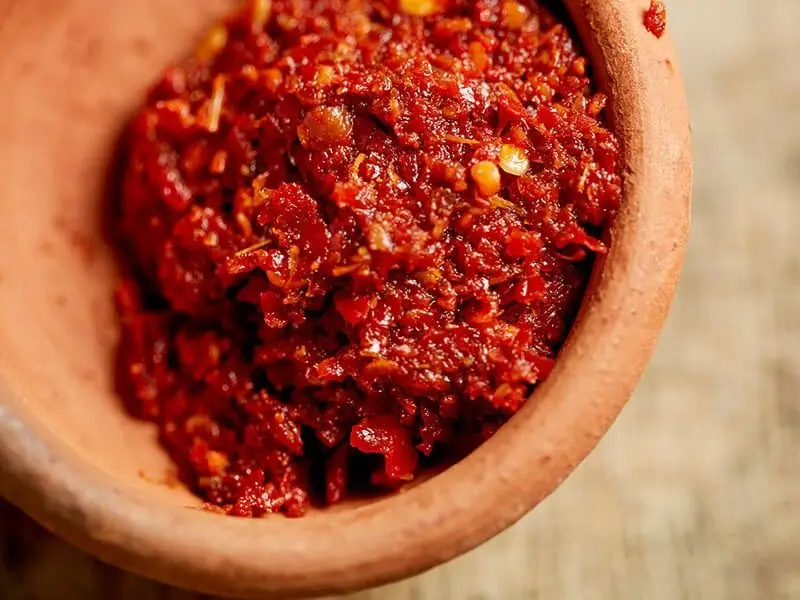
Lunu miris is another essential breakfast condiment.
It is usually made with onion, chili, salt and lime, although recipes can vary.
The flavor is stronger and sharper than coconut sambol.
Best With
Lunu miris is particularly famous as an accompaniment to:
- Kiribath
- Hoppers
- Pol roti
Visitors who are sensitive to spicy food should try a small amount first.
9. Seeni Sambol
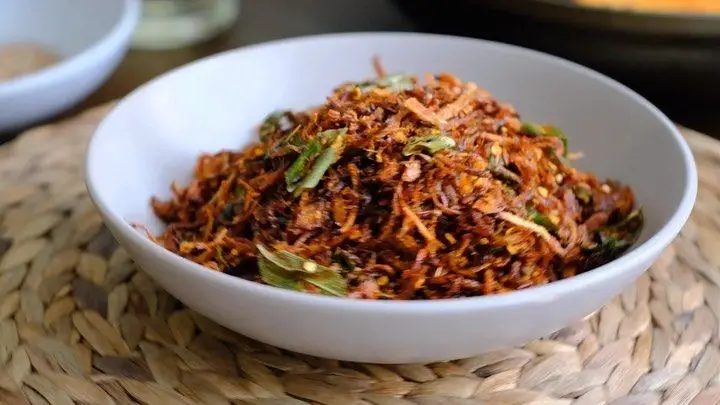
Seeni sambol is a sweet and savory onion relish.
Onions are slowly cooked with spices until soft and richly flavored.
The sweetness helps balance chili and spice.
Popular Breakfast Combinations
Seeni sambol works particularly well with:
- Bread
- Kiribath
- Hoppers
- Roti
It is also commonly used as a filling in bakery products.
10. Pittu
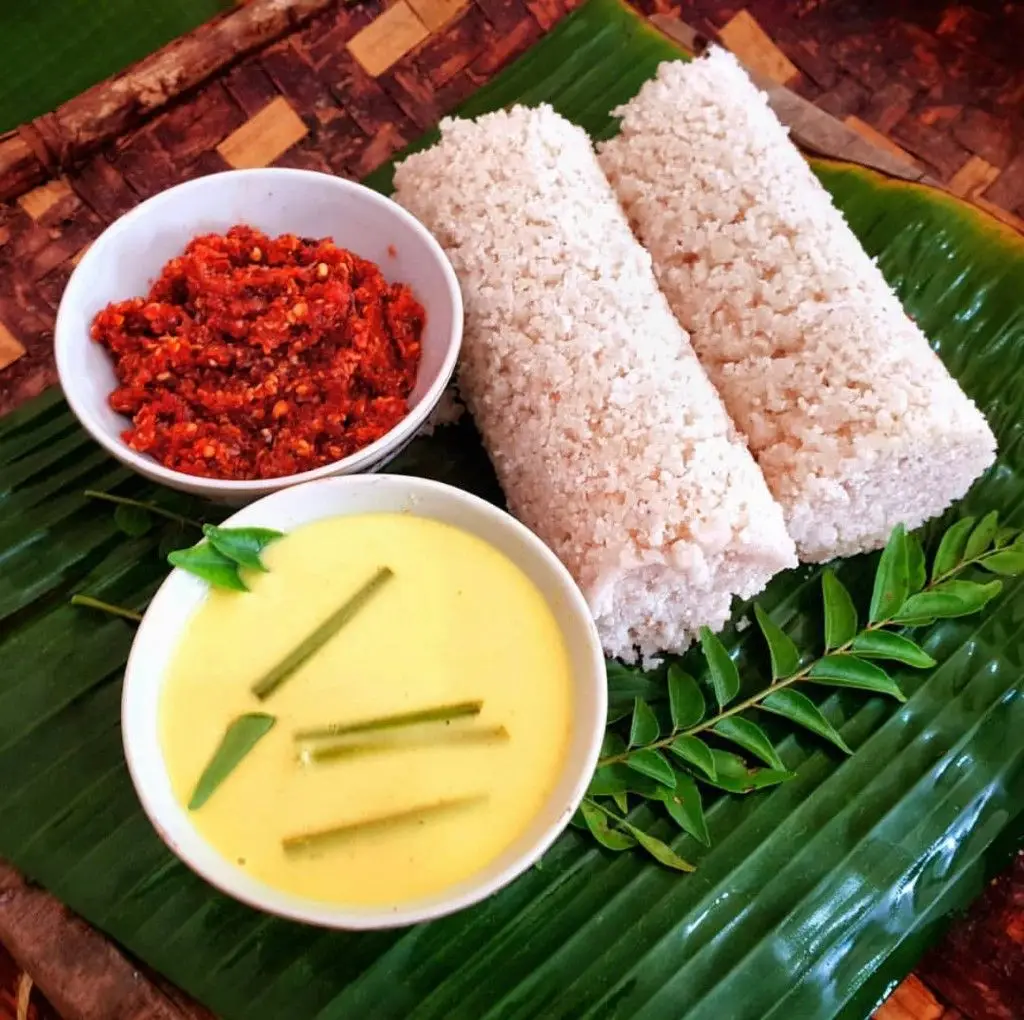
Pittu is another traditional breakfast dish made primarily from rice flour and grated coconut.
The mixture is steamed inside a cylindrical mould, producing a crumbly but moist texture.
Pittu can be surprisingly filling.
What Is Pittu Served With?
Typical accompaniments include:
- Coconut milk
- Dhal curry
- Fish curry
- Chicken curry
- Coconut sambol
Approximate Price
A pittu breakfast may cost around LKR 500–1,500 at casual restaurants.
11. Roast Paan
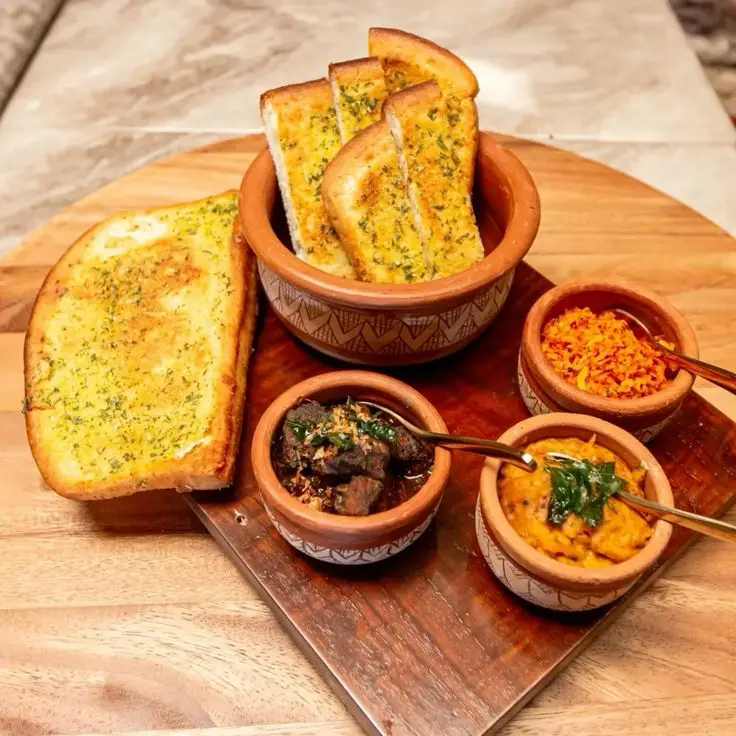
Roast paan is a crusty Sri Lankan bread that is particularly popular for breakfast and evening meals.
Its firmer outer crust gives it a different texture from ordinary sliced bread.
What Do Sri Lankans Eat With Roast Paan?
Popular combinations include:
- Dhal curry
- Coconut sambol
- Seeni sambol
- Fish curry
- Potato curry
It is simple, inexpensive and very satisfying.
Approximate Price
A basic roast-paan meal can often be found for around LKR 400–1,200, depending on the curries ordered.
12. Chickpeas
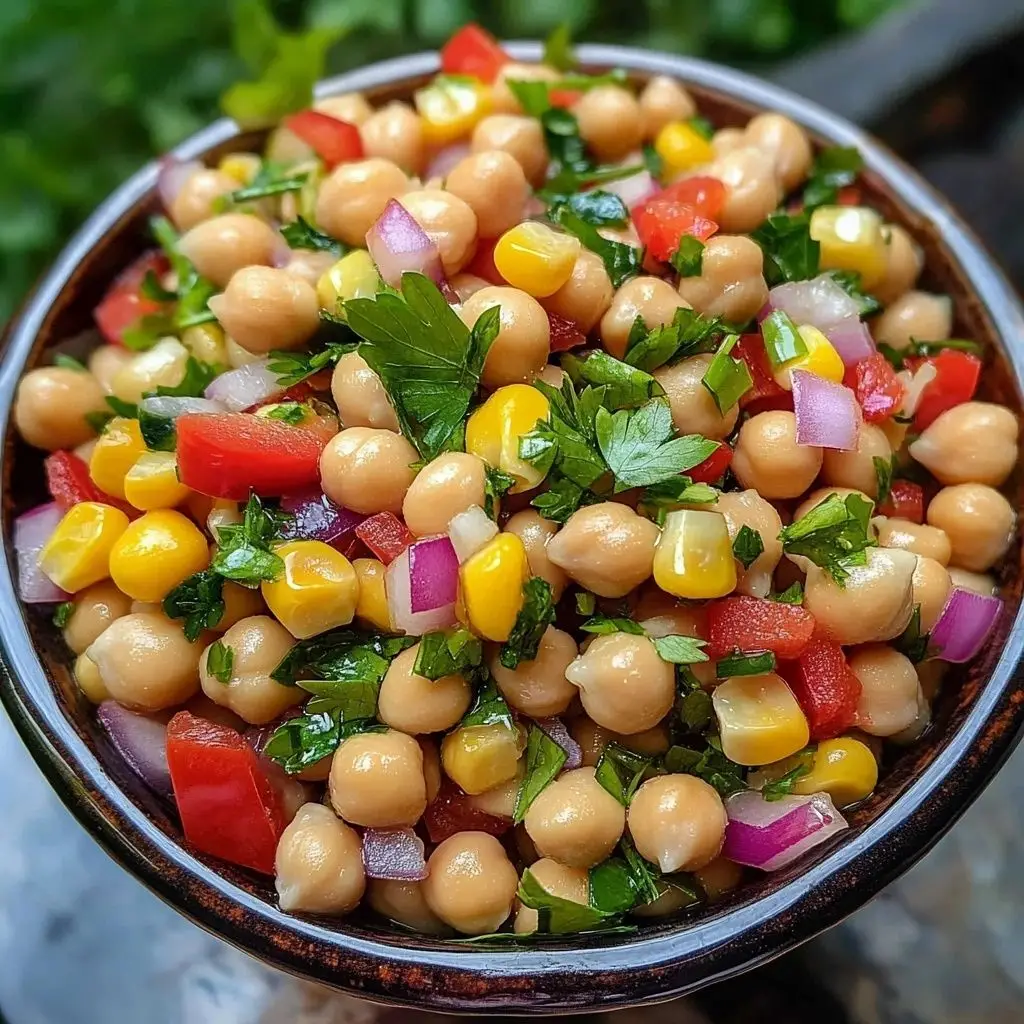
Boiled chickpeas are another common local breakfast and snack.
They may be tossed with coconut, chili, onion and spices.
This is a relatively simple meal but can be filling and high in plant-based protein.
Approximate Price
A serving may cost approximately LKR 200–600 from local vendors and cafés.
13. Mung Beans
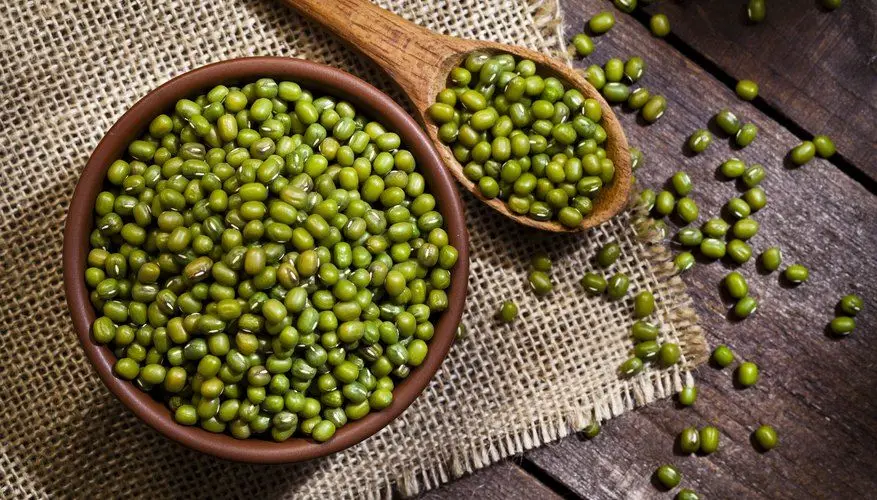
Mung beans are another traditional breakfast option, particularly in households.
They are boiled until tender and can be served with coconut and spicy accompaniments.
Compared with fried breakfast foods, boiled mung beans offer a lighter option.
Approximate Price
A simple serving may cost around LKR 250–700, depending on where it is purchased.
14. Manioc
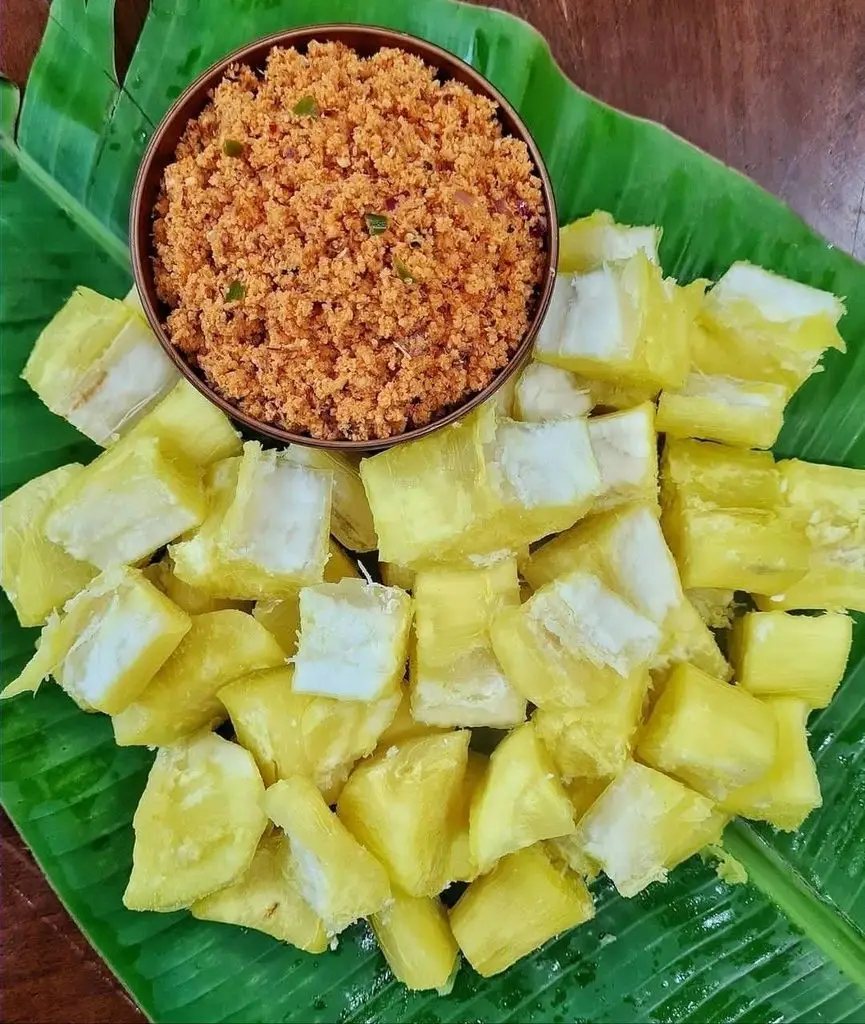
Boiled manioc, or cassava, is another traditional Sri Lankan food that can be eaten in the morning.
It is usually served simply, often with grated coconut or spicy sambol.
The flavor is mild, making the accompaniments especially important.
Approximate Price
Around LKR 300–800 per serving.
It may be more commonly found in traditional or home-style eateries than in tourist cafés.
15. Fish Curry
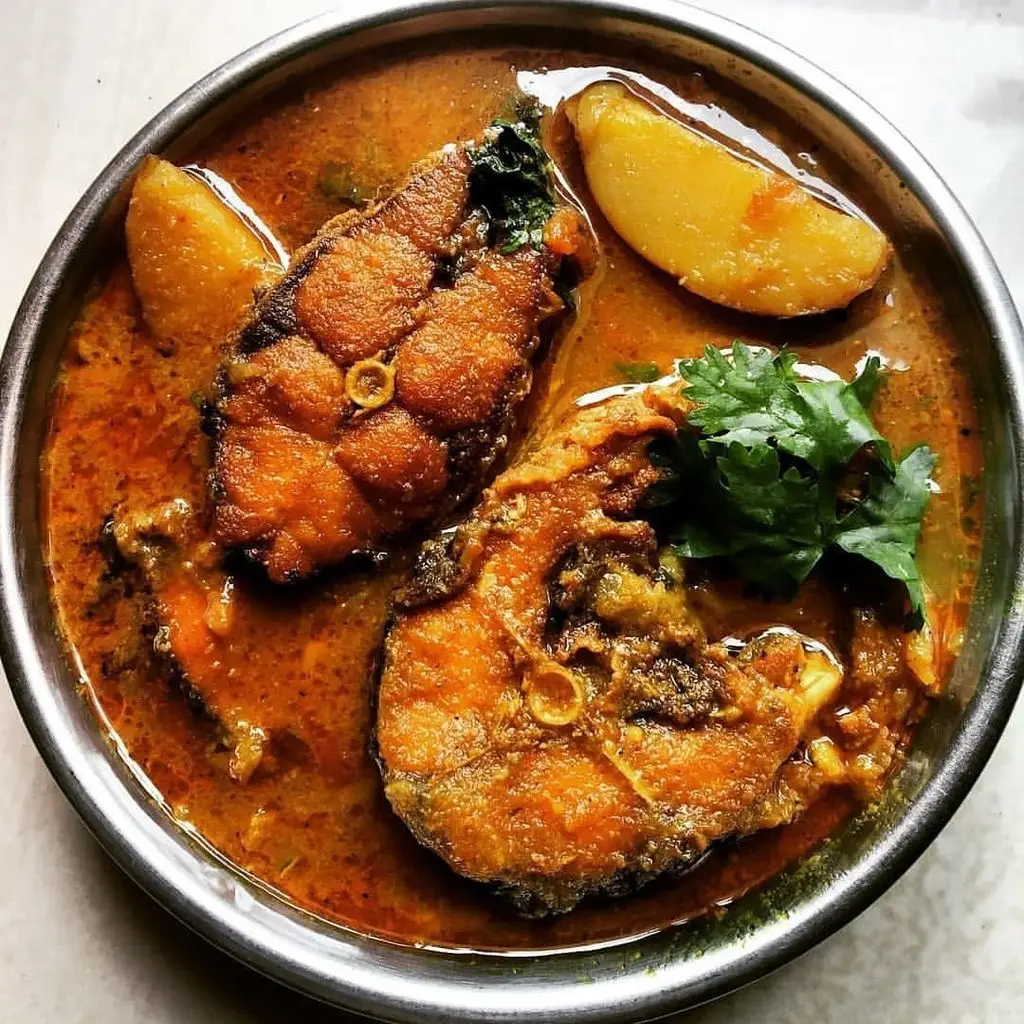
Although international visitors may not immediately associate fish curry with breakfast, it is a normal accompaniment to several Sri Lankan morning dishes.
Fish curry can be served with:
- String hoppers
- Pittu
- Bread
- Pol roti
- Rice
Recipes differ significantly between regions.
Northern, southern and coastal styles can have noticeably different spice profiles.
Approximate Price
Adding fish curry to a breakfast can push the total meal price to around LKR 700–2,000+, depending on the type of fish and restaurant.
Typical Sri Lankan Breakfast Prices in 2026
Budget travelers can still enjoy traditional breakfasts without spending heavily.
A practical price guide is:
| Breakfast Item | Approximate Price |
|---|---|
| Plain Hopper | LKR 60–150 |
| Egg Hopper | LKR 150–350 |
| Pol Roti | LKR 100–300 |
| Kiribath Serving | LKR 400–1,000 |
| String Hopper Meal | LKR 500–1,500 |
| Pittu Breakfast | LKR 500–1,500 |
| Roast Paan Meal | LKR 400–1,200 |
| Chickpea Serving | LKR 200–600 |
| Mung Bean Serving | LKR 250–700 |
| Manioc Serving | LKR 300–800 |
| Breakfast With Fish Curry | LKR 700–2,000+ |
Restaurant location makes a major difference.
A small local restaurant may charge much less than a café in Ella, Mirissa, Sigiriya or another heavily visited tourist area.
Luxury hotels can charge significantly more, especially when breakfast is served as a large buffet.
What Is a Typical Sri Lankan Breakfast Combination?
There is no single breakfast served everywhere in the country.
Different households and regions have their own habits.
However, several combinations are particularly common.
String Hoppers Breakfast
A typical plate may contain:
- String hoppers
- Dhal curry
- Coconut sambol
- Kiri hodi
- Fish or chicken curry
Hopper Breakfast
You might order:
- Two or three plain hoppers
- One egg hopper
- Lunu miris
- Curry
Pol Roti Breakfast
A filling combination could include:
- Two pol roti
- Dhal curry
- Lunu miris
- Fish curry
Kiribath Breakfast
A traditional serving may simply combine:
- Kiribath
- Lunu miris
Despite having only two main components, the combination delivers a strong contrast between creamy coconut rice and spicy onion sambol.
Where Can Travelers Find Traditional Sri Lankan Breakfast?
Traditional breakfast is available in most major destinations.
Colombo
Colombo provides everything from simple neighborhood eateries to premium hotel buffets.
If authenticity and value matter more than presentation, look beyond major hotels and try established local restaurants.
Kandy
Kandy is an excellent place for string hoppers, hoppers, vegetarian meals and bakery breakfasts.
Jaffna
Breakfast in Jaffna can include strong Tamil culinary influences, including dosai, idli, wade and other northern dishes.
Galle and the South
Southern Sri Lanka provides excellent traditional breakfast options, especially in local guesthouses and family-operated restaurants.
Ella
Ella has many cafés serving Western breakfasts, but traditional Sri Lankan breakfast is also widely available at guesthouses and local restaurants.
Sigiriya
Guesthouses and small restaurants around Sigiriya often offer generous Sri Lankan breakfast spreads containing fruit, hoppers, roti, curries and sambols.
Is Sri Lankan Breakfast Vegetarian-Friendly?
Yes.
Sri Lankan breakfast can be especially convenient for vegetarians.
Common vegetarian dishes include:
- String hoppers
- Plain hoppers
- Pol roti
- Kiribath
- Pittu
- Dhal curry
- Coconut sambol
- Lunu miris
- Chickpeas
- Mung beans
- Manioc
Strict vegetarians and vegans should still ask about ingredients.
Egg hoppers obviously contain egg, while some sambols or curries may occasionally include ingredients that are not suitable for every diet.
Is Sri Lankan Breakfast Spicy?
Some parts can be very spicy, while others are extremely mild.
String hoppers, hoppers, pittu, kiribath and roti themselves are generally mild.
The spice usually comes from:
- Lunu miris
- Coconut sambol
- Fish curry
- Chicken curry
- Chili-based relishes
This makes Sri Lankan breakfast relatively easy to customize.
If you do not enjoy spicy food, take less sambol and choose milder curries.
Sri Lankan Breakfast vs Hotel Breakfast
International hotels in Sri Lanka commonly provide breakfast buffets with:
- Eggs
- Toast
- Sausages
- Cereal
- Fruit
- Pastries
- Coffee
- Tea
Many also include a smaller Sri Lankan section.
However, a local restaurant or guesthouse breakfast can provide a more authentic experience.
Instead of sampling ten unrelated buffet items, you can enjoy dishes that were specifically designed to complement one another.
For food-focused travelers, it is worth trying both.
Frequently Asked Questions
What is a traditional Sri Lankan breakfast?
String hoppers, hoppers, kiribath, pol roti, pittu, dhal curry and sambols are among the most traditional breakfast foods in Sri Lanka.
What is the most popular Sri Lankan breakfast?
There is no single national favorite, but string hoppers with dhal and coconut sambol are among the most widely recognized traditional breakfast combinations.
What should tourists try for breakfast in Sri Lanka?
A good first meal would be string hoppers with dhal curry and coconut sambol, followed by an egg hopper or kiribath on another morning.
Is Sri Lankan breakfast expensive?
Local breakfast is generally affordable. Many basic meals can cost roughly LKR 500–1,500, although tourist restaurants and hotels can charge substantially more.
Are hoppers eaten for breakfast?
Yes. Hoppers are commonly eaten for breakfast and dinner.
What is the difference between hoppers and string hoppers?
Hoppers are bowl-shaped pancakes made from fermented batter. String hoppers are steamed nests of very thin rice-flour noodles.
Is Sri Lankan breakfast suitable for vegans?
Many dishes can be vegan, including string hoppers, pol roti, dhal curry and coconut sambol. However, travelers should confirm individual ingredients with the restaurant.
Final Thoughts
Trying a traditional Sri Lankan breakfast is one of the easiest ways to experience the country’s food culture.
The meal does not need to be complicated.
A few string hoppers, dhal curry and freshly prepared coconut sambol can be more memorable than a large international hotel buffet.
What makes Sri Lankan breakfast special is the combination of textures and flavors: soft string hoppers, crispy hopper edges, creamy coconut milk, earthy lentils, fresh coconut and sharp chili sambols.
If you are traveling around Sri Lanka, try different breakfasts in different regions rather than ordering the same meal every morning.
You may find that breakfast becomes one of your favorite parts of Sri Lankan cuisine.
For more Sri Lankan restaurant guides, menus, food prices and dining information, visit Menueka.com.