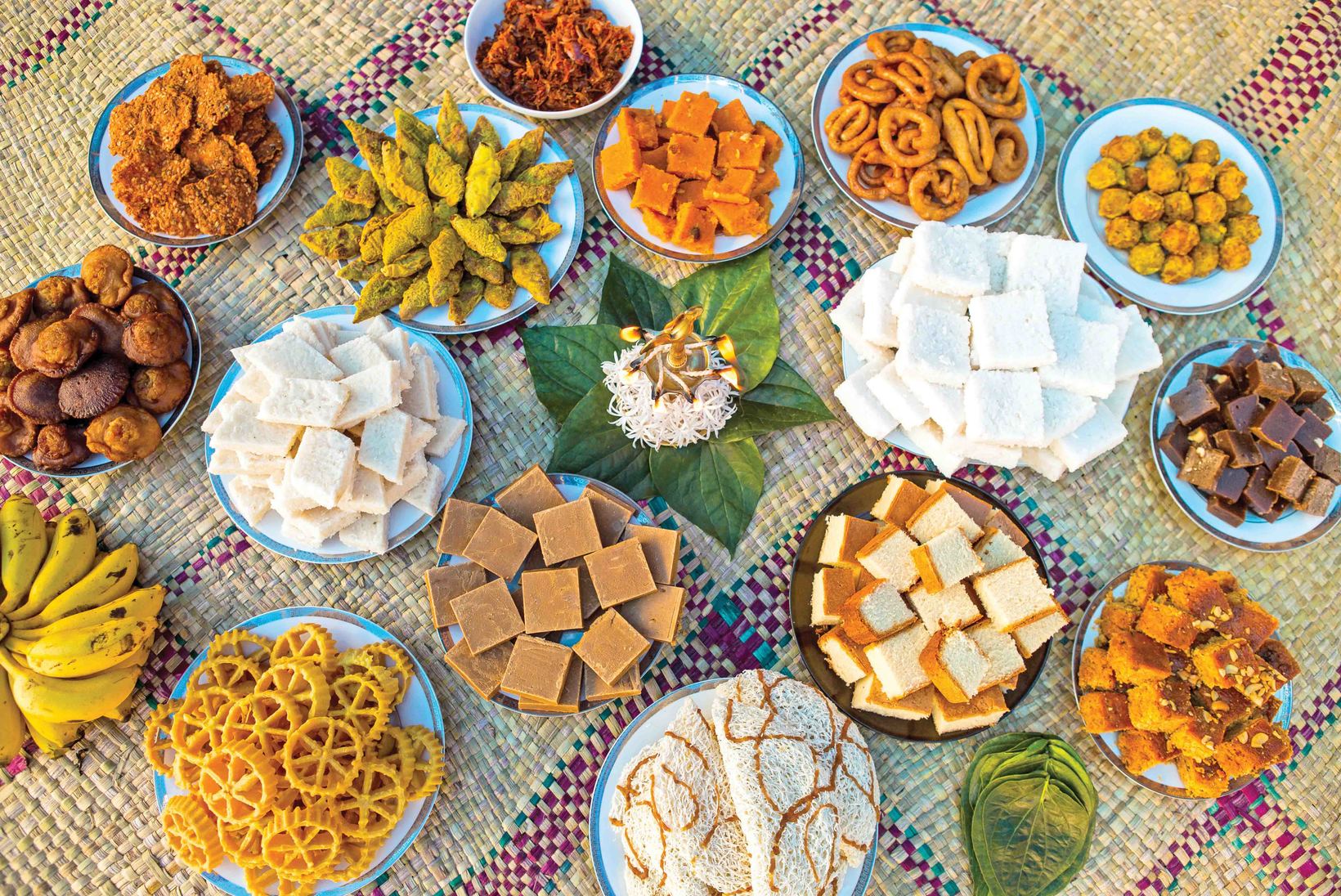
Sri Lanka is famous for its aromatic curries, fresh seafood, spicy street food and tropical fruits. However, the country’s traditional desserts and sweets deserve just as much attention.
From creamy coconut puddings to crispy festival snacks, Sri Lankan desserts reflect centuries of culinary traditions influenced by local ingredients, regional cultures and celebrations.
Coconut milk, rice flour, jaggery, treacle, cardamom and tropical fruits appear frequently in traditional recipes. These ingredients create desserts with distinctive flavors and textures that are different from many Western sweets.
Some desserts are served after meals at restaurants, while others are closely associated with the Sinhala and Tamil New Year, weddings, religious celebrations and family gatherings.
If you’re visiting Sri Lanka or exploring local cuisine, trying traditional sweets is an excellent way to experience the country’s food culture.
In this guide, we’ll explore 15 traditional Sri Lankan desserts and sweets, what makes each one special, where you might find them and how much they may cost in 2026.
Note: All prices are approximate planning estimates, not verified current restaurant menu prices. Actual prices vary by portion size, location, ingredients and seller.
1. Watalappan – Sri Lanka’s Famous Coconut Custard
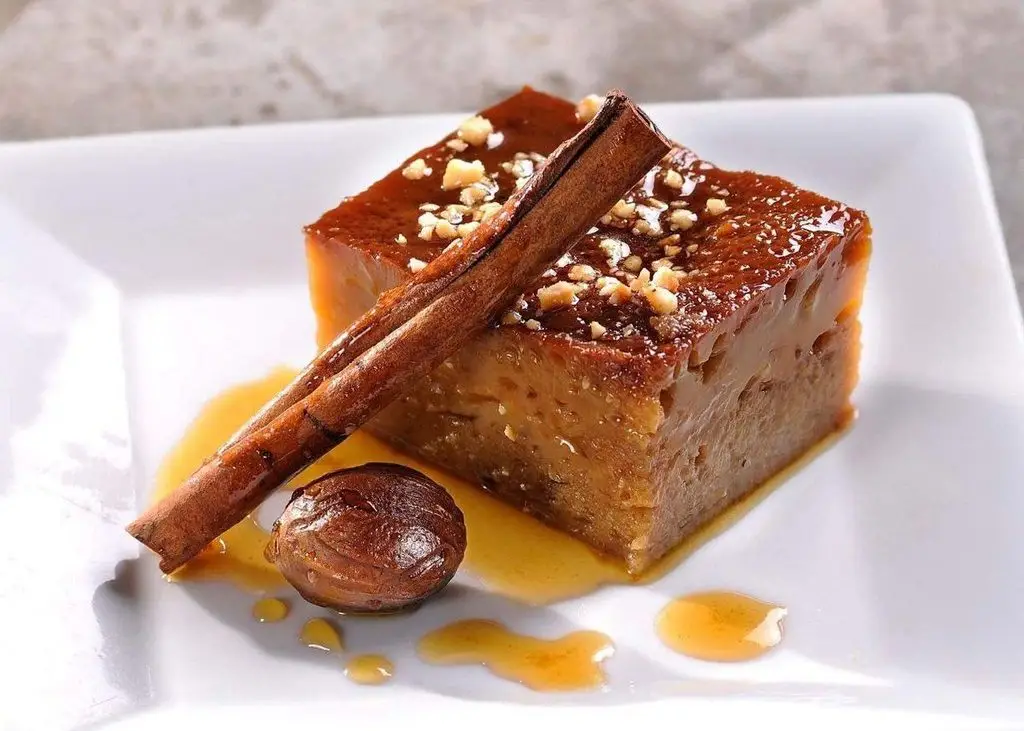
Watalappan is one of Sri Lanka’s most beloved traditional desserts.
This rich steamed custard is particularly associated with Sri Lankan Muslim culinary traditions and is now enjoyed by communities throughout the country.
What Is Watalappan Made From?
Traditional recipes commonly include:
- Coconut milk
- Kithul jaggery or other jaggery
- Eggs
- Cardamom
- Nutmeg
- Cashew nuts
The ingredients are mixed and gently steamed until the custard sets.
The result is a smooth, rich dessert with caramel-like sweetness and aromatic spices.
What Makes It Special?
Unlike ordinary custard, watalappan develops its distinctive flavor from jaggery and coconut milk.
It is commonly served chilled, sometimes topped with chopped cashew nuts.
Estimated 2026 Price
LKR 350–1,000 per serving
Premium restaurants and hotels may charge more.
Where to Try It
Watalappan can be found at many Sri Lankan restaurants, hotel buffets, sweet shops and special celebrations.
2. Curd and Treacle – A Classic Sri Lankan Dessert
Curd and treacle is one of the simplest yet most satisfying desserts in Sri Lanka.
The dish combines thick buffalo milk curd with sweet treacle, traditionally made from kithul palm sap.
Why Is It Popular?
The slightly sour taste of curd balances the sweetness of treacle beautifully.
The dessert is particularly associated with southern Sri Lanka, including areas around Tissamaharama and the Hambantota District.
Estimated 2026 Price
LKR 350–1,000 per serving
Best Time to Enjoy
Curd and treacle is an excellent dessert after a spicy rice-and-curry meal.
It is also popular as a refreshing afternoon treat.
3. Kavum – Traditional Sri Lankan Oil Cakes
Kavum is one of the most recognizable sweets prepared during the Sinhala and Tamil New Year.
These golden-brown oil cakes are made using rice flour and a sweetener such as treacle or jaggery.
The mixture is deep-fried until it develops a firm outer layer and soft interior.
Popular Varieties
Konda Kavum: Recognizable by the raised centre that resembles a small peak.
Athirasa: A flatter traditional sweet made using rice flour and treacle or jaggery.
Estimated 2026 Price
LKR 100–300 per piece
Where to Find It
Kavum is especially common during the April New Year season, although traditional sweet shops may sell it at other times.
4. Kokis – Crispy Sri Lankan Festival Sweets
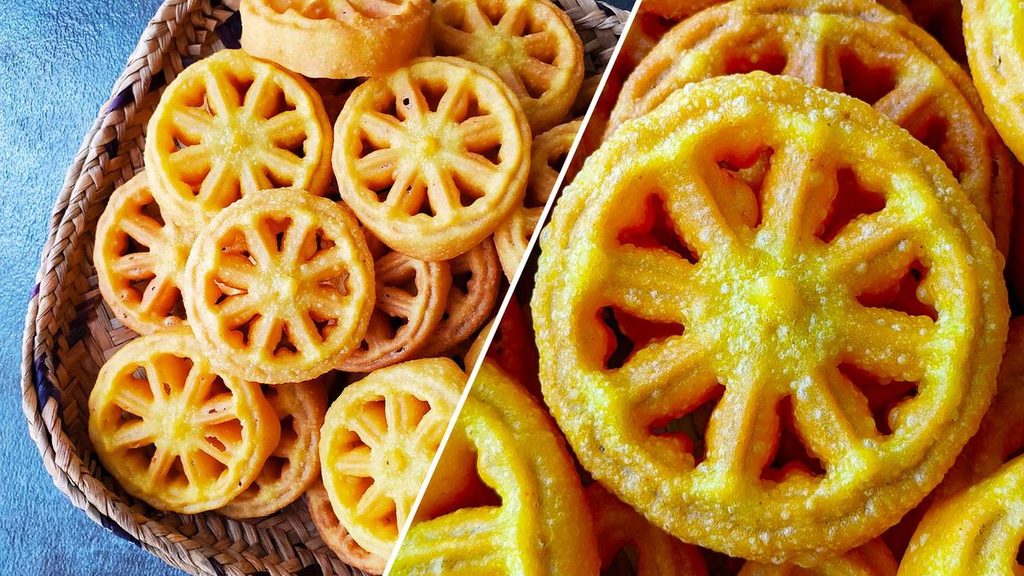
Kokis is another traditional sweet strongly associated with New Year celebrations.
Unlike soft desserts, kokis is light, crispy and delicately shaped.
It is prepared by dipping a decorative metal mould into a rice-flour and coconut-milk batter before frying.
What Makes Kokis Unique?
Its intricate shape is one of its defining features.
The thin, crispy texture makes it particularly enjoyable with a cup of Ceylon tea.
Estimated 2026 Price
LKR 80–250 per piece
Kokis is commonly sold in packets or assorted traditional sweet boxes.
5. Aluwa – A Traditional Sri Lankan Sweet
Aluwa is a popular traditional sweet often prepared for celebrations.
It is generally made using roasted rice flour, sugar or treacle, and flavorings such as cardamom.
The mixture is shaped and cut into pieces, often diamonds.
Taste and Texture
Aluwa has a dense, crumbly texture and a sweet, aromatic flavor.
Some recipes include cashew nuts or other additions.
Estimated 2026 Price
LKR 100–300 per piece
Best Occasion
Aluwa is particularly common during New Year celebrations and family gatherings.
6. Aasmi – A Delicate Traditional Sweet
Aasmi is one of Sri Lanka’s more unusual traditional sweets.
It is prepared by pouring a thin batter into hot oil in delicate strands, creating a light, lace-like structure.
The finished sweet is often decorated with colored sugar syrup.
What Makes Aasmi Different?
Its appearance is unlike most other Sri Lankan sweets.
Aasmi is airy, crispy and visually distinctive, making it popular on traditional celebration tables.
Estimated 2026 Price
LKR 200–600 per piece
Larger, carefully decorated pieces may cost more.
7. Mung Kavum – Sweet Mung Bean Pastries
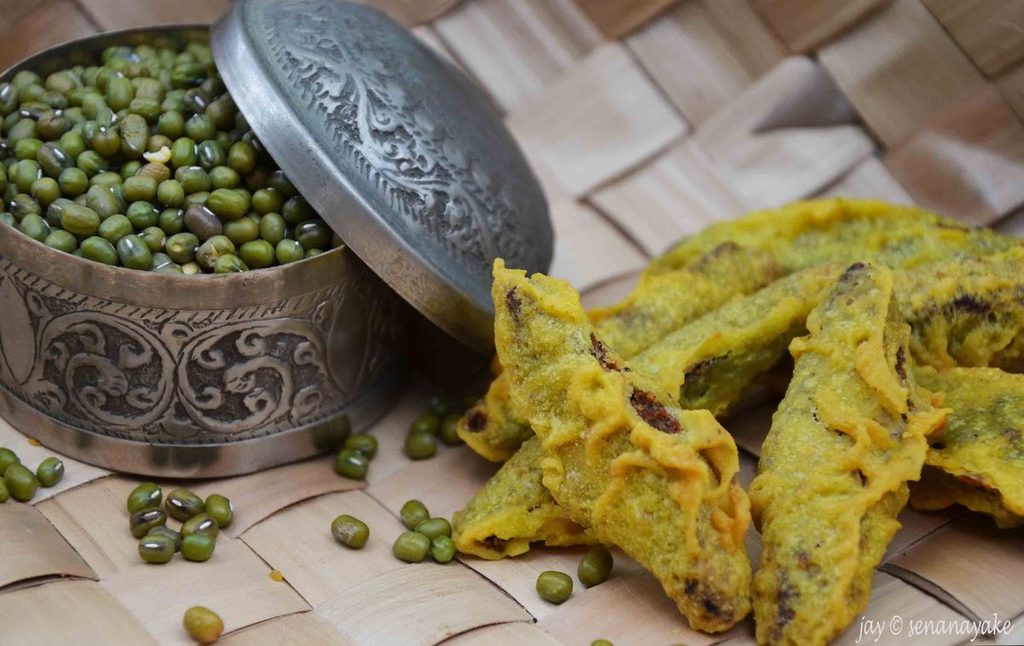
Mung kavum, also called mung kevum in some spellings, is a traditional sweet made using mung beans and sweeteners.
The filling is wrapped or coated in batter and deep-fried.
Flavor and Texture
Mung kavum combines a sweet, slightly earthy filling with a crisp outer layer.
It is especially popular among people who enjoy traditional sweets that are not overly creamy.
Estimated 2026 Price
LKR 100–300 per piece
Where to Find It
Traditional sweet shops, New Year markets and local bakeries may sell mung kavum.
8. Kalu Dodol – A Rich Coconut Sweet
Kalu dodol is one of Sri Lanka’s most famous traditional sweets.
This dark, sticky confection is made by slowly cooking coconut milk, rice flour and jaggery or treacle.
The mixture requires continuous stirring until it becomes thick and glossy.
Why Is It Famous?
Kalu dodol has a rich caramel-like flavor and dense texture.
It is strongly associated with southern Sri Lanka, particularly Hambantota.
Estimated 2026 Price
LKR 400–1,200 for a small packaged portion, depending on weight and ingredients.
Travel Tip
Packaged kalu dodol can make a convenient food souvenir, but check the ingredients, packaging and storage instructions before purchasing.
9. Bibikkan – Sri Lankan Coconut Cake
Bibikkan is a traditional Sri Lankan cake made with coconut, jaggery or treacle, and aromatic spices.
Unlike a light sponge cake, bibikkan has a dense, moist texture.
Common Ingredients
- Grated coconut
- Jaggery or treacle
- Semolina or flour
- Cardamom
- Cinnamon
- Cashew nuts
- Dried fruit in some recipes
Why Try It?
Bibikkan combines the richness of coconut with warm spices and natural sweetness.
It is particularly enjoyable with tea.
Estimated 2026 Price
LKR 250–700 per slice
10. Pani Walalu – Sweet Syrup-Coated Spirals
Pani walalu, also known as undu walalu, is a traditional sweet made using a batter containing urad dal and other ingredients.
The batter is piped into hot oil in circular or spiral shapes and then soaked in sweet syrup.
Taste and Texture
Pani walalu is crispy on the outside but becomes sweet and syrupy after soaking.
Its sweetness makes it particularly popular with people who enjoy rich desserts.
Estimated 2026 Price
LKR 150–400 per piece
11. Lavariya – Sweet Stuffed String Hoppers
Lavariya is a traditional sweet made using string-hopper-style rice-flour strands wrapped around a filling.
The filling commonly contains grated coconut and jaggery or treacle.
The parcels are then steamed.
Why Is Lavariya Special?
Lavariya combines the familiar texture of string hoppers with a sweet coconut filling.
It is suitable as a breakfast treat, afternoon snack or dessert.
Estimated 2026 Price
LKR 150–400 per piece
12. Helapa – A Traditional Leaf-Wrapped Sweet
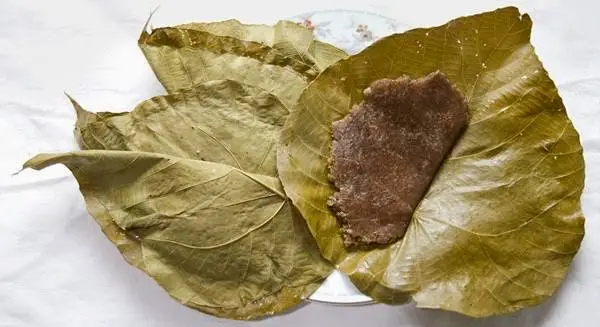
Helapa is a traditional Sri Lankan sweet made using flour, coconut and jaggery.
The mixture is wrapped in leaves, commonly kenda leaves, and steamed.
What Makes It Unique?
The leaf wrapping contributes to the traditional preparation and gives the sweet its distinctive presentation.
Helapa is chewy, filling and pleasantly sweet.
Estimated 2026 Price
LKR 150–400 per piece
Where to Try It
Helapa is more commonly encountered at traditional food shops, village markets and roadside eateries than at international-style restaurants.
13. Aggala – Sweet Rice-Flour Balls
Aggala is a traditional sweet snack prepared using roasted rice flour and a sweetener such as treacle or jaggery.
The ingredients are mixed and shaped into small balls.
Some recipes include coconut or spices.
Taste and Texture
Aggala is compact, slightly crumbly and filling.
It is traditionally enjoyed as a snack rather than a plated restaurant dessert.
Estimated 2026 Price
LKR 100–300 per piece
14. Milk Toffee – A Popular Sri Lankan Sweet
Milk toffee is a familiar treat at Sri Lankan celebrations, sweet shops and family gatherings.
It is usually made by cooking condensed milk and sugar until the mixture thickens.
Cashew nuts and vanilla may be added.
Why Is It Popular?
Milk toffee is relatively easy to package, share and serve at celebrations.
It has a rich, sweet flavor and firm but slightly crumbly texture.
Estimated 2026 Price
LKR 80–250 per piece
15. Sri Lankan Fruit Salad with Ice Cream
Although fruit salad with ice cream is not an ancient ceremonial sweet, it has become a familiar dessert at Sri Lankan restaurants, cafés and family gatherings.
Sri Lanka’s tropical climate makes fresh fruit widely available.
Common Fruits
- Papaya
- Pineapple
- Banana
- Mango
- Watermelon
- Other seasonal fruits
The fruit may be served with vanilla ice cream, syrup or jelly.
Estimated 2026 Price
LKR 500–1,500 per serving
Why Try It?
This is an excellent option for visitors who prefer a lighter, fruit-based dessert after a substantial meal.
Sri Lankan Dessert Prices in 2026
The following table provides a convenient comparison of approximate prices.
| Dessert or Sweet | Estimated Price |
|---|---|
| Watalappan | LKR 350–1,000 |
| Curd and Treacle | LKR 350–1,000 |
| Kavum | LKR 100–300 |
| Kokis | LKR 80–250 |
| Aluwa | LKR 100–300 |
| Aasmi | LKR 200–600 |
| Mung Kavum | LKR 100–300 |
| Kalu Dodol | LKR 400–1,200 per small pack |
| Bibikkan | LKR 250–700 per slice |
| Pani Walalu | LKR 150–400 |
| Lavariya | LKR 150–400 |
| Helapa | LKR 150–400 |
| Aggala | LKR 100–300 |
| Milk Toffee | LKR 80–250 |
| Fruit Salad with Ice Cream | LKR 500–1,500 |
These are illustrative 2026 budget estimates, not confirmed current prices from specific sellers.
Sri Lankan New Year Sweets: What Makes Them Special?
The Sinhala and Tamil New Year, celebrated in April, is one of the most important occasions for traditional sweets in Sri Lanka.
Families prepare special foods, visit relatives and share festive meals.
A traditional New Year sweet table may include:
- Kavum
- Kokis
- Aluwa
- Mung kavum
- Aasmi
- Pani walalu
- Aggala
- Kiribath
The preparation of these foods often brings family members together.
Recipes may be passed down through generations, with each household developing its own preferred ingredients and techniques.
For visitors traveling in Sri Lanka during April, tasting New Year sweets can provide a memorable introduction to local culture.
Where to Buy Traditional Sri Lankan Sweets
Traditional desserts are available throughout Sri Lanka, but the best place to buy them depends on the type of sweet.
Colombo
Colombo offers traditional sweet shops, bakeries, supermarkets, restaurants and hotel dessert counters.
Watalappan, milk toffee, curd and treacle, and assorted traditional sweets can be relatively easy to find.
Kandy
Kandy is a good destination for exploring traditional sweet shops and local food markets.
Visitors may find kavum, aluwa, kokis and other traditional snacks, especially around festive periods.
Galle and the Southern Province
Southern Sri Lanka is particularly associated with coconut-based sweets and curd with treacle.
Local sweet shops and markets are worth exploring.
Hambantota
Hambantota has a strong association with kalu dodol.
Travelers exploring southern Sri Lanka may encounter packaged dodol sold at roadside shops and markets.
Jaffna
Jaffna has its own distinctive sweet traditions influenced by Tamil cuisine.
Visitors may encounter sweets such as laddu, halwa and other preparations alongside wider Sri Lankan favorites.
Which Sri Lankan Desserts Are Best for Tourists?
First-time visitors may find some traditional sweets more approachable than others.
Best Creamy Dessert
Watalappan is a strong choice for visitors who enjoy custard, caramel and aromatic spices.
Best Refreshing Dessert
Curd and treacle offers a pleasant balance of sweetness and tanginess.
Best Crispy Sweet
Kokis is ideal for those who enjoy light, crunchy snacks.
Best Traditional Coconut Sweet
Kalu dodol is worth trying for its rich flavor and unusual texture.
Best Sweet with Tea
Bibikkan pairs well with a cup of Ceylon tea.
Best Festival Sweet
Kavum is one of the most recognizable traditional New Year foods.
Are Sri Lankan Desserts Vegetarian or Vegan?
Many Sri Lankan sweets use plant-based ingredients such as rice flour, coconut milk and jaggery.
However, not all are vegan.
Watalappan traditionally contains eggs, while milk toffee contains dairy.
Some sweets may also contain butter, condensed milk or other animal-derived ingredients.
Strict vegetarians and vegans should check with the seller before purchasing.
People with allergies should also ask about coconut, cashews, peanuts, dairy and eggs, as ingredients and preparation methods vary.
How to Choose Fresh Traditional Sweets
When purchasing sweets from markets or roadside vendors, freshness is important.
Choose shops with regular customer traffic and properly covered food displays.
For packaged sweets, check the manufacturing date, expiry date and storage instructions where available.
Creamy desserts such as watalappan and curd should be stored appropriately and served fresh.
Dryer sweets such as kokis, aluwa and some packaged confections may have longer shelf lives, but this depends on preparation and packaging.
Frequently Asked Questions
What is the most famous Sri Lankan dessert?
Watalappan and curd with treacle are among Sri Lanka’s most recognizable traditional desserts. Kalu dodol is also widely known.
What are traditional Sri Lankan sweets?
Traditional Sri Lankan sweets include kavum, kokis, aluwa, aasmi, mung kavum, pani walalu, aggala and kalu dodol.
What desserts should tourists try in Sri Lanka?
Watalappan, curd and treacle, kalu dodol, bibikkan and milk toffee are excellent starting points.
What sweets are eaten during the Sinhala and Tamil New Year?
Kavum, kokis, aluwa, mung kavum, aasmi and other traditional sweets are commonly prepared for the celebrations.
Is watalappan made from coconut milk?
Yes. Traditional watalappan commonly contains coconut milk, jaggery, eggs and aromatic spices.
Where can I buy Sri Lankan sweets?
Traditional sweet shops, bakeries, local markets, supermarkets and some restaurants sell Sri Lankan sweets. Availability varies by region and season.
Are Sri Lankan desserts expensive?
Many individual traditional sweets are relatively affordable. Premium restaurant desserts and packaged gift assortments can cost more.
Can I take Sri Lankan sweets home as souvenirs?
Some packaged sweets, such as kalu dodol, milk toffee and certain dry traditional sweets, may be suitable for travel. Check storage requirements and your destination country’s food import rules.
Final Thoughts
Sri Lanka’s dessert culture is as diverse as its savory cuisine.
From the creamy richness of watalappan to the crisp texture of kokis and the deep coconut sweetness of kalu dodol, traditional sweets reveal another side of the country’s culinary heritage.
Some are everyday treats, while others hold special significance during family celebrations and religious or cultural festivals.
For visitors, trying these desserts is more than simply satisfying a sweet tooth. It offers an opportunity to experience the ingredients, traditions and regional flavors that make Sri Lankan cuisine distinctive.
Whether you are exploring a traditional sweet shop in Kandy, enjoying curd and treacle in southern Sri Lanka, or ordering watalappan after dinner in Colombo, there is always something new to discover.
For more Sri Lankan restaurant guides, menus, food prices and dining information, visit Menueka.com.